
A disruption to oil flows through the Strait of Hormuz — one of the world’s most critical energy chokepoints — could paradoxically accelerate a sustained decline in global fossil fuel emissions, according to new analysis that is drawing considerable attention across energy and financial markets. The scenario, which envisions a sharp supply shock forcing a faster pivot toward renewables and energy efficiency, would mark a structural inflection point for carbon output as early as 2026. For investors already navigating a volatile commodities landscape, the implications reach well beyond the pump price. As previously covered on The Fiscalist, concerns around Chevron oil demand have been mounting alongside wider trade uncertainty, setting the stage for exactly the kind of demand recalibration that analysts now say a supply shock could accelerate.
The analysis, reported by TheStreet economics desk, argues that a sustained interruption to Hormuz traffic — through which roughly 20 percent of global oil supply passes daily — would push crude prices sharply higher, potentially beyond levels seen during previous Gulf crises. At those price levels, the economic incentive to switch toward cleaner and domestically sourced alternatives would intensify substantially, compressing demand for oil in ways that policy alone has struggled to achieve.

Why a Supply Shock Could Do What Climate Policy Has Not
For decades, policymakers have attempted to engineer a decline in fossil fuel consumption through carbon pricing, subsidies for electric vehicles, and renewable energy mandates. Progress has been real but uneven, with global emissions reaching record highs as recently as 2023. A price shock, by contrast, operates through immediate market incentives, affecting industrial consumers, utilities, and transportation sectors simultaneously and without the legislative lag that plagues regulatory approaches.
The theory draws on historical precedent. The oil shocks of 1973 and 1979 each triggered lasting reductions in per-capita energy consumption across developed economies, accelerated investment in nuclear and alternative energy, and fundamentally altered the fuel efficiency standards applied to automobiles. Analysts suggest a 2025 or 2026 Hormuz disruption — whether triggered by geopolitical escalation or military conflict — could produce a comparable structural response, this time in a market already primed by falling solar and wind costs. In Europe and parts of Asia, grid-scale renewable capacity has expanded to the point where a sustained fossil fuel price spike would make switching economics compelling for major industrial buyers within months, not years. The compounding pressure of levies energy costs on corporate margins has already pushed many firms to accelerate efficiency investments, meaning the demand response to higher oil prices could arrive faster than historical models would predict.
Market Positioning and the Emissions Turning Point
Financial markets have begun to price in elements of this scenario, though with considerable uncertainty. Energy equity valuations for major integrated oil producers have lagged broader indices over the past 18 months, reflecting investor skepticism about the medium-term demand outlook rather than near-term production capacity. Bond markets, meanwhile, have absorbed a steady flow of green and transition-linked issuance, suggesting institutional capital is already repositioning ahead of what many see as an inevitable structural demand peak for crude.
The emissions angle is perhaps the most counterintuitive element of the analysis. Conventional thinking holds that oil supply shocks are inflationary and damaging to climate goals, as higher prices can prompt a return to coal in power generation and delay the retirement of older, less efficient industrial equipment. The current research challenges that assumption, arguing that the renewable energy and battery storage infrastructure now in place — particularly across Europe, China, and the United States — provides a credible and increasingly cost-competitive alternative that was not available during previous supply crises.
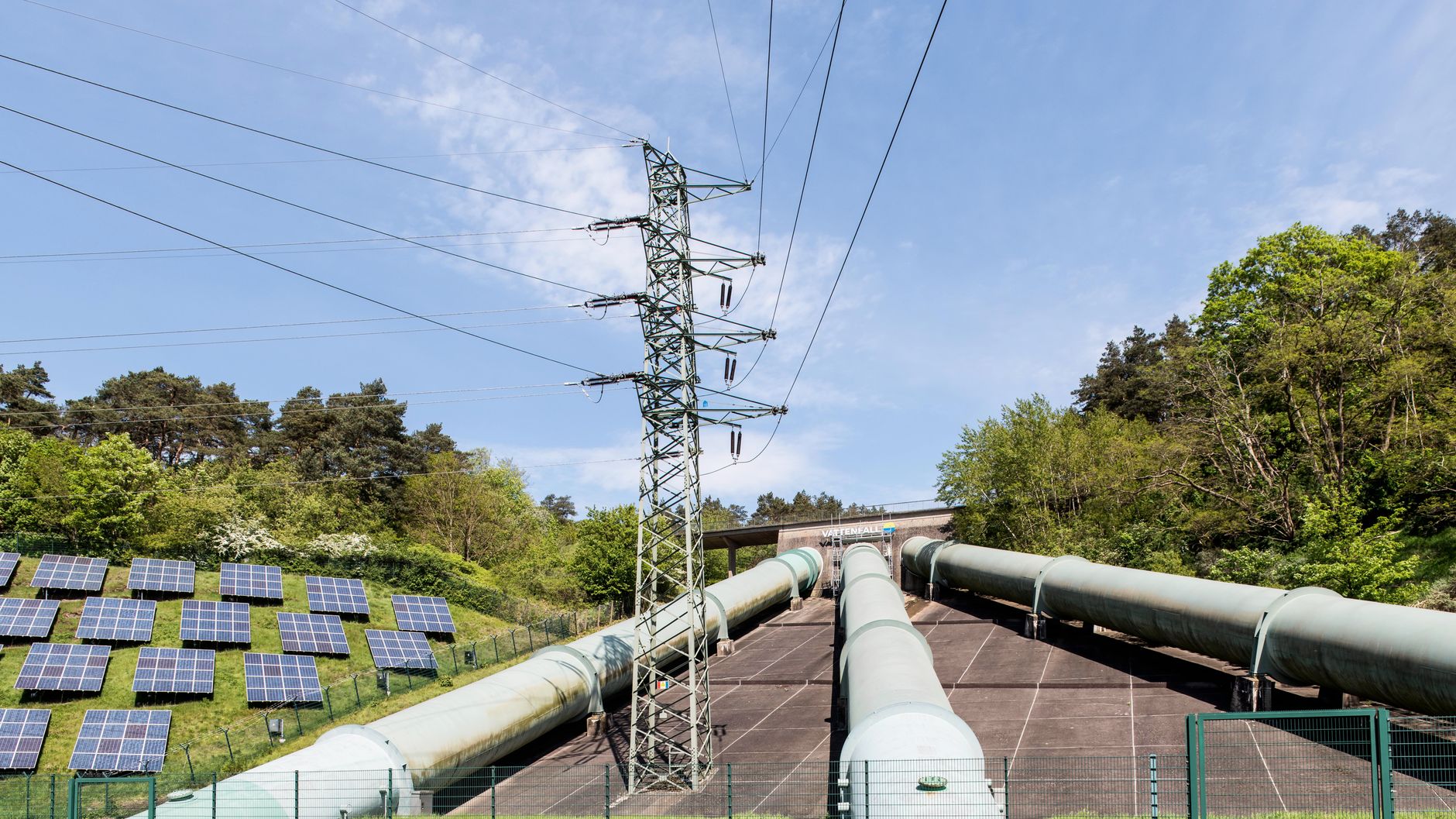
If the turning point materialises, 2026 could emerge as the year in which fossil fuel emissions begin a sustained structural decline rather than a cyclical dip. That would represent a significant acceleration beyond the timelines embedded in most institutional climate models, which have tended to project peak emissions in the late 2020s under optimistic policy scenarios. For financial market participants, the scenario underscores the urgency of reassessing asset allocation assumptions that treat continued fossil fuel demand growth as a baseline rather than a risk.
Whether a Hormuz shock is ultimately the catalyst that tips the balance, or whether cleaner energy economics and evolving policy frameworks achieve the same result more gradually, the direction of travel appears increasingly clear to analysts tracking the intersection of geopolitics and energy transition. The question for investors is not whether fossil fuel demand will peak, but how abruptly and how soon that transition will arrive — and whether portfolios are positioned accordingly.