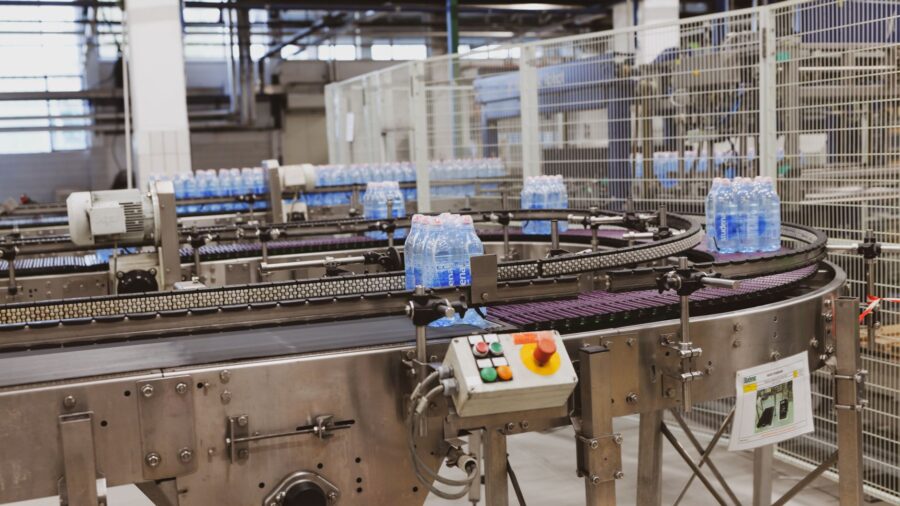
American companies are navigating one of the most punishing cost environments in recent memory, as import tariffs, elevated energy prices, and persistently high interest rates converge to erode margins across industries. Executives and small business owners alike are warning that the cumulative pressure is forcing difficult choices — from raising consumer prices to shelving expansion plans and cutting headcount. The strain has drawn comparisons to the supply-chain upheaval of the early 2020s, though analysts note the current episode carries a distinct and more durable character. With the Federal Reserve rate environment still restrictive, relief does not appear imminent.
CNBC’s reporting, published under the headline ‘It’s awful’: How tariffs, soaring fuel costs and higher interest rates are squeezing American companies, captures the breadth of the damage through direct testimony from business owners and corporate finance officers. The picture that emerges is one of compounding shocks rather than a single discrete disruption — each new cost layer arriving before companies have recovered from the last. Manufacturers, logistics firms, and retailers are among those hit hardest, with some reporting effective cost increases of 15 to 25 percent on imported inputs compared with two years ago, according to the CNBC report.
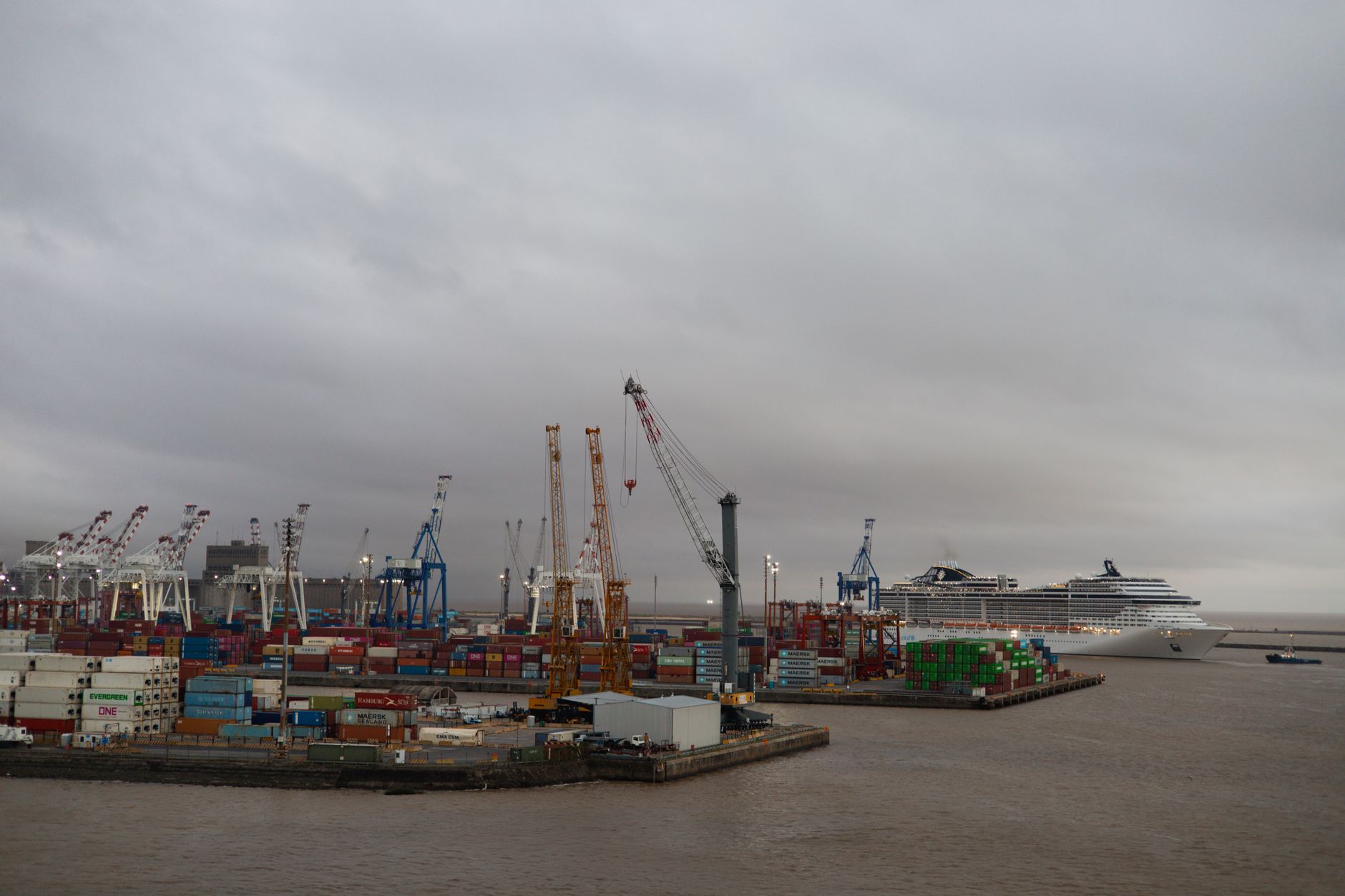
Tariffs and Energy Costs Drive Up the Price of Doing Business
Broad-based tariffs on goods imported from key trading partners have added a significant fixed cost to supply chains that many companies spent years optimising for efficiency. Businesses that rely on steel, aluminium, electronics components, or consumer goods manufactured abroad now face import duty bills that, in several cases, have outpaced annual profit growth. For mid-sized manufacturers operating on margins of 5 to 8 percent, a tariff-driven cost increase of even 3 to 4 percentage points on core inputs can be the difference between viability and loss.
Energy costs have compounded the problem. Diesel prices, which directly affect freight, logistics, and agricultural operations, have climbed sharply, with industry trackers noting national average prices hovering near multi-year highs heading into the autumn. Heating oil and natural gas costs relevant to industrial production have followed a similar trajectory. Trucking companies have been among the most vocal about the squeeze, with several regional carriers reporting that fuel now constitutes upward of 35 percent of their total operating costs — a threshold that makes route profitability difficult to sustain without meaningful rate increases passed on to shippers and, ultimately, consumers. The oil market pressures originating from geopolitical disruption in the Middle East have added a layer of uncertainty to any forward planning around energy procurement.
Elevated Borrowing Costs Choke Investment and Liquidity
Beyond tariffs and fuel, elevated interest rates have introduced a third and structurally significant cost dimension. Businesses carrying variable-rate debt have seen their interest expenses rise materially since the Federal Reserve began its tightening cycle, and refinancing activity at current rate levels has proved costly for companies that locked in cheap capital during the low-rate era. Commercial lending rates for small and mid-sized businesses now frequently exceed 8 to 9 percent, levels that make borrowing for inventory, equipment, or real estate expansion economically marginal for many operators.

The liquidity pinch is particularly acute for smaller enterprises. Unlike large corporations with access to bond markets or the leverage to renegotiate supplier contracts, independent businesses typically absorb cost increases through their own working capital. Several owners quoted in the CNBC coverage describe cutting staff hours, delaying equipment purchases, and renegotiating lease terms as short-term coping measures — none of which address the underlying structural cost problem. Economists warn that if the triple pressure of tariffs, energy costs, and rates persists into 2027, business investment could contract meaningfully, with downstream effects on employment and consumer spending. For households already managing their own financial pressures — a dynamic explored in The Fiscalist’s coverage of retirement savings shortfalls — a corporate-led slowdown could not come at a worse moment.
The broader question for policymakers is whether any relief mechanism is available in the near term. Tariff policy remains deeply political and shows no signs of reversal. Energy markets are subject to global forces beyond domestic control. And while futures markets have priced in modest Federal Reserve rate reductions by mid-2027, the timeline offers little comfort to businesses struggling with cash flow today. For now, corporate America appears to be absorbing the shocks as best it can — but the margin for error is narrowing with each passing quarter.