
Chevron chief executive Mike Wirth has issued a cautious assessment of the global oil market, warning that economic uncertainty driven by trade policy disruption is beginning to suppress energy demand in ways that could weigh on crude prices through the remainder of 2025. His remarks, reported by Yahoo Finance energy, represent one of the most direct public signals from a major oil company leader about the deteriorating demand environment.
Wirth’s comments arrive at a sensitive moment for global energy markets, where the twin pressures of slowing economic growth and elevated supply from OPEC-plus members have pushed benchmark crude prices lower. Brent crude has traded below $80 per barrel for extended stretches in recent months, a level that analysts note puts meaningful pressure on capital expenditure planning across the sector. As The Fiscalist has previously documented, the combination of import levies, energy costs, and borrowing pressures is already affecting corporate margins across the United States — a dynamic explored in our coverage of the tariff rate squeeze hitting American businesses.
Demand Signals and the Macro Overhang
Wirth acknowledged that global oil demand growth, while still positive on a year-over-year basis, has begun to lose momentum. He pointed to weakness in industrial activity across key consuming regions, including softness in manufacturing output in Asia and subdued freight volumes in Europe, as indicators that the economic cycle is exerting downward pressure on energy consumption. Demand growth forecasts for 2025, which began the year above 1.2 million barrels per day, have been trimmed by several major forecasters including the International Energy Agency.
The Chevron chief was measured but deliberate in connecting macroeconomic policy — particularly the unpredictability of tariff regimes — to real-world energy demand. Businesses facing higher input costs and thinner margins, he noted, tend to scale back operations and reduce their consumption of diesel, jet fuel, and industrial feedstocks. That transmission mechanism from trade policy to energy demand is one that financial markets have been slow to fully price in, according to analysts at several investment banks.
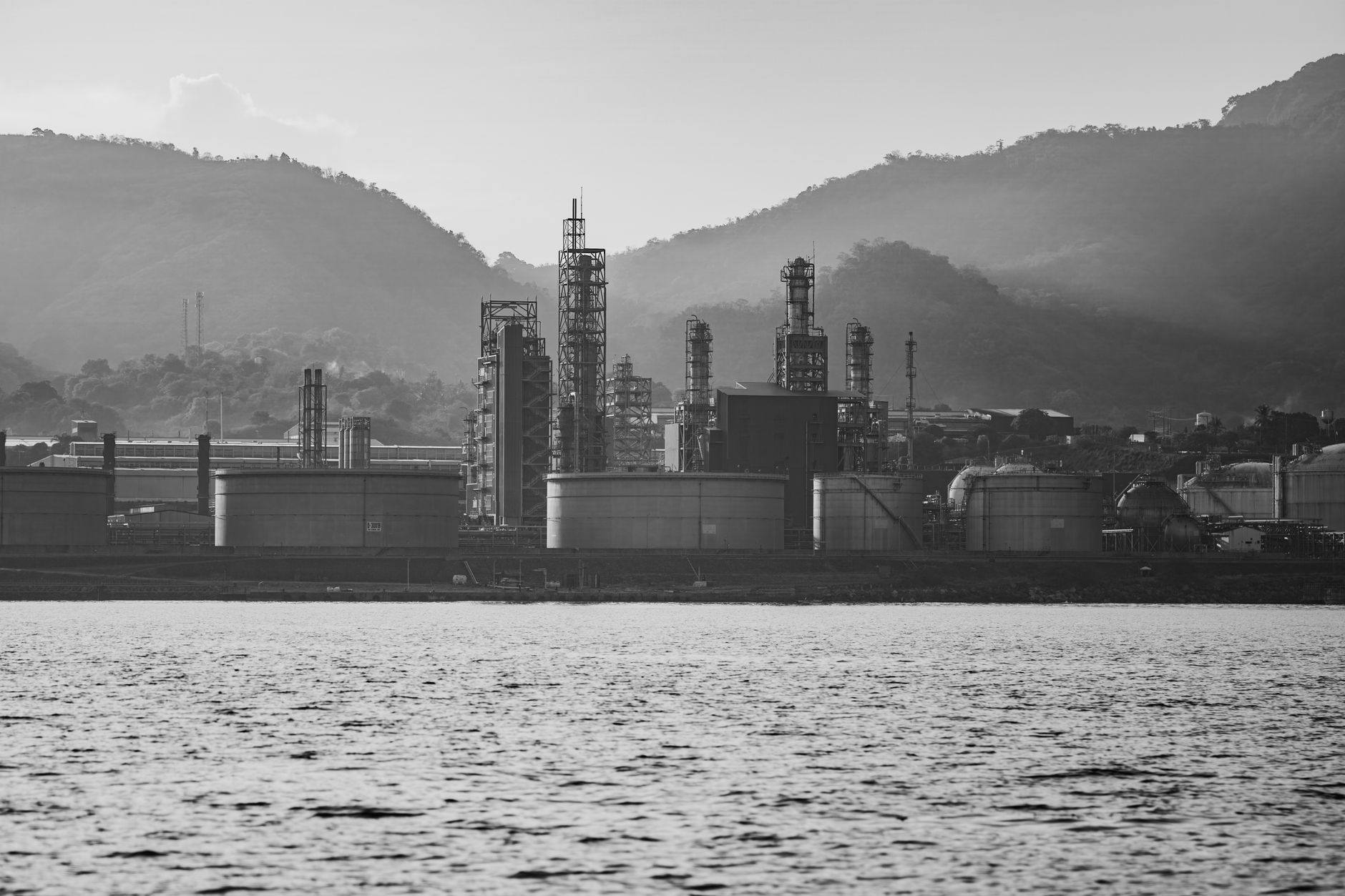
Chevron’s Strategic Position Under Pressure
Despite the cautious tone, Wirth reaffirmed Chevron’s commitment to its capital discipline framework, signaling that the company would not dramatically expand production in a lower-price environment. Chevron has maintained a capital expenditure guidance range of approximately $14.5 billion to $15.5 billion for the current fiscal year, a figure that already reflects some degree of conservatism relative to the aggressive spending cycles seen when Brent traded consistently above $90 per barrel.
The company’s balance sheet remains a point of relative strength. Chevron carries a debt-to-equity ratio that is among the more conservative in the supermajor peer group, giving it flexibility to sustain dividends and share buybacks even if oil prices drift lower. Wirth has previously stated that Chevron can generate positive free cash flow at oil prices around $50 per barrel at the Brent benchmark, a threshold that provides material cushion relative to current market levels.

Broader Implications for Energy Markets
Wirth’s public positioning carries weight beyond Chevron’s own operations. As one of the two largest American oil companies by market capitalisation, Chevron’s strategic signals are closely watched by investors, policymakers, and competing operators. A decision by a supermajor to maintain spending restraint rather than chase volume growth sends a signal to the broader industry that price discipline takes precedence over market share — a philosophy that also aligns with OPEC-plus messaging, even if the coordination is entirely informal.
Oil markets have also had to contend with geopolitical risk factors running in the opposite direction of demand weakness. Supply disruptions tied to regional conflicts and sanctions enforcement have periodically supported prices, but Wirth’s remarks suggest that in his view, the demand-side risks are the more durable force in the near term. Energy sector equities have underperformed the broader S&P 500 index year-to-date, reflecting precisely this tension between geopolitical risk premiums and softening consumption fundamentals. For investors navigating an increasingly complex macro environment, the message from one of the industry’s most prominent executives is one of measured restraint rather than optimism.