
SpaceX, the privately held rocket and satellite company founded by Elon Musk, is edging toward a landmark $100 billion annual revenue milestone, propelled by rapid expansion of its Starlink broadband service and an increasingly aggressive commercial launch schedule. The company’s financial trajectory has drawn significant attention from institutional investors and market analysts who track the private space economy, a sector that has reshaped expectations for what defense and telecommunications infrastructure can look like in the 2020s. As the MarketWatch report details, SpaceX’s path to nine-figure annual revenues is no longer a distant projection but a near-term operational target. This kind of private-sector momentum is increasingly influencing public market valuations, drawing parallels to the way Tesla’s Cybercab rollout has tested the boundaries between innovation speed and regulatory readiness.
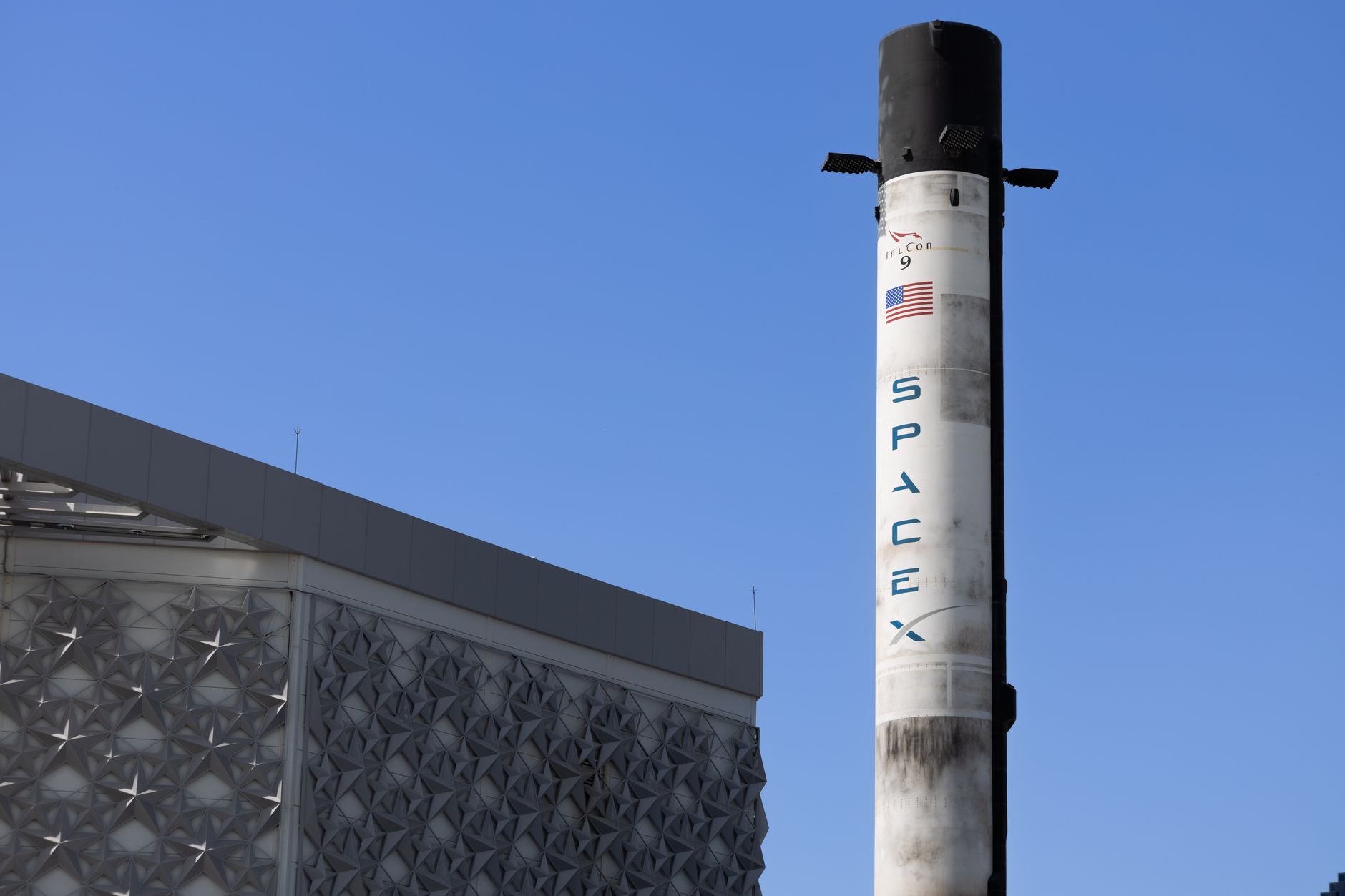
SpaceX is believed to have generated revenues in the range of $8 billion to $10 billion in recent fiscal years, with Starlink now accounting for an estimated 40 to 50 percent of total income. The satellite internet division has expanded to more than three million active subscribers globally, spanning consumers, enterprise clients, maritime operators, and government contracts. That diversification has insulated revenue streams from the volatility historically associated with launch-dependent space companies, giving SpaceX a recurring income base that analysts say underpins its lofty private valuation, which has reportedly exceeded $180 billion in secondary market transactions.
Starlink’s Commercial Reach Drives Recurring Revenue
The Starlink constellation, which now comprises more than 6,000 satellites in low-Earth orbit, has become the financial engine of SpaceX’s growth story. Monthly subscription fees, which range from approximately $120 for residential plans to well over $5,000 for maritime and aviation tiers, have created a predictable cash flow that venture-style space ventures rarely achieve. Aviation and maritime contracts in particular have proven lucrative, with airlines and shipping companies paying premium rates for in-flight and at-sea connectivity in regions underserved by terrestrial fiber networks.
SpaceX has also secured substantial government revenue, including contracts with the United States Department of Defense and NASA, the latter covering crew and cargo missions to the International Space Station under the Commercial Crew and Commercial Resupply programs. Pentagon contracts for satellite communications and launch services have further diversified the revenue base, reducing dependence on any single customer vertical. Analysts note that this government-commercial hybrid model is one of the more resilient revenue architectures in the aerospace sector.

Valuation Pressure and the Road to Nine Figures
Reaching $100 billion in annual revenue would place SpaceX in the same league as aerospace and defense giants such as Boeing and Raytheon Technologies, companies that have built their revenues over many decades. For SpaceX, which was founded in 2002, achieving that threshold within roughly a quarter-century would represent a compression of industrial timelines that few companies in any sector have managed. The company’s launch cadence has itself become a competitive moat: SpaceX conducted more than 90 orbital launches in a recent twelve-month period, a figure that exceeds the combined output of most national space agencies.
The company has shown no inclination toward a near-term initial public offering, with Musk having repeatedly indicated that a stock market listing would only make sense once Starship, its next-generation heavy-lift vehicle, achieves reliable operational status. Starship is central to several future revenue streams, including lunar lander contracts with NASA and the potential to dramatically reduce per-kilogram launch costs. Investors watching the broader landscape of capital-intensive technology ventures may note how similarly transformative bets are playing out across industries, from Chinese EV manufacturers pivoting toward humanoid robotics to defense startups scaling novel manufacturing capacity. Whether SpaceX crosses the $100 billion revenue threshold within three years or five will depend heavily on Starlink subscriber growth, Starship commercialization, and the pace of government procurement in an era of renewed great-power competition in orbit.