
Tesla’s long-anticipated Cybercab robotaxi has officially begun carrying paying passengers, marking a significant commercial milestone for the electric vehicle giant’s autonomous mobility ambitions. However, the launch has not been without complication, as the vehicle encountered an early regulatory hurdle that analysts say could complicate Tesla’s timeline for scaling the service across major U.S. markets. The development arrives at a pivotal moment for the broader autonomous vehicle sector, which has drawn intense scrutiny from both investors and safety regulators. For investors tracking the U.S. mortgage costs environment and broader consumer spending signals, Tesla’s robotaxi push represents one of the more consequential corporate bets of the year.
According to a report by TechCrunch Mobility, the Cybercab has begun limited public operations, though the publication noted that the vehicle ran into a notable snag during its early rollout phase. While Tesla has not disclosed full operational metrics, the company is understood to be targeting a fare structure that undercuts traditional rideshare pricing by a significant margin, with CEO Elon Musk previously suggesting costs as low as 20 cents per mile at scale — a figure that, if achievable, would fundamentally disrupt the roughly 285 billion dollar global ride-hailing market.
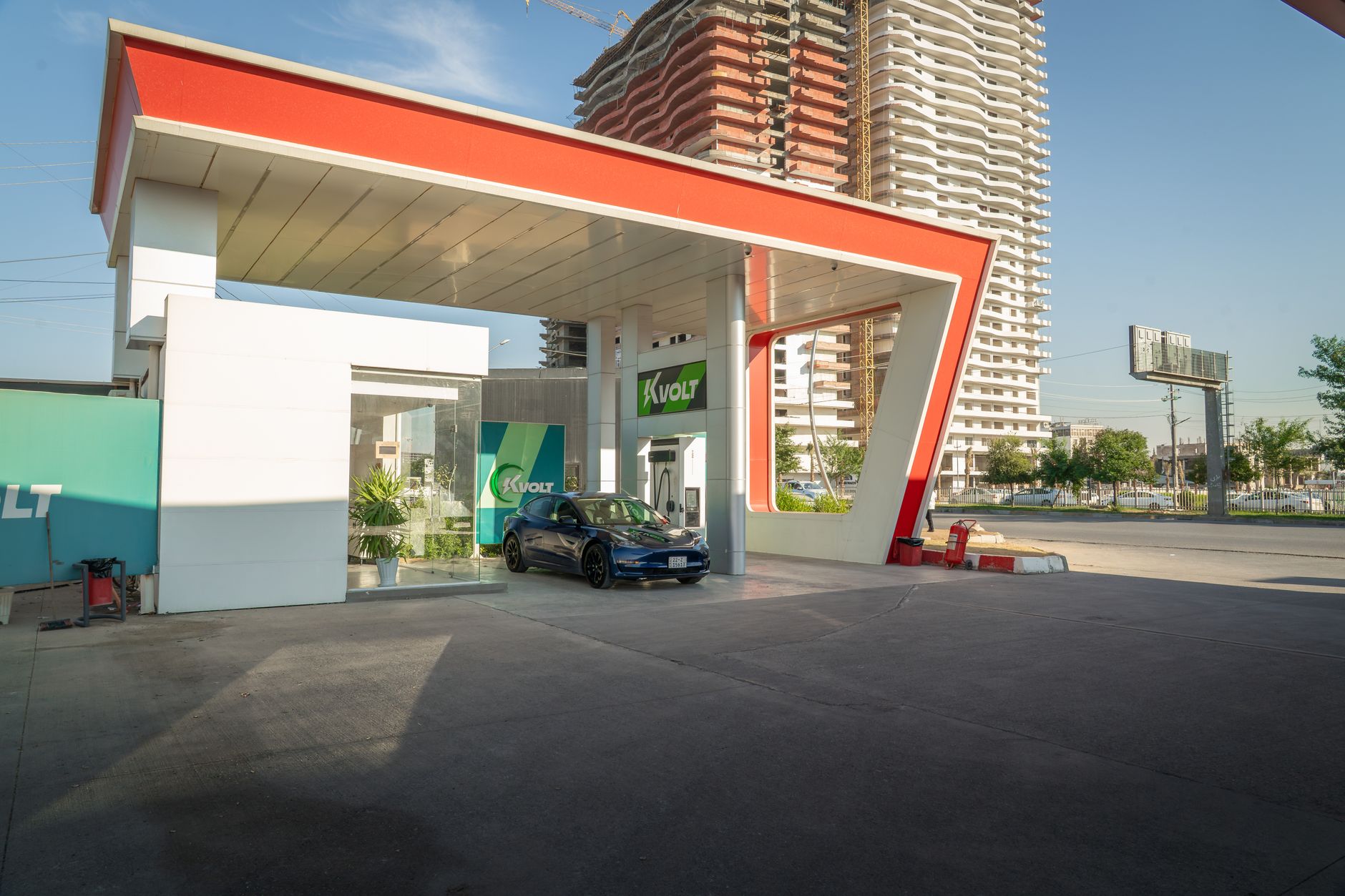
Commercial Debut and the Scale of Tesla’s Autonomous Bet
The Cybercab, which Tesla unveiled in prototype form in late 2024, is purpose-built without a steering wheel or pedal controls, reflecting the company’s conviction that full autonomy is not merely aspirational but imminent. The vehicle relies exclusively on Tesla’s in-house artificial intelligence stack, branded as Full Self-Driving Supervised, and does not incorporate lidar sensors — a design choice that has divided the autonomous vehicle engineering community. Rivals including Waymo, which already operates driverless rides across San Francisco, Phoenix, and Los Angeles, use a sensor-fusion approach that many engineers argue is more redundancy-rich.
Tesla’s strategy, by contrast, bets heavily on camera-based vision processing trained on billions of miles of real-world driving data accumulated across its existing consumer fleet. The company estimates its active vehicle fleet provides a data advantage that no competitor can easily replicate, an argument that has helped sustain investor confidence even as regulatory clearances have lagged expectations. Tesla shares have experienced significant volatility over the past 18 months as the autonomous timeline has repeatedly shifted, with the stock trading at levels roughly 35 percent below its all-time high as of late summer 2026.
The Regulatory Snag and What It Means for Investors
The specific nature of the regulatory obstacle reported by TechCrunch Mobility centers on permitting conditions in at least one of the initial launch jurisdictions, where authorities have imposed operational restrictions that limit the geographic zone and hours during which the Cybercab may carry passengers without a safety monitor present. Such constraints, while not unusual for early-stage deployments, carry meaningful financial implications: a geofenced, time-restricted service generates substantially lower revenue per vehicle than a fully open operation, undermining near-term unit economics that Tesla has used to project profitability.
Regulatory friction is a recurring theme across the autonomous vehicle industry. California’s Department of Motor Vehicles and the National Highway Traffic Safety Administration have both expanded oversight frameworks in recent years following high-profile incidents involving competitor platforms. Tesla, which has faced its own NHTSA investigations related to Full Self-Driving performance, enters the commercial robotaxi market carrying that regulatory history. Industry observers note that any incident involving the Cybercab during its early public phase could trigger broader permit suspensions, a tail risk that institutional investors are carefully monitoring.

For market watchers, the Cybercab’s commercial debut is best understood not as a single product launch but as the opening chapter of what Tesla projects to be its highest-margin business line. The company has suggested that its robotaxi network could eventually generate revenues exceeding its core vehicle manufacturing operation, a claim that implies a dramatic rerating of Tesla’s valuation if execution proves credible. Whether early regulatory friction represents a manageable growing pain or a more structural obstacle will depend substantially on how Tesla and relevant authorities negotiate operational parameters over the coming quarters. The outcome carries implications not just for Tesla shareholders, but for the trajectory of autonomous mobility investment more broadly at a time when capital in the sector remains cautious but alert to inflection points.