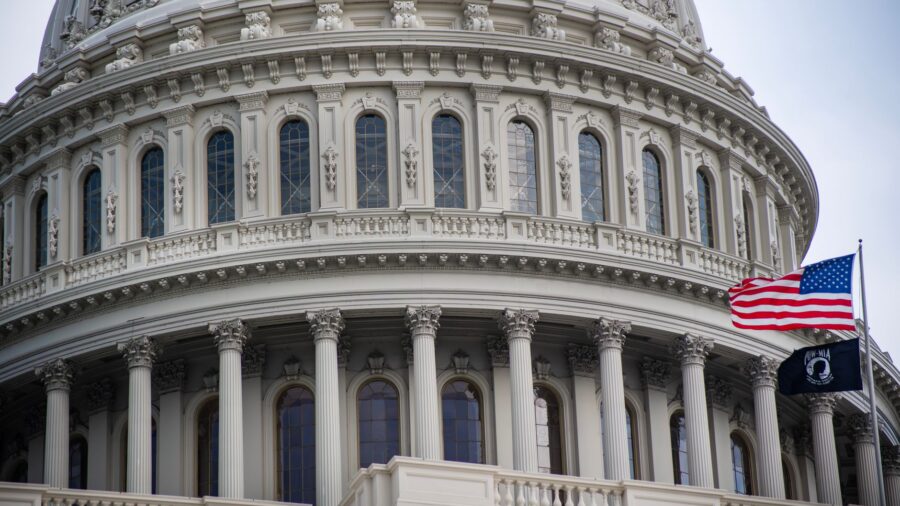
President Donald Trump sharpened his rhetoric against Beijing on Thursday even as senior American and Chinese officials gathered in Washington to lay the groundwork for a high-stakes summit with President Xi Jinping, underscoring the fragile and contradictory nature of the bilateral relationship heading into one of the most consequential diplomatic meetings of 2026. The escalating tension centers largely on China’s continued economic ties to Iran, which Washington argues are undermining an aggressive sanctions regime designed to curtail Tehran’s energy revenues and nuclear ambitions — a pressure campaign whose financial toll Iran has been mounting steadily through the year.
The dual-track dynamic — sharp public warnings paired with quiet diplomatic engagement — reflects the complexity of a relationship that spans trillions of dollars in annual trade, overlapping military flashpoints, and deep technological rivalry. Markets sensitive to U.S.-China developments showed measured volatility, with the offshore yuan slipping roughly 0.3 percent against the dollar in morning trading, while U.S. equity futures trimmed earlier gains as investors weighed the prospect of fresh secondary sanctions disrupting global supply chains. The situation also drew comparisons to the broader trade tariff pressures that have dominated market sentiment through August.
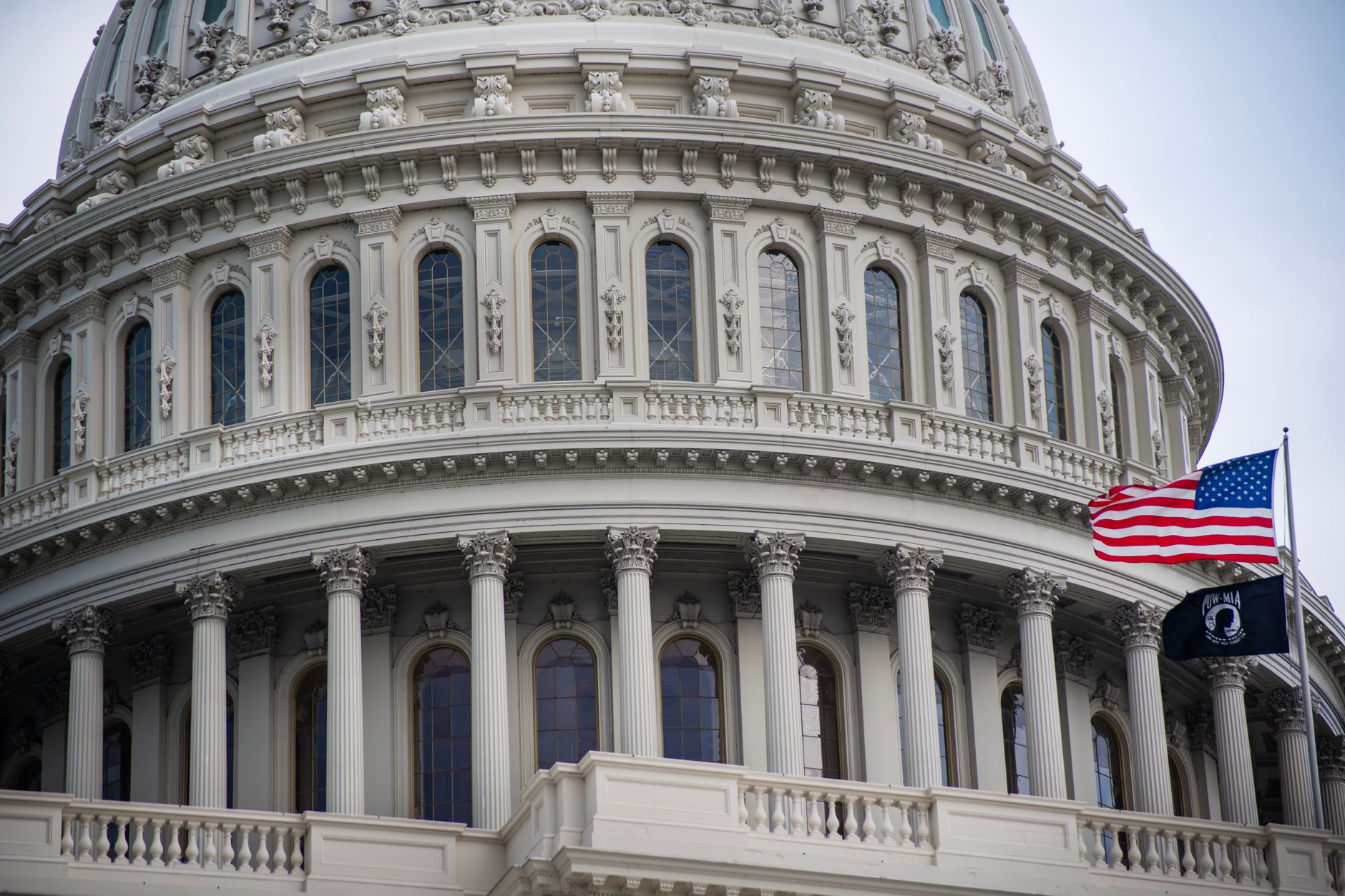
Iran Sanctions at the Core of the Dispute
At the heart of the confrontation is Washington’s accusation that Chinese state-linked entities continue to purchase Iranian crude oil at discounted rates, effectively providing Tehran with a financial lifeline that blunts the impact of American-led sanctions. U.S. officials estimate that Iran exported roughly 1.5 million barrels of oil per day in the first half of 2026, with the vast majority absorbed by Chinese refiners, generating billions of dollars in revenue that Washington says funds both the Iranian government’s budget and its ballistic missile program.
Trump, posting on social media ahead of the official meetings, threatened to impose sweeping secondary sanctions on any financial institution or energy company found facilitating Iranian oil purchases, a move that analysts say could force Chinese banks to choose between access to the U.S. dollar system and their Iranian trading relationships. Such a choice would carry enormous consequences: Chinese financial institutions hold significant dollar-denominated assets and conduct a substantial share of international transactions through correspondent banking networks that run through New York. Senior administration officials confirmed the threat was not rhetorical, indicating that an executive order could be issued as early as next week if Beijing does not offer credible assurances during Xi’s visit.
Diplomats Signal Room for Compromise Ahead of Summit
Despite the combative public posture from the White House, the working-level meetings in Washington carried a notably different tone. The U.S. Ambassador to China issued a diplomatic communiqué confirming that preparatory talks between the two delegations had begun and describing the atmosphere as constructive, while stopping short of previewing any specific concessions from either side.
According to the CNBC report that first detailed the scope of the discussions, American negotiators are expected to present Chinese counterparts with documented evidence of specific transactions linking Chinese refiners to sanctioned Iranian entities, a more granular evidentiary approach than Washington has taken in previous rounds of pressure. Chinese officials, for their part, have consistently denied that state policy encourages Iranian oil imports and have framed any purchases as private commercial decisions beyond Beijing’s direct authority — a position the U.S. categorically rejects.
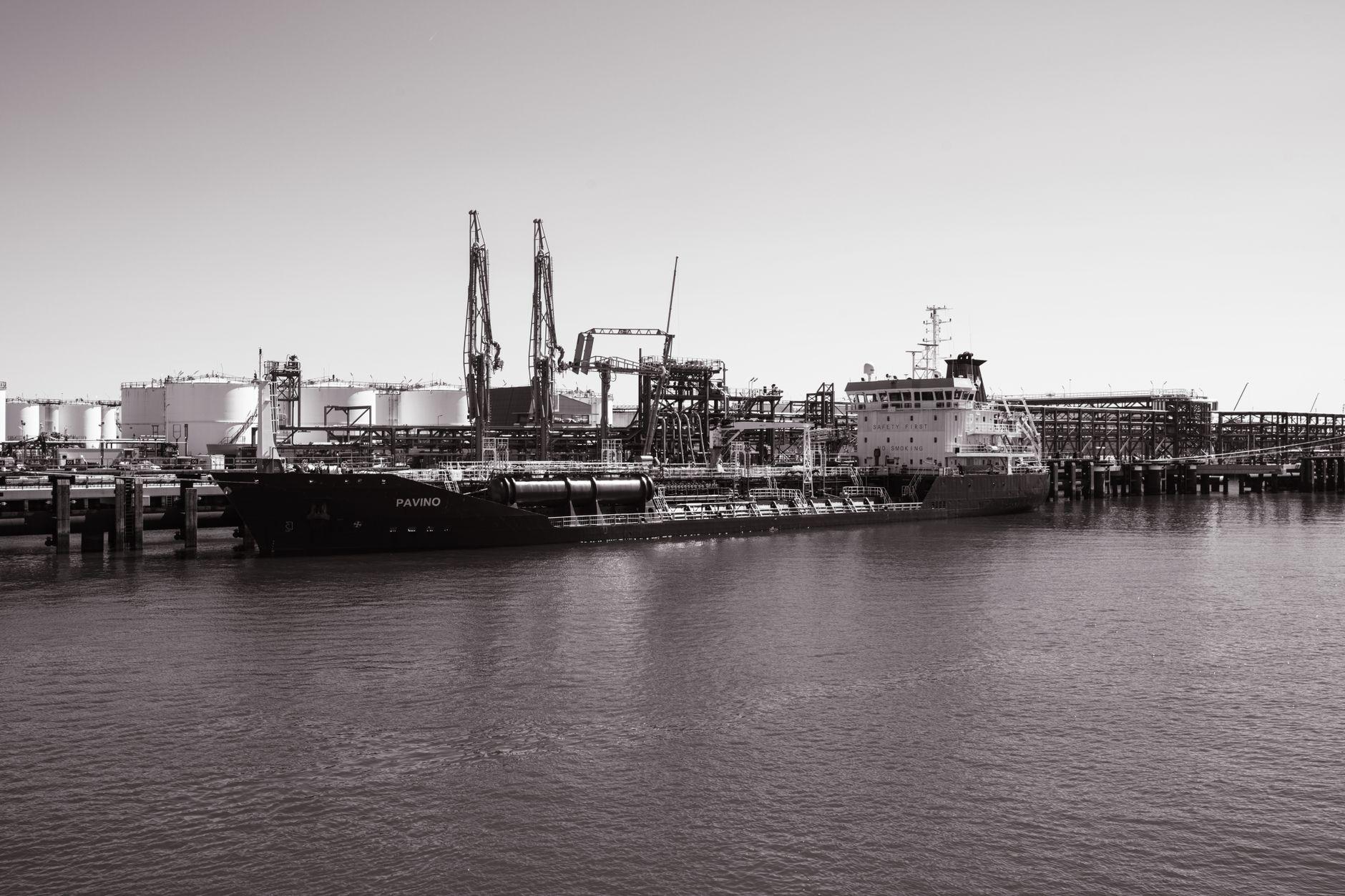
Economists warned that a breakdown in the summit, or the imposition of broad secondary sanctions before talks conclude, could ripple far beyond the bilateral relationship. Global oil markets could tighten sharply if Chinese buyers abruptly curtailed Iranian imports, potentially pushing Brent crude above $95 per barrel, while U.S. multinationals with significant China exposure — across sectors from semiconductors to consumer goods — would face fresh uncertainty about operating conditions in the world’s second-largest economy. The coming days will test whether the framework of high-level engagement can survive the weight of escalating demands from both capitals.