Six months after a sharp escalation in international pressure on Tehran, Iran has avoided the kind of immediate economic collapse that some analysts predicted. Yet as Al Jazeera’s opinion desk Iran analysis makes clear, the cost of sustaining that posture is accelerating at a pace that risks becoming unmanageable. The Iranian rial has shed roughly 35 percent of its value against the dollar since the start of the year, currency markets in Tehran operating on unofficial rates that now sit nearly double the official government peg. For households already contending with inflation running above 40 percent, the compounding effect is severe. The broader question for global markets is no longer whether Iran will collapse, but how much longer its leadership can absorb the economic punishment before domestic pressure forces a strategic shift.
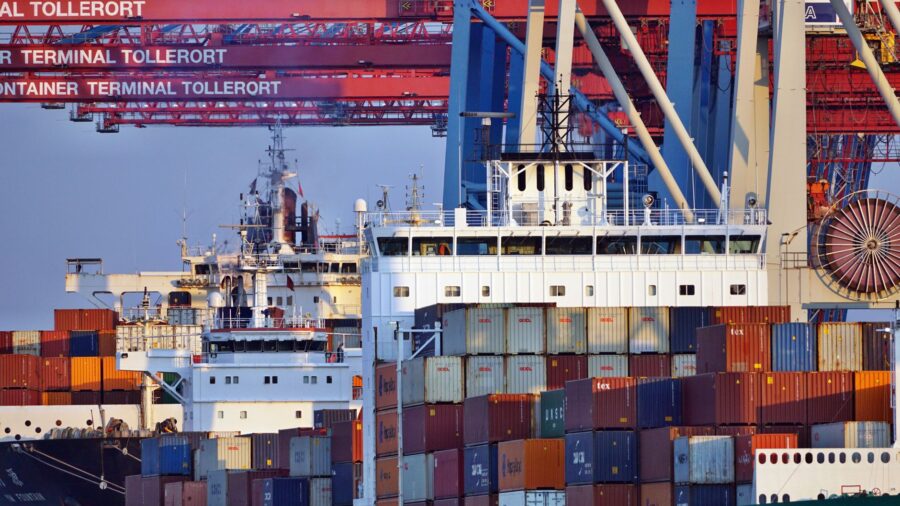
The economic strain in Tehran carries implications well beyond the region’s borders. Oil markets have remained sensitive to any signal from Iran, which retains the capacity to disrupt shipping lanes in the Strait of Hormuz — a chokepoint through which roughly 20 percent of global oil trade passes. Brent crude has held a risk premium estimated by commodity analysts at between four and seven dollars per barrel directly attributable to the ongoing standoff. That premium feeds directly into energy costs across Europe and Asia, contributing to the kind of sticky inflation that has frustrated central bankers in developed economies throughout 2026. A resolution — or a further deterioration — in Iran’s situation would move energy prices meaningfully in either direction.
The Budget Under Siege: Revenues Shrink as Obligations Grow
Tehran’s fiscal position has deteriorated markedly over the six-month period. Oil export revenues, the traditional backbone of government spending, have fallen by an estimated 45 percent compared with the same period in 2025, as tightened enforcement of secondary sanctions has reduced the pool of willing buyers in Asia. China and India, which together absorbed the bulk of sanctioned Iranian crude in prior years, have grown more cautious in recent months as Washington has applied direct pressure on specific refineries and shipping entities. Analysts tracking Iranian energy flows estimate that actual export volumes have dropped to around 800,000 barrels per day, compared with peaks above 1.5 million barrels recorded in late 2024.
To compensate, the government has drawn down foreign exchange reserves and leaned on the central bank to monetise a growing fiscal deficit, a dynamic that monetary economists consistently associate with accelerating inflation. Subsidies on basic goods — bread, fuel, and utilities — remain politically untouchable and consume an expanding share of a shrinking budget. The International Monetary Fund, which does not have a formal programme with Tehran, has estimated in past assessments that Iran’s break-even oil price for budget purposes sits near 130 dollars per barrel, a figure far above current market rates. That structural mismatch leaves the government with narrowing options.

Geopolitical Calculus and the Regional Economic Ripple
For neighbouring economies and global investors, the stalemate is generating uncertainty that distorts capital allocation. Gulf sovereign wealth funds, which have been expanding their international portfolios aggressively over the past two years, have maintained elevated allocations to defensive assets partly as a hedge against regional escalation risk. The Achilles’ Shield air defense agreement signed between Greece and Israel earlier this year illustrates how the broader security environment is translating into hard procurement commitments, with defence spending across the Eastern Mediterranean and Gulf running at multi-decade highs.
Within Iran itself, the private sector has retreated. Business formation data collated by regional economic research groups shows a sharp contraction in new enterprise registrations, and foreign direct investment, already negligible under prior sanctions regimes, has effectively ceased. The brain drain that economists flagged as a structural risk several years ago has accelerated, with emigration among engineers, physicians, and financial professionals reaching levels not recorded since the early 1980s. That erosion of human capital compounds the immediate fiscal pain, creating a longer-term productivity deficit that will persist even if sanctions are eventually lifted. Whether the regime’s calculus changes before those costs become politically irreversible remains the central uncertainty for analysts watching Tehran in the months ahead.