
Global markets entered Thursday’s session on edge as a fresh wave of tariff-related commentary from the White House rekindled trade-war anxieties that had briefly receded over the summer. Equity futures dipped in pre-market trading as investors parsed new signals from the administration regarding the scope and timing of additional import levies, particularly on goods from Europe and Southeast Asia. The developments, highlighted in the CNBC Daily Open, underscored how quickly trade policy can reorder market priorities even in a shortened summer week. For readers tracking the broader inflation picture, July price data released earlier this month had already flagged persistent cost pressures that tariff escalation could deepen further.
The dual news flow — encompassing both consequential trade policy and a symbolic presidential renaming of a prominent American lake — illustrated the unpredictable nature of the current policy environment. The renaming itself, while carrying limited direct economic consequence, added another layer of headline noise that traders have learned to weigh carefully when assessing sentiment-driven volatility. Markets have become acutely sensitive to executive actions of all kinds in 2026, as the boundary between symbolic gestures and substantive policy shifts has grown increasingly blurred.

Tariff Threats Rattle Sectors Exposed to Import Costs
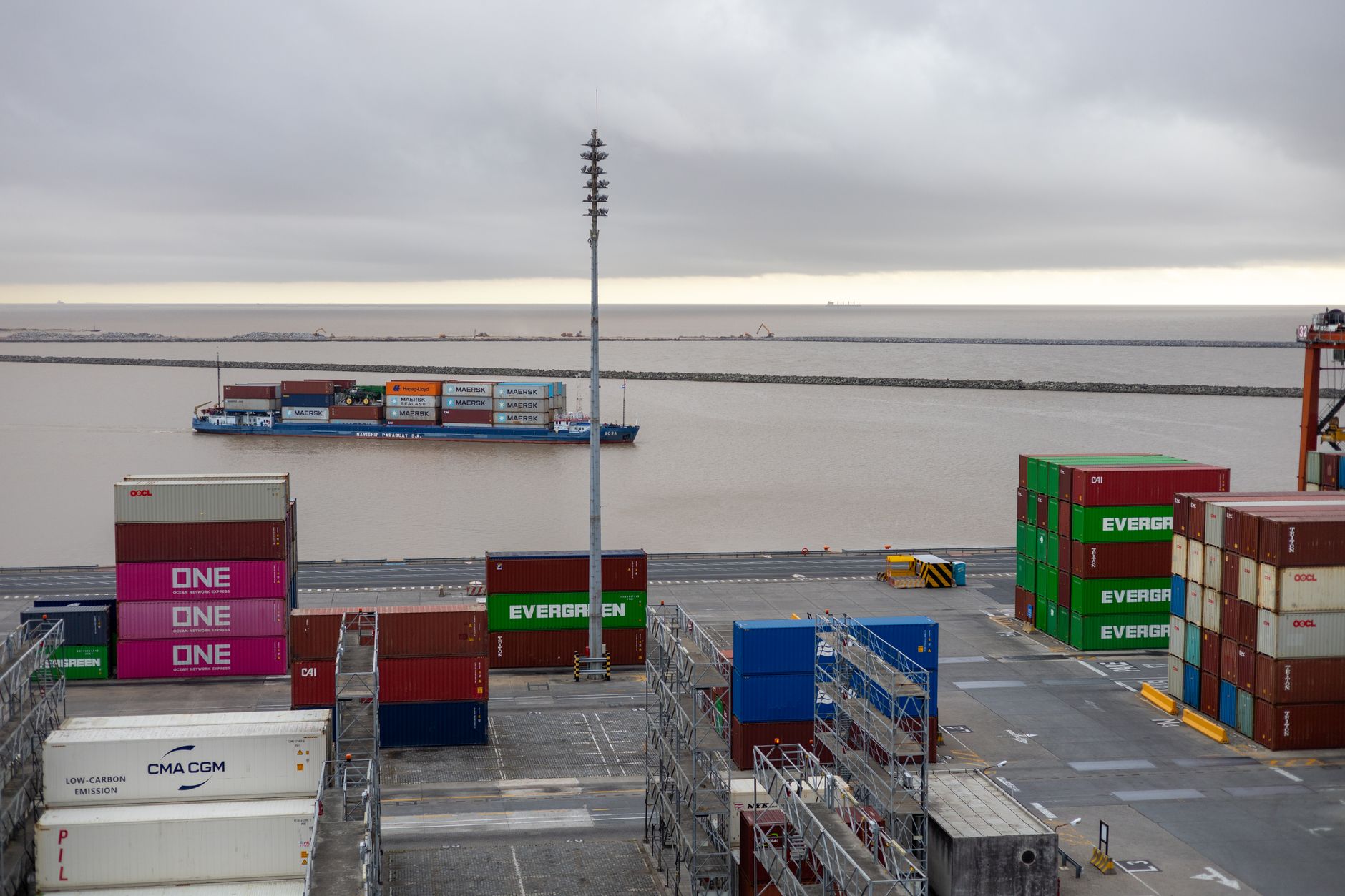
The renewed tariff spotlight fell most heavily on consumer electronics, automotive components, and agricultural goods — three sectors that bore the brunt of earlier trade skirmishes and have yet to fully recover their supply-chain stability. Reports indicated that the administration was considering levies in the range of 15 to 25 percent on select categories of European manufactured goods, a figure that analysts said could translate into meaningful margin compression for US retailers who depend on those supply chains. S&P 500 futures slipped approximately 0.4 percent in early trading, with the industrial and consumer discretionary sub-indices among the hardest hit.
Currency markets reflected a similar unease. The euro softened against the dollar as traders priced in the possibility that European exporters could face a harsher competitive environment heading into the autumn. The Japanese yen, often sought as a safe haven during periods of trade uncertainty, edged higher. Bond markets were more measured, with the 10-year Treasury yield holding near 4.6 percent, though Treasury yield movements in recent sessions have shown the market’s sensitivity to any policy escalation. Commodity prices were mixed, with oil ticking lower on demand-growth concerns while gold firmed modestly above the $2,480 per ounce level.
Several Wall Street strategists cautioned that the tariff rhetoric, even if not immediately codified into executive orders, was sufficient to dampen corporate planning and delay capital expenditure decisions. A sustained period of policy ambiguity, they argued, carries its own economic cost — one that may not appear clearly in monthly data releases but gradually erodes business confidence and hiring intentions over a quarter or two.
A Presidential Renaming and the Weight of Political Symbolism
Alongside the tariff developments, markets and media were also processing President Trump’s decision to rename a well-known American lake through executive order — a move consistent with a pattern of high-profile geographical rebranding actions the administration has pursued since returning to office. While the renaming carries no direct fiscal implications, it generated significant media coverage that market observers noted could distract from or amplify the underlying trade policy signals, depending on how the news cycle evolved through the session.
Political symbolism has increasingly become part of the market’s calculus in 2026. Analysts at several major banks have noted in recent research notes that investors now allocate greater attention to the optics of White House communications, recognising that image-driven actions can precede or accompany substantive policy decisions. In that context, a high-profile renaming order appearing on the same day as tariff commentary was not dismissed by all participants as mere coincidence. Whether coordinated or not, the pairing kept the administration firmly in the headlines at a moment when equity markets were already searching for directional clarity heading into the final trading days of August.
As the month draws to a close, traders will be watching closely for any formalisation of tariff measures, with September historically representing a period of renewed legislative and regulatory activity. The convergence of sticky inflation, elevated yields, and an unpredictable policy environment leaves little room for complacency, and Thursday’s session served as a pointed reminder that in 2026, the news cycle rarely slows long enough for markets to find their footing.