Federal Reserve Chair Kevin Warsh delivered a closely watched address at the central bank’s annual Jackson Hole symposium in late August, using the high-profile gathering to signal a meaningful recalibration of monetary policy priorities. The speech, which drew immediate reaction from traders, economists, and institutional investors, suggested the Fed under Warsh’s leadership intends to place greater emphasis on restoring institutional credibility and price stability over near-term growth accommodation. For markets already navigating levies August volatility, the address added another layer of uncertainty heading into the autumn. Fortune reported on the key takeaways from the event in an article titled “Key Takeaways from the Federal Reserve’s Jackson Hole Conference,” published on August 29, 2026.
Warsh’s remarks were notably more hawkish in tone than many participants had anticipated, reinforcing speculation that the Fed’s policy pivot under his tenure would differ sharply from the approach of his predecessor. According to the Fortune conference recap, Warsh emphasized the importance of not declaring premature victory on inflation, even as headline consumer price growth has moderated from its post-pandemic peaks. The Fed chair indicated that the central bank would remain data-dependent but cautioned that easing policy too soon risked repeating the errors that allowed inflation to become entrenched in the first place.

Warsh Reframes the Fed’s Credibility Mandate
A central thread running through Warsh’s Jackson Hole address was the notion that the Federal Reserve must rebuild its credibility as an inflation-fighting institution. Speaking to an audience of global central bankers, finance ministers, and academic economists, Warsh argued that the Fed’s delayed response to the initial inflation surge had eroded public trust and complicated the bank’s communications strategy. He reportedly called for a more rules-based framework rather than relying heavily on discretionary judgment, a departure from the flexible average inflation targeting that defined recent Fed doctrine.
Investopedia noted ahead of the conference that markets were acutely focused on whether Warsh would use Jackson Hole to “hit reset” with investors, and by most accounts he did exactly that. According to the Investopedia analysis, expectations had been building for weeks that Warsh might use the forum to push back against market pricing that had been aggressively betting on rate cuts before the end of 2026. The Fed funds futures market, which had assigned roughly a 70 percent probability to at least two quarter-point reductions by December, saw those odds compress noticeably in the hours following his remarks.
Market Reaction and the Divide Among Economists
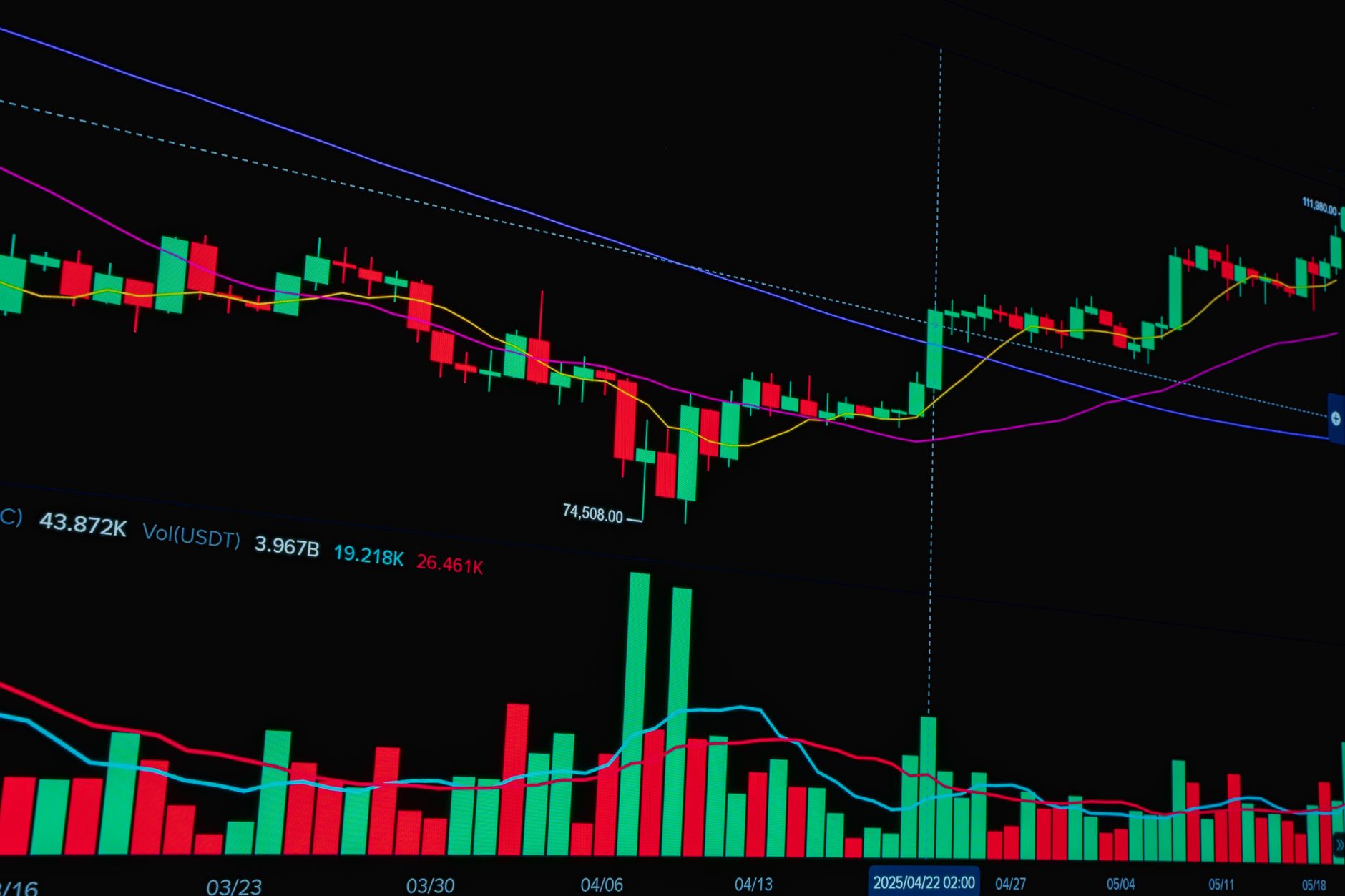
The immediate reaction across asset classes was instructive. Treasury yields rose sharply in intraday trading, with the two-year note — the maturity most sensitive to near-term rate expectations — climbing approximately 14 basis points following the speech. Equity indices turned lower, with the S&P 500 shedding around 0.9 percent by the close of the session. The dollar index strengthened modestly, reflecting a repricing of rate differentials relative to other major central banks, several of which have already begun easing cycles.
The response among prominent economists and market strategists was far from uniform. Business Insider reported on what it described as a split among informed observers, with some praising Warsh’s willingness to anchor expectations firmly while others warned his tone risked tightening financial conditions unnecessarily at a moment when parts of the labour market are showing signs of softening. Mohamed El-Erian, among others quoted in the Insider reaction piece, suggested that while the speech demonstrated intellectual seriousness, it left critical questions about the precise policy path unanswered, potentially extending the uncertainty that has weighed on business investment decisions throughout the year.
The broader debate Warsh’s speech has reignited touches on structural questions that extend well beyond this rate cycle. Longer-term fiscal pressures, including the potential erosion of traditional revenue streams, mean the Fed may be operating in a more constrained macro environment for years to come — a dynamic explored in reporting on how erodes payroll tax revenues and complicates the government’s fiscal arithmetic. For now, attention turns to the September Federal Open Market Committee meeting, where Warsh will face his first major policy decision since taking the chair, with markets scrutinising every word for confirmation of the reset he appeared to announce in Wyoming.