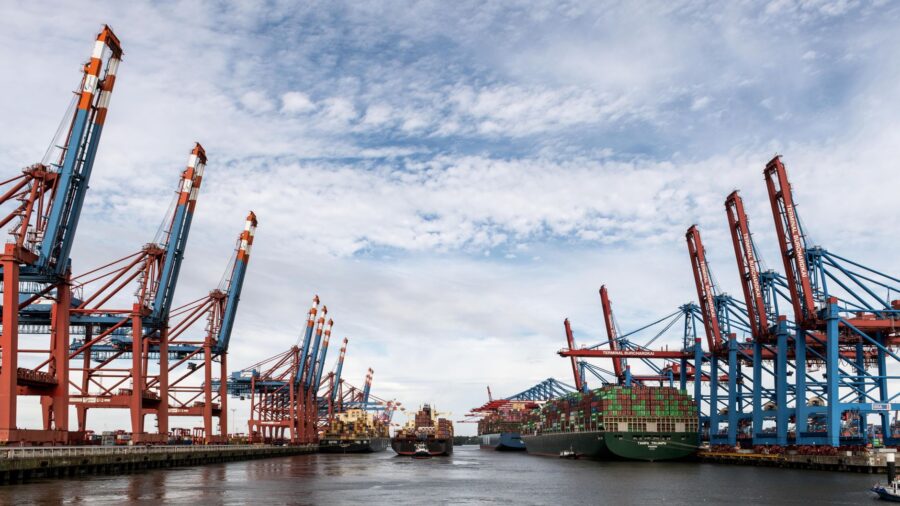
The United States has escalated its confrontation with Iran by threatening what officials have described as an indefinite naval blockade, a move that has sent shockwaves through global energy markets and raised fundamental questions about how long such a measure could realistically be sustained. The threat, Al Jazeera reported on August 14, marks one of the most aggressive postures Washington has adopted toward Tehran in years, with analysts warning that the downstream consequences for crude supply chains could be severe and lasting. For context on how energy markets have already been pricing in this risk, see The Fiscalist’s earlier coverage of the Iranian oil embargo prospects that began circulating in late July.
Iran currently accounts for an estimated 3.2 million barrels per day of crude production, a figure that has rebounded sharply since 2023 as enforcement of prior US sanctions softened. A hard naval blockade targeting the Strait of Hormuz corridor — through which roughly 20 percent of global oil supply transits daily — would represent an entirely different order of magnitude from financial sanctions alone. Brent crude futures surged more than 4 percent in intraday trading following the announcement, briefly crossing $97 per barrel before partially retreating as traders assessed whether the threat would translate into action.
The Economic Arithmetic of a Prolonged Blockade
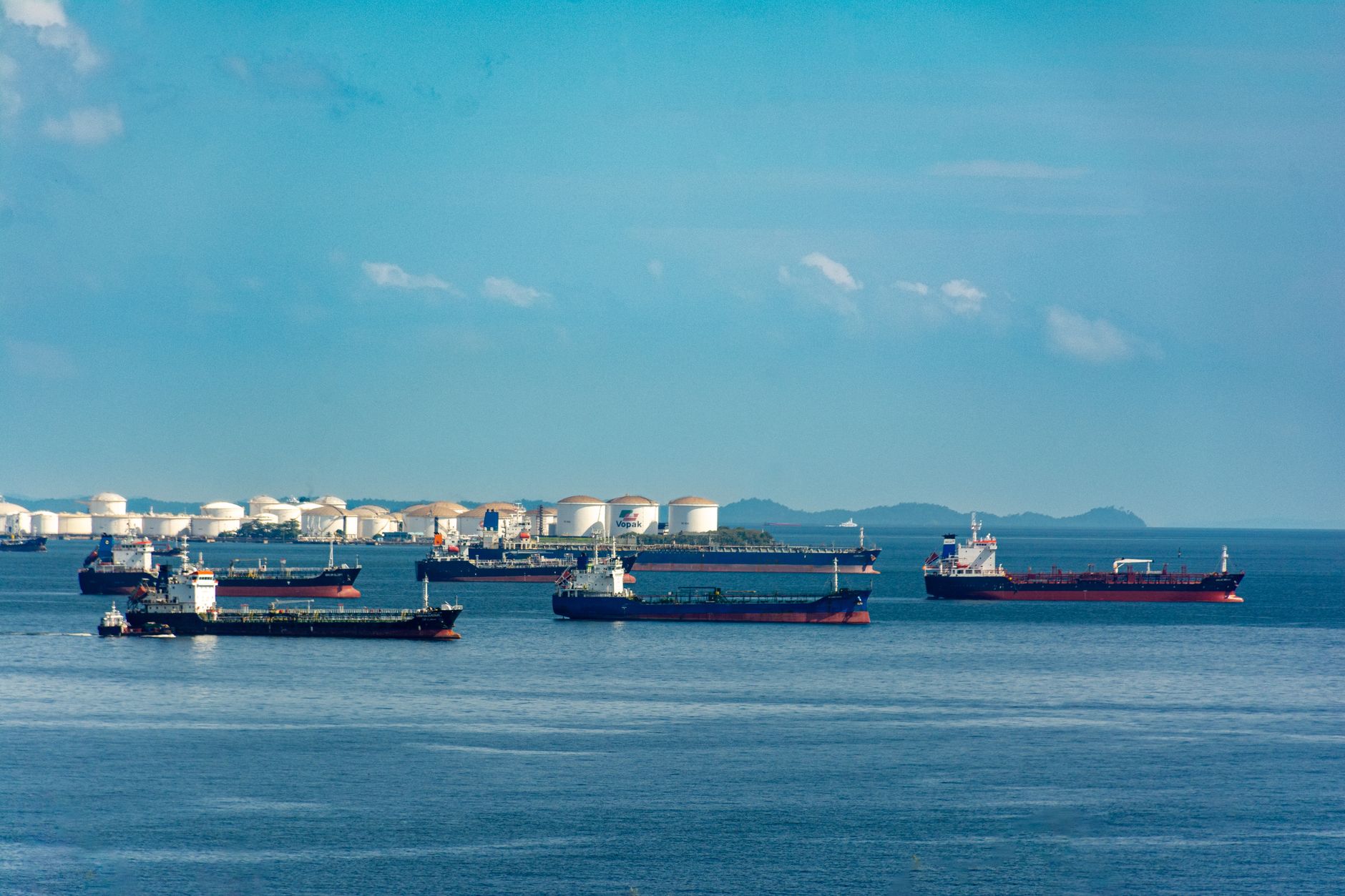
The financial viability of sustaining an indefinite blockade hinges on a complex set of variables, including coalition support, legal standing under international maritime law, and the ability to weather retaliatory economic pressure. The United States imports relatively little Iranian oil directly, but allies in Europe and Asia — particularly India and China, which together absorbed an estimated 1.6 million barrels per day of Iranian crude in 2025 — would face acute supply disruptions. Beijing has consistently opposed unilateral US measures and could view a naval blockade as an act of economic aggression with direct consequences for its own energy security.
From a fiscal standpoint, the cost of maintaining a sustained naval presence in the Persian Gulf is not trivial. Defense analysts estimate that an extended carrier-group deployment in a contested zone costs the US Navy upward of $6 million per day in operational expenses, excluding the broader budgetary implications of a prolonged regional standoff. Meanwhile, elevated oil prices act as a de facto tax on American consumers at a time when, as The Fiscalist has reported, wage growth is already failing to keep pace with consumer price increases, compressing household budgets further.
Iran’s Economic Resilience and Strategic Calculus
Tehran’s ability to absorb sustained economic pressure has been repeatedly underestimated by Western policymakers. Despite years of sanctions, Iran has developed what the International Monetary Fund estimated in 2024 was a shadow export network capable of moving roughly $35 billion in goods annually through intermediary nations. The country has also built up strategic reserves and diversified its barter arrangements with sanctioned partners, reducing its dependence on dollar-denominated transactions. Whether a physical blockade would meaningfully close off these channels remains an open and contested question among economists and security analysts.
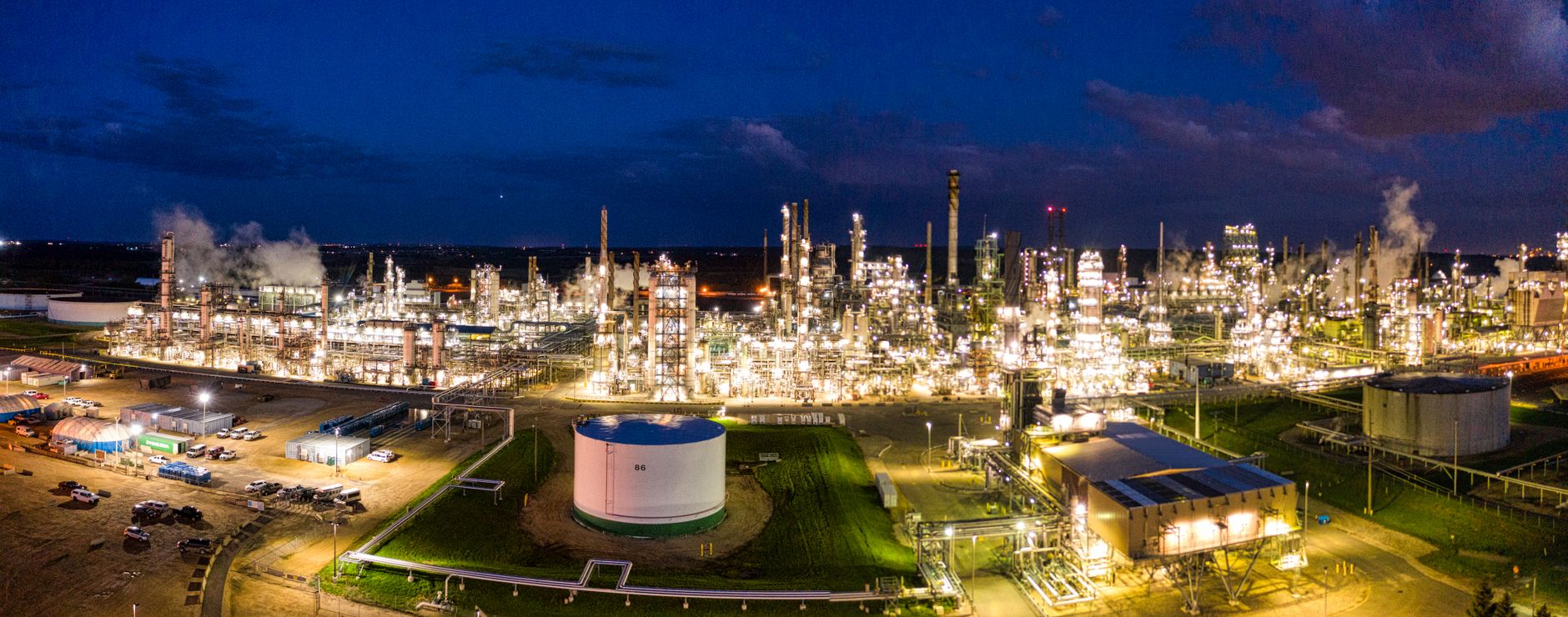
There is also the question of Iranian retaliation. Tehran retains the capacity to disrupt shipping through asymmetric naval tactics, including the deployment of fast-attack boats and sea mines — tactics it has employed in the past during periods of regional tension. Any disruption to commercial shipping lanes would almost certainly push insurance premiums for tankers in the region to prohibitive levels, with war-risk surcharges potentially adding $2 to $4 per barrel to the effective delivered cost of Gulf crude. OPEC member states, many of which rely on those same shipping corridors, have privately expressed alarm at the escalatory trajectory, even as they avoid public statements that could antagonize Washington.
For now, markets are treating the blockade threat as a tail risk rather than a baseline scenario, but the margin for miscalculation is narrowing. The coming weeks will test whether US resolve is matched by the diplomatic groundwork necessary to make such a posture legally defensible and economically sustainable — a pairing that, historically, has proven elusive in the Persian Gulf.