
Global oil prices steadied on Monday after the United States escalated its confrontation with Iran, with senior American officials warning that a naval blockade could be imposed indefinitely if Tehran refuses to abandon its nuclear programme. The threat injected fresh uncertainty into energy markets already navigating a fragile supply-demand balance, with Brent crude hovering near $74 per barrel and West Texas Intermediate (WTI) trading around $71.50 per barrel in early European hours. For commodity traders tracking Hormuz crisis developments, the latest rhetoric from Washington represented a significant escalation in tone.
According to CNA reporting, American officials did not specify a timeline for when such a blockade might be enforced, but the open-ended nature of the threat was enough to keep a floor beneath oil prices that had drifted lower over the preceding week on demand concerns. The statement came amid stalled diplomatic talks between Washington and Tehran, with negotiations over Iran’s nuclear enrichment activities having produced no substantive breakthrough in recent months.
Strait of Hormuz Back in Focus
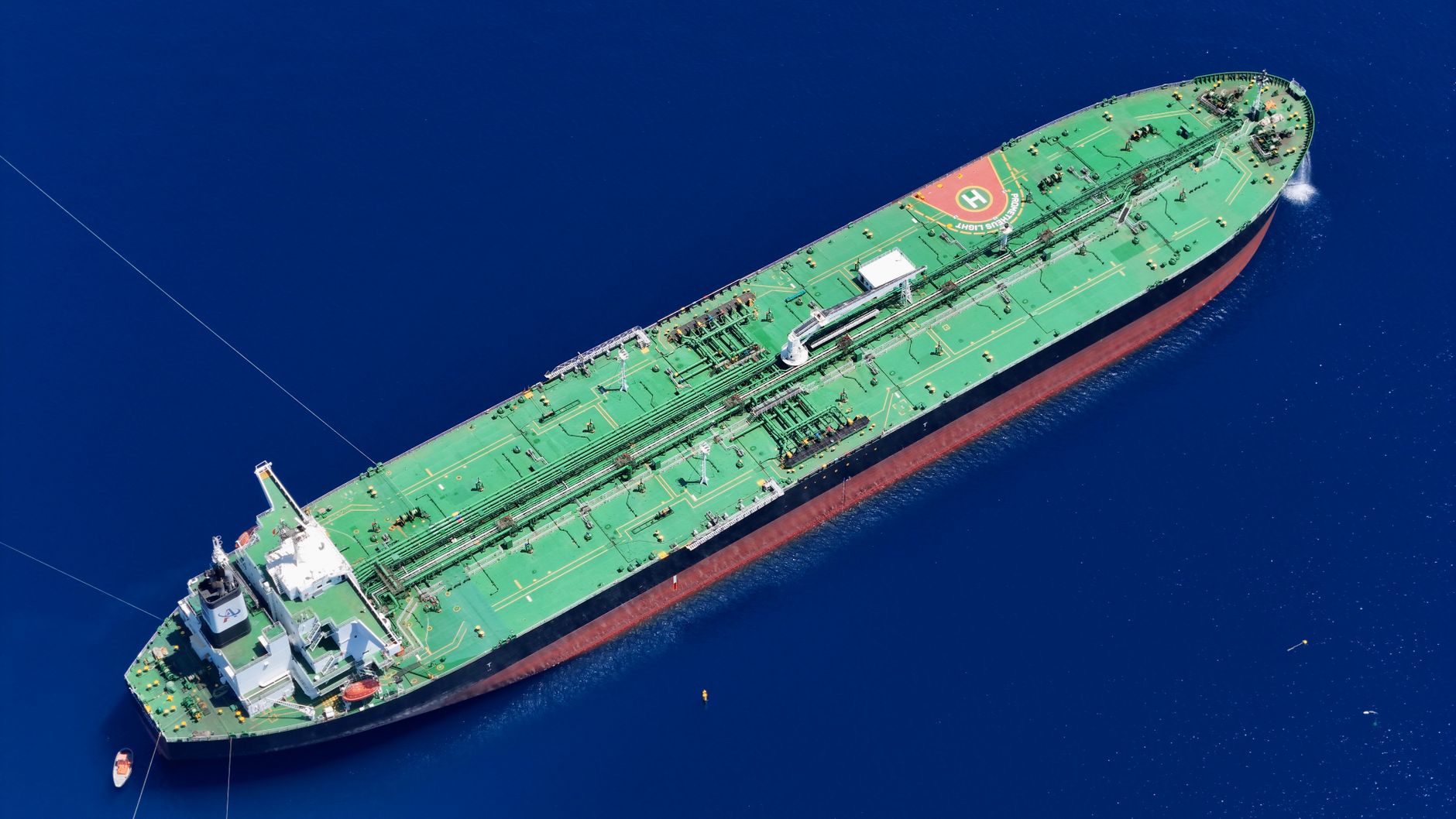
The Strait of Hormuz remains one of the world’s most critical energy chokepoints, with roughly 20 to 21 million barrels of crude oil transiting the narrow waterway each day — equivalent to approximately 20 percent of global petroleum liquids consumption. Any disruption to shipping through the strait, whether triggered by a US naval blockade or Iranian retaliatory action, would have immediate and severe consequences for global energy supply chains, particularly for Asian economies heavily reliant on Gulf crude imports.
Iran itself exports an estimated 1.5 to 1.7 million barrels per day under current conditions, much of it flowing to China despite existing US sanctions. A hard blockade enforced by the US Navy would theoretically cut that volume to near zero and could trigger retaliatory Iranian measures, including threats to mine the strait or target tanker traffic — scenarios that analysts say could push Brent crude above $90 per barrel in a worst-case supply shock. Energy strategists at several major investment banks cautioned, however, that the threat may represent a negotiating posture rather than imminent military action.
Market Reaction Measured but Vigilant
Despite the incendiary language from Washington, the muted price response reflected a degree of market scepticism about whether a full naval blockade would materialise in practice. Trading volumes were moderate during Asian hours, and volatility gauges for crude options remained below the peaks seen during prior Gulf crises. Analysts noted that oil had already priced in a meaningful geopolitical risk premium over recent weeks, limiting the immediate upside from the latest escalation. The steadying of prices also followed a period of softness driven by weaker-than-expected Chinese manufacturing data and rising US crude inventories, which had pushed WTI down roughly 6 percent over the prior two weeks.
The episode arrives at a sensitive moment for global energy markets, where energy price relief had been providing a brief tailwind for consumers in the United States and Europe. A sustained spike in crude driven by Persian Gulf disruption would reverse those gains rapidly, feeding back into headline inflation figures and complicating the policy calculus for central banks that have only recently begun loosening monetary conditions. OPEC+ members outside the Gulf, including Russia and Kazakhstan, would likely benefit from higher prices but lack the spare capacity to offset any significant loss of Iranian or transit supply at short notice. Markets will closely monitor whether formal diplomatic channels reopen in the days ahead, with any sign of renewed negotiations likely to cap the geopolitical premium currently embedded in crude prices.