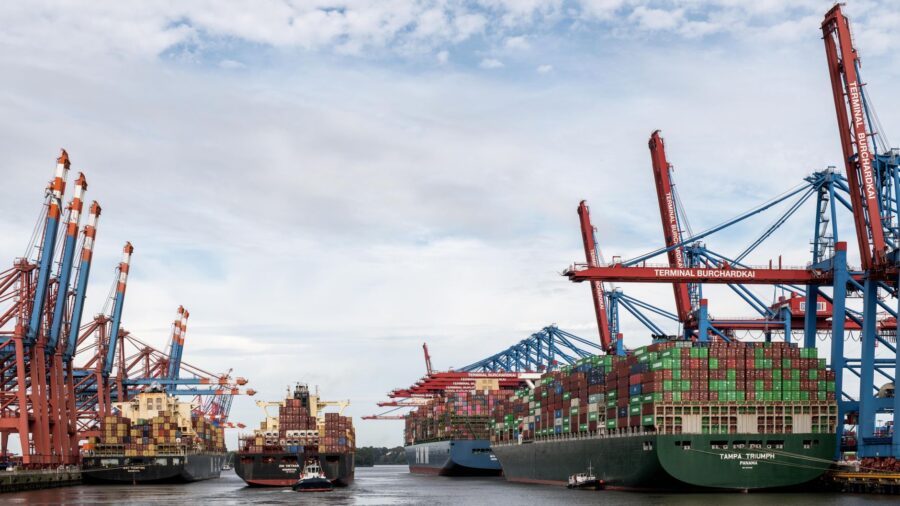
Global shipping markets are bracing for a fresh disruption as Houthi forces in Yemen have intensified drone and missile strikes against commercial vessels transiting the Red Sea, while Tehran continues to press maximalist demands over access to the Strait of Hormuz. The twin pressure points are raising the specter of a supply chain crisis comparable to the one that drove container freight rates to record highs in late 2023 and early 2024, with analysts warning that sustained escalation could once again reroute a significant share of global seaborne trade around the Cape of Good Hope. The developments are detailed in a Fortune analysis published August 11, which frames the renewed campaign as part of a broader Iranian strategic posture across multiple regional theaters. For markets already absorbing the fiscal strain of elevated U.S. borrowing costs — U.S. debt interest is now running at roughly three billion dollars per day according to Congressional Budget Office projections — an oil price shock driven by Hormuz disruption would compound an already fragile macroeconomic backdrop.
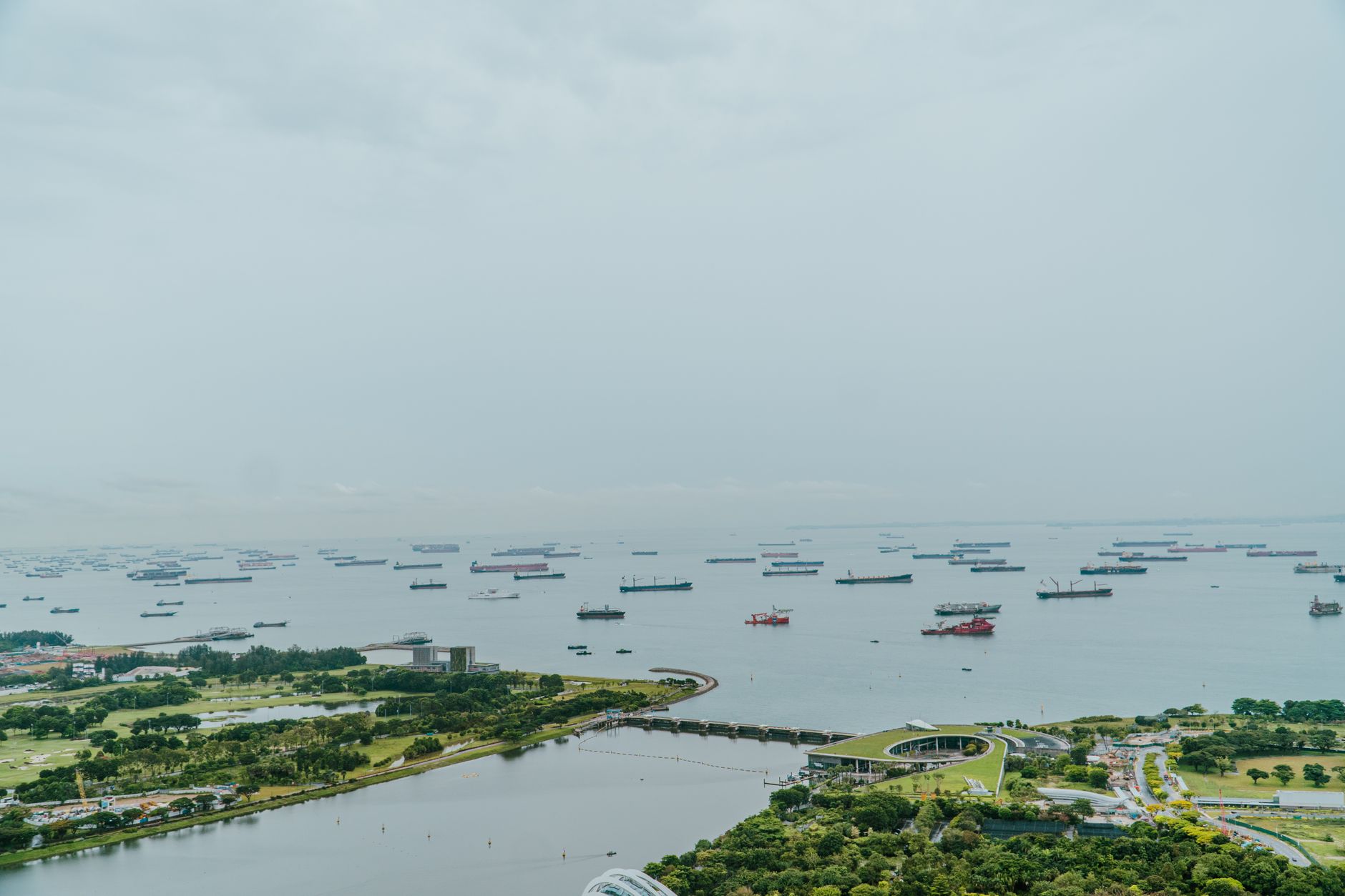
The Houthi campaign, which had partially subsided following intensive U.S. and coalition airstrikes earlier this summer, has resumed with what Western defense officials describe as increased operational sophistication. The group has deployed longer-range drones and anti-ship ballistic missiles, targeting vessels with international insurance and flag registrations that previously provided a degree of informal protection. At least seven commercial ships have been struck or forced to alter course in the past three weeks alone, according to maritime security monitoring firms, pushing war-risk insurance premiums for Red Sea transits up by an estimated 0.6 to 0.9 percentage points of cargo value — a cost that shipping companies have signaled they will pass directly to importers.
Iran’s Proxy Network and the Hormuz Leverage Play
The Houthi escalation does not appear to be operating in isolation. As Iran’s allied militias have demonstrated sustained battlefield utility across Yemen, Iraq, and Lebanon, Tehran has grown more confident in using its network of non-state partners as a negotiating instrument in nuclear and sanctions talks with Western powers. Iranian officials have made explicit references to the country’s ability to restrict or complicate traffic through the Strait of Hormuz — a chokepoint through which approximately 20 percent of the world’s traded oil passes — as leverage in ongoing diplomatic discussions. Analysts at several European energy consultancies estimate that even a partial Hormuz disruption lasting two to three weeks could push Brent crude above 120 dollars per barrel, a level not seen since the supply shock of mid-2022.
The diplomatic picture remains deeply complicated. The U.S. military has conducted more than ten consecutive nights of airstrikes against Houthi infrastructure and Iran-linked assets in the region, as Fortune previously reported, yet the strikes have failed to meaningfully degrade the group’s launch capability. Meanwhile, Saudi Arabia has been quietly assembling support for a new international maritime coalition, seeking commitments from Asian and European navies to escort commercial traffic through the southern Red Sea corridor, according to Al Jazeera reporting from late July. Riyadh’s motivation is partly economic: Saudi crude exports and its ambitious Vision 2030 infrastructure investment program both depend on stable regional shipping lanes.
Market Exposure and the Cost of Prolonged Uncertainty
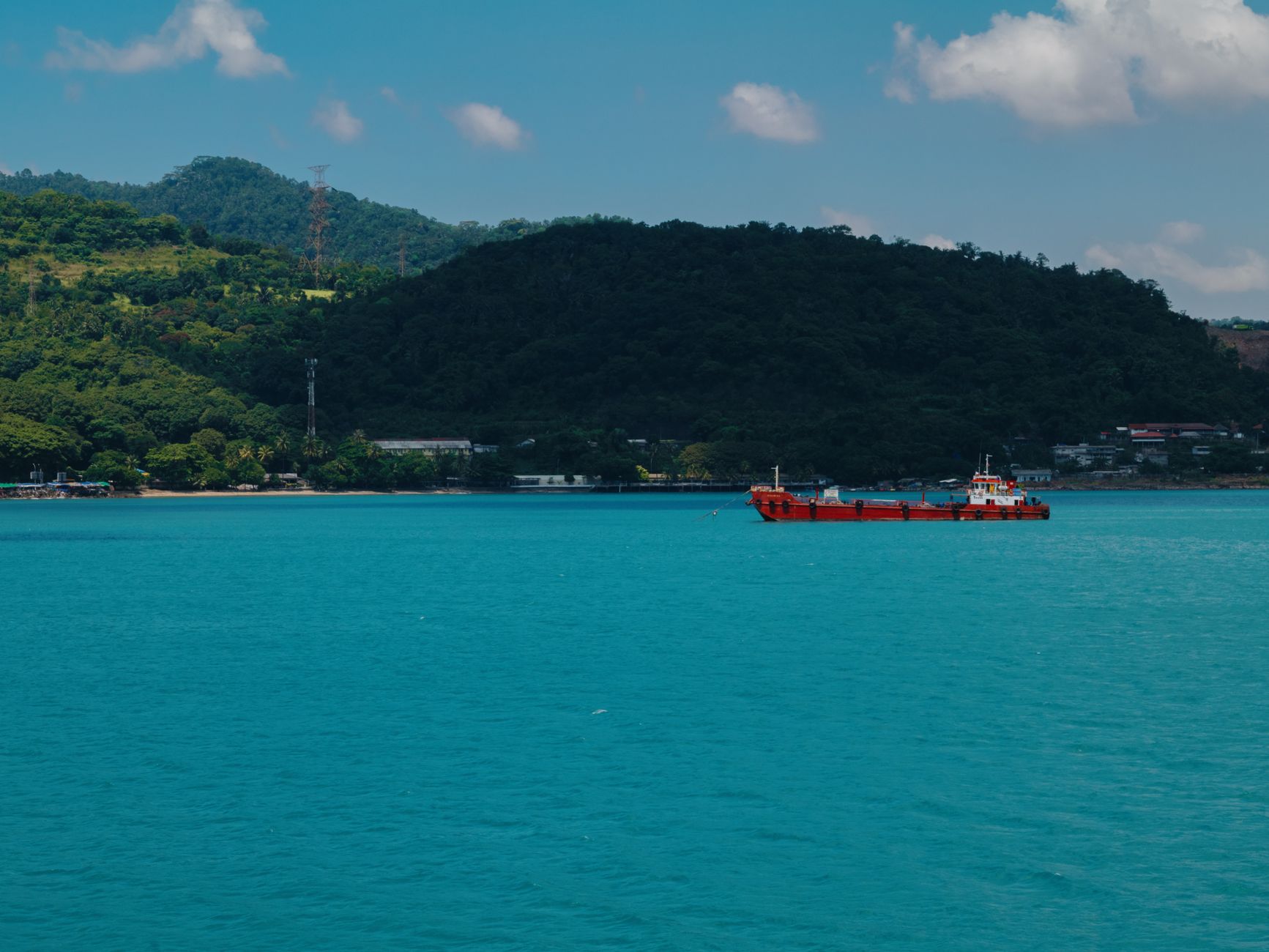
Energy and freight markets have already begun pricing in elevated risk. Baltic Exchange data shows that spot rates for very large crude carriers on Middle East-to-Asia routes have climbed approximately 18 percent since the beginning of August, while several major European container lines have quietly reactivated contingency routing plans that divert traffic away from the Suez Canal. Shipping executives caution that a full return to Cape of Good Hope routing would add eight to twelve days to voyage times on key Asia-Europe corridors, effectively removing a meaningful portion of global vessel capacity from circulation and pressuring freight rates sharply higher.
The longer-term strategic question is whether the United States risks becoming mired in an open-ended military commitment in the region. That concern, explored in depth by DW in a recent feature asking America’s next forever war, is gaining traction among defense economists who note that the per-sortie cost of sustained carrier-based strike operations in the Red Sea runs into the tens of millions of dollars. For corporate treasurers, supply chain officers, and commodity traders, the central question is no longer whether a disruption is possible but how severe and how prolonged it might become. With diplomatic off-ramps narrowing and both the Houthis and Tehran showing few signs of strategic retreat, markets may have little choice but to build a sustained risk premium into energy and freight pricing for the remainder of 2026.