
The United States Treasury is now paying approximately $3 billion per day in interest on the national debt, according to projections from the Congressional Budget Office — a figure that underscores the accelerating fiscal pressure on Washington at a moment when policymakers are simultaneously spending billions to stabilize foreign currency markets. The Fortune report published August 11, 2026, places that daily burden in stark relief against a parallel intervention: the U.S. spending an estimated $10 billion to support the Japanese yen, the currency of its single largest foreign creditor. The convergence of these two pressures is drawing renewed scrutiny to the structural vulnerabilities embedded in America’s public finances, concerns that align with earlier signals documented in U.S. employment data pointing to broader economic fragility.
Annualized, the CBO’s figures translate to more than $1 trillion in interest expenditure for the current fiscal year — a sum that now rivals discretionary spending categories including defense and exceeds total federal outlays on Medicaid. With the federal debt load standing above $36 trillion, even modest upward movements in benchmark interest rates compound the cost dramatically. The Treasury’s reliance on short-duration rollover financing means that rate sensitivity is not a distant risk but an immediate operational reality, with hundreds of billions in notes and bills maturing and being refinanced each quarter at prevailing market rates.

The Yen Intervention and Its Strategic Paradox
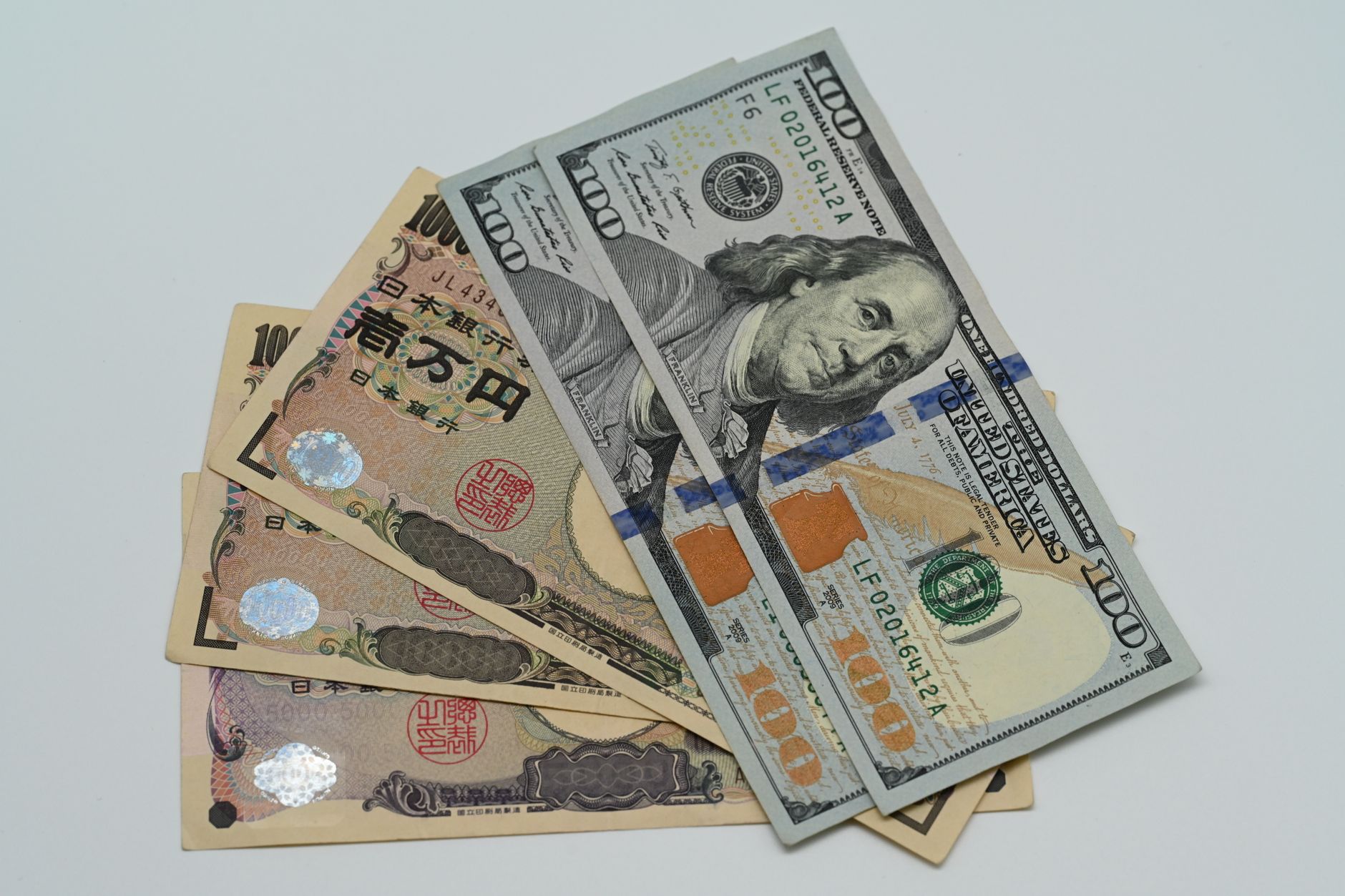
The decision to deploy approximately $10 billion in support of the Japanese yen presents a layered strategic paradox. Japan remains the largest single foreign holder of U.S. Treasury securities, with its holdings consistently exceeding $1.1 trillion. A sharp yen depreciation triggers yen carry-trade unwinds, in which investors who borrowed cheaply in yen to purchase higher-yielding dollar assets are forced to liquidate those positions — including U.S. Treasuries — to repay yen-denominated obligations. The resulting sell pressure on U.S. government bonds pushes yields higher, directly inflating the interest costs that the CBO is now measuring at $3 billion per day.
In effect, Washington finds itself in a self-reinforcing loop: rising U.S. yields weaken the relative appeal of yen-denominated assets, encouraging further yen depreciation, which in turn accelerates carry-trade unwinds and adds upward pressure to Treasury yields. Intervening to stabilize the yen is therefore not merely a gesture of bilateral financial goodwill but an act of domestic fiscal self-preservation. The $10 billion deployed in currency markets is, in that framing, a cost incurred to prevent a potentially larger increase in annual debt servicing expenses — though critics argue the intervention addresses symptoms rather than the underlying debt trajectory.
Debt Trajectory and the Limits of Fiscal Maneuver
The CBO’s projections carry significant forward-looking implications. Under current law, the office has previously estimated that federal deficits will average well above $2 trillion annually through the end of the decade, with interest payments consuming a growing share of every dollar collected in tax revenue. The debt-to-GDP ratio, already above 120 percent by some measures, is expected to continue climbing absent legislative action on either revenue or mandatory spending — and the political appetite for either remains limited in the current congressional environment.
Market participants are watching these dynamics closely. A sustained rise in Treasury yields driven by supply-demand imbalances — particularly if foreign central bank demand softens — could compress the fiscal space available to the administration and force difficult choices between debt management and discretionary investment. The yen intervention episode illustrates how interconnected those pressures have become: currency stability in Tokyo now has a measurable and near-immediate bearing on the cost of financing the U.S. government in Washington. For investors and policymakers alike, the $3 billion daily interest figure is less a data point than a countdown, one that grows louder with each basis-point move in benchmark rates.