
The economics of electricity generation have undergone a structural shift that analysts say is now difficult to reverse. The cost of building and operating new utility-scale solar installations has fallen below the marginal operating cost of existing coal and, in many cases, natural gas plants across a broad range of global markets — a milestone that fundamentally reorders the investment calculus for energy producers, utilities, and governments alike. As covered in a Yahoo Finance report, solar has crossed what many economists describe as a critical tipping point, one that is expected to accelerate the retirement of legacy fossil infrastructure well ahead of previous forecasts.
The implications stretch far beyond the energy sector. Capital allocation decisions in infrastructure, manufacturing, and even sovereign debt markets are increasingly being shaped by the recognition that solar is no longer an aspirational technology requiring subsidy scaffolding — it is the cheapest form of new power generation available at scale in most of the world. That shift carries consequences for commodity exporters, regional electricity grids, and the trade policy landscape that governs the global supply chains underpinning panel manufacturing.
The Numbers Behind the Threshold
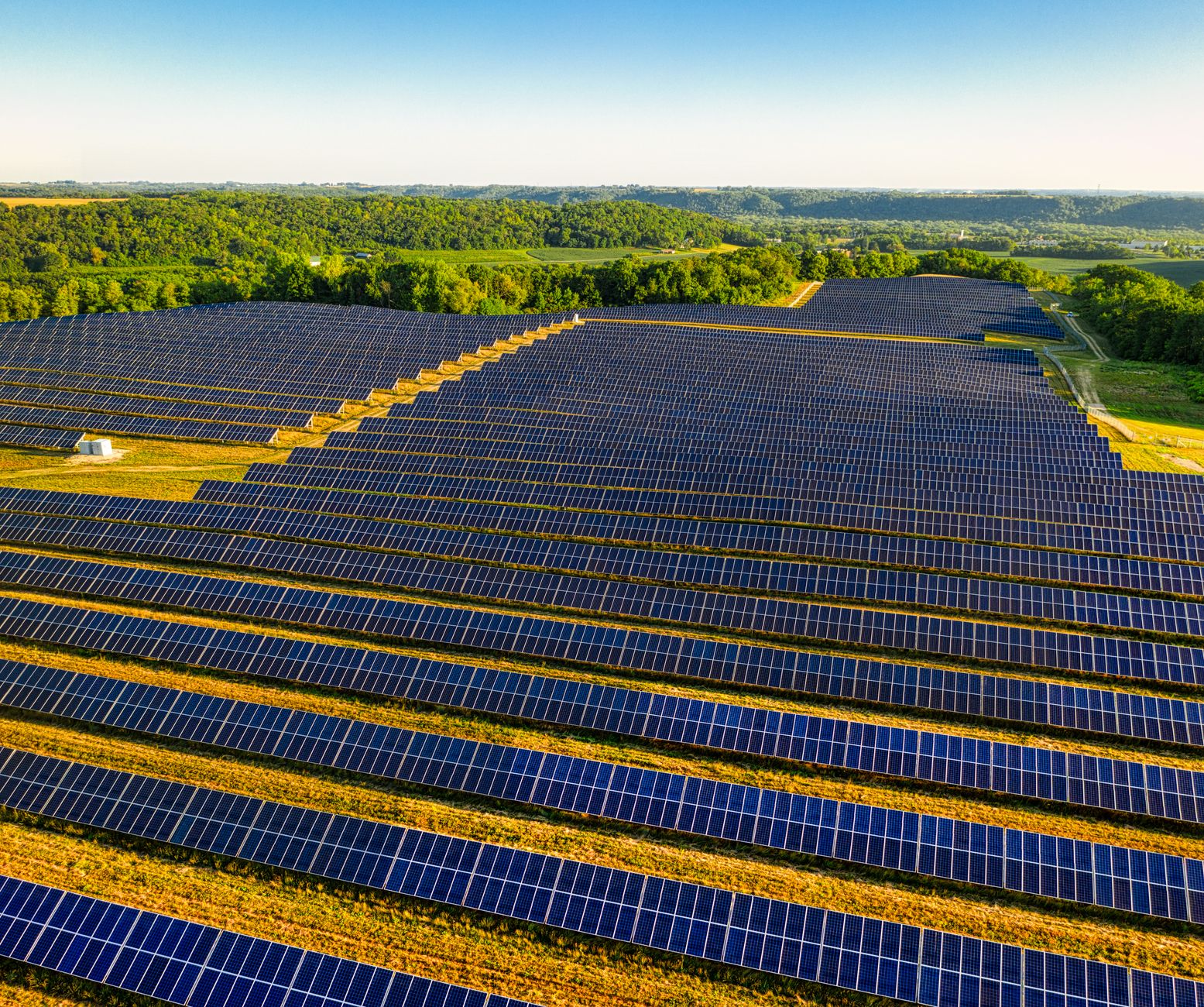
The levelized cost of energy from new solar projects has declined by more than 90 percent over the past fifteen years, according to widely cited industry benchmarks. In 2010, utility-scale solar cost roughly $350 per megawatt-hour to produce. By 2024, that figure had dropped to approximately $30 to $45 per megawatt-hour in sunbelt regions, with some competitive auction results in the Middle East, India, and the American Southwest coming in below $20 per megawatt-hour. Those numbers now sit comfortably beneath the $50 to $80 per megawatt-hour range that many aging coal facilities require simply to cover their fuel and operational expenses, before any capital recovery is considered.
This cost inversion is not confined to a handful of high-irradiance markets. Analysts note that even in less favorable climates — parts of northern Europe, the upper Midwest in the United States, and portions of East Asia — the economics are moving in the same direction, aided by improvements in panel efficiency, declining balance-of-system costs, and increasingly competitive financing. Battery storage, once cited as solar’s Achilles heel for grid reliability, has also fallen sharply in price, with four-hour storage systems now routinely paired with solar at combined costs that still undercut fossil alternatives in many tender processes.
What the Tipping Point Means for Capital Markets
For investors, the shift creates both opportunity and disruption in roughly equal measure. Utilities that have delayed fleet transitions now face stranded asset risk that ratings agencies are beginning to quantify more aggressively. Moody’s and S&P have both flagged coal-heavy balance sheets as carrying elevated long-term credit risk, and several regional utilities in the United States and Southeast Asia have seen their borrowing costs reflect that concern. Conversely, independent power producers with significant solar pipelines are attracting institutional capital at a pace that would have been difficult to predict even five years ago.
The transition also intersects with broader questions about retirement security and long-duration asset allocation. Pension funds and endowments, already reassessing their infrastructure weightings, are increasingly treating solar and renewable energy infrastructure as a fixed-income proxy — an income-generating, inflation-linked asset class with a multi-decade demand floor. That framing has brought categories of capital into the sector that historically sat on the sidelines, and it mirrors broader debates about how non-traditional assets fit into portfolio construction, echoing discussions around alternative instruments examined in analyses of retirement portfolio diversification.
Policy risk remains the principal caveat. Tariff structures on solar panel imports — particularly those affecting Chinese-manufactured components that still dominate global supply — could raise project costs and compress returns on new builds. Grid interconnection bottlenecks in markets like the United States and Germany are also delaying the pace at which new solar capacity can be absorbed, creating a gap between economic viability and practical deployment. Even so, the directional trajectory is widely viewed as locked in. The question for capital markets is no longer whether solar wins on cost, but how quickly the rest of the energy system can reorganize around that reality.