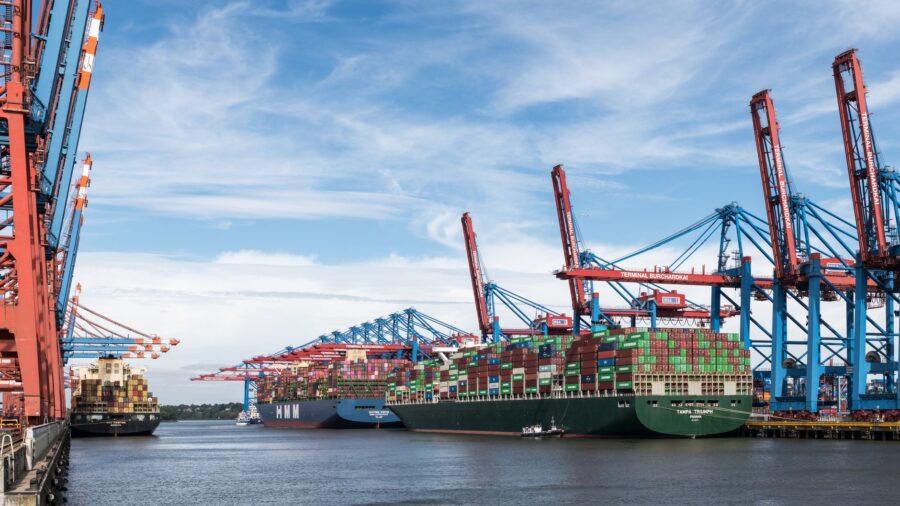
Saudi Arabia has formally activated a multilateral maritime security alliance aimed at stabilising the Red Sea corridor, one of the world’s most strategically critical shipping lanes, after months of heightened instability that has added billions of dollars in costs to global supply chains. The announcement, Al Jazeera reported, marks the operational start of a framework that Riyadh has been quietly assembling since early 2026, drawing in a coalition of Arab and East African coastal states with overlapping economic interests in keeping the waterway open. For context on how Iranian naval tensions have already rattled energy markets upstream, the geopolitical stakes extending across the broader region are considerable.
The Red Sea handles an estimated 12 to 15 percent of global maritime trade annually, channelling tankers, container vessels, and bulk carriers between Asia, Europe, and East Africa through the Bab el-Mandeb strait. Sustained disruptions since late 2023 have pushed average container freight rates from the Gulf to Northern Europe up by as much as 180 percent at peak periods, forcing carriers to reroute around the Cape of Good Hope and adding roughly ten to fourteen days to transit times. The cumulative cost impact on global goods trade has been measured in the tens of billions of dollars, with insurers raising war-risk premiums sharply for vessels transiting the zone.
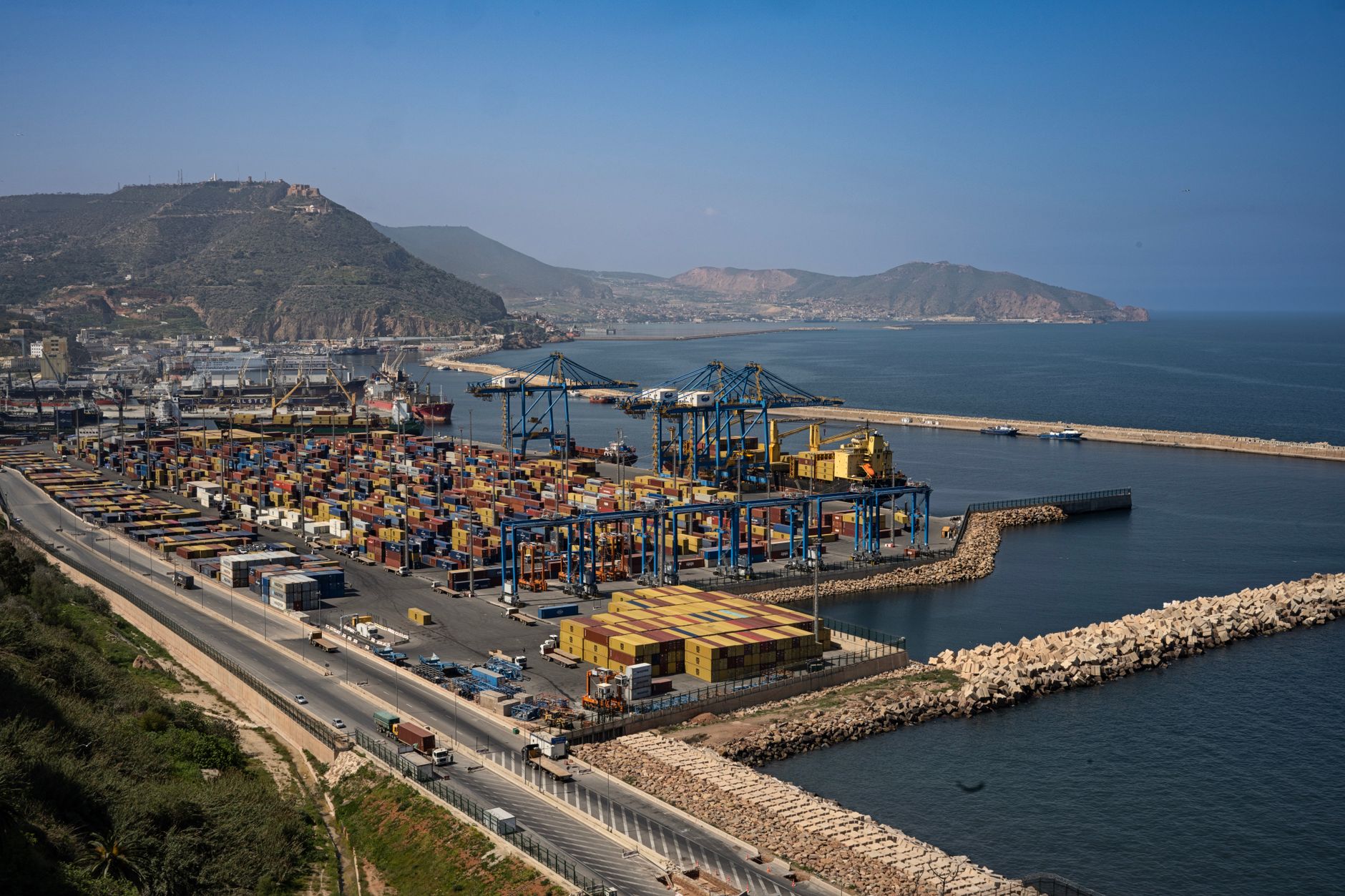
Structure, Members, and the Question of Military Reach
According to Al Jazeera coverage from July, the alliance framework includes naval intelligence-sharing protocols, joint patrol coordination, and a rapid-response communication network linking member states’ maritime commands. Saudi Arabia, Egypt, Jordan, Djibouti, Somalia, and Yemen’s internationally recognised government are among the reported participants, though the precise commitments each member has made in terms of assets and funding remain opaque. Analysts note that several prospective members face severe constraints: Somalia’s naval capacity is minimal, and Yemen’s recognised government controls only a fraction of the country’s coastline.
The alliance does not include the United States, the United Kingdom, or any NATO member in a formal capacity, distinguishing it structurally from Operation Prosperity Guardian, the US-led maritime task force that has operated in the same waters. Observers at regional think tanks have characterised the new bloc as a complement to, rather than a replacement for, Western naval presence, designed partly to give Gulf states greater ownership over a security architecture that directly underpins their oil export revenues. Saudi Aramco ships a significant portion of its crude through Red Sea terminals, making the kingdom’s commercial interest in a stable corridor self-evident.
Economic Credibility and the Path to Deterrence
The alliance’s financial underpinning is perhaps the most pressing open question. Effective maritime security operations require sustained investment in patrol vessels, intelligence infrastructure, and maintenance — costs that smaller member economies cannot absorb without Saudi or Gulf Cooperation Council subsidy arrangements. Riyadh has not disclosed a formal defence budget allocation for the alliance, and the absence of transparent funding commitments has led several shipping industry groups to adopt a cautious stance, with some major carriers indicating they will not alter their Cape of Good Hope rerouting strategies until the alliance demonstrates sustained operational capability over a period of at least six months.
The deterrence calculation is also complicated by the nature of the threat. The Houthi movement in Yemen, which has been responsible for the majority of vessel attacks and drone-and-missile incidents in the corridor since late 2023, is not a conventional naval actor susceptible to standard patrol-based interdiction. Analysts argue that without a political resolution to Yemen’s conflict, any maritime security alliance faces an inherent ceiling on its effectiveness regardless of the assets it deploys. Saudi Arabia’s own protracted involvement in Yemen makes its role as alliance convenor a source of both credibility and political complexity in equal measure.
Financial markets have responded to the announcement with measured attention rather than any dramatic repricing of risk assets. Brent crude edged marginally higher in early trading on the news, reflecting residual sensitivity to Red Sea headlines, but freight derivative markets showed little immediate movement, suggesting traders are waiting for evidence of operational impact before adjusting positions. The alliance’s true test will come not from the formality of its launch but from whether it can meaningfully reduce incident frequency in the corridor over the coming quarters — a metric that shipping insurers, container lines, and energy traders will be watching with considerable commercial interest.