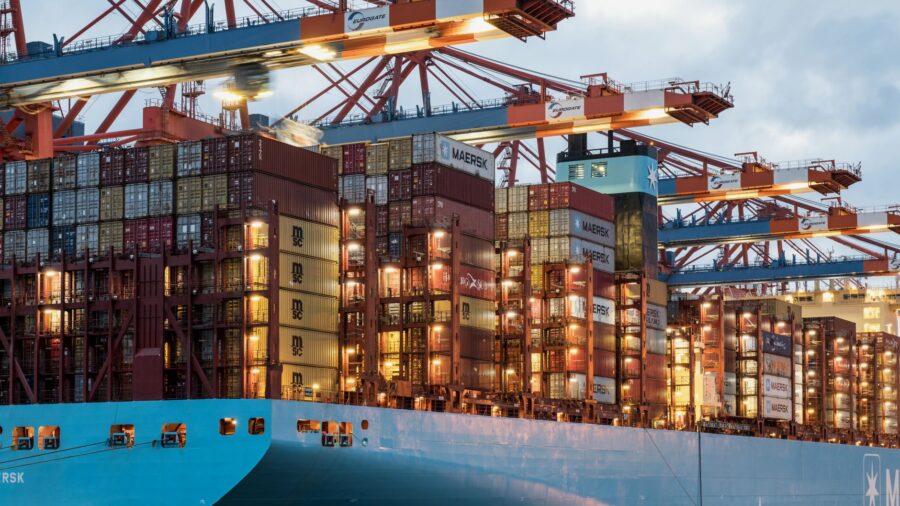
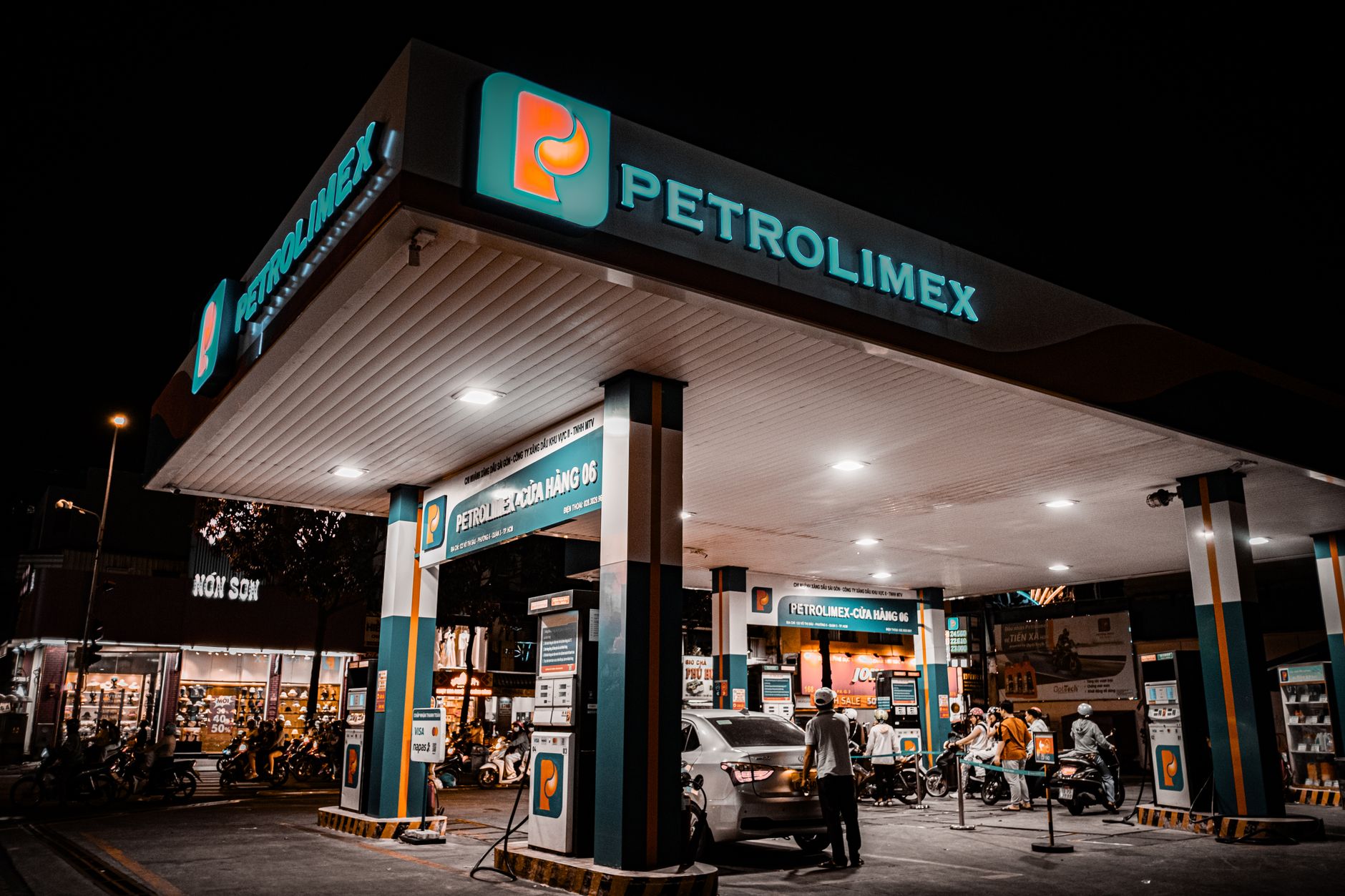
Iran’s government has signalled an imminent and significant increase in domestic fuel prices, moving to reduce heavily subsidised pump rates just hours before a fresh package of American economic sanctions is set to take effect. The announcement, reported by Al Jazeera on 23 August 2026, has rattled domestic markets and reignited fears of the kind of civil unrest that followed the last major subsidy reform in 2019, when fuel prices were raised by as much as 300 percent overnight and protests swept dozens of Iranian cities. For context on Washington’s broader strategy, earlier reporting on the Iran sanctions package outlined the Treasury’s intent to target energy revenues specifically.
Senior officials in President Pezeshkian’s administration have confirmed that a tiered pricing structure is under active consideration, one that would retain a baseline subsidised quota for low-income households while raising prices sharply for consumption above that threshold. Analysts tracking Iranian fiscal policy estimate that fuel subsidies currently cost the government between $15 billion and $20 billion annually, a burden that has become increasingly difficult to sustain as oil export revenues have been compressed by successive rounds of US pressure and the rial has lost more than 60 percent of its value against the dollar over the past two years.
Fiscal Pressure Reaches a Breaking Point
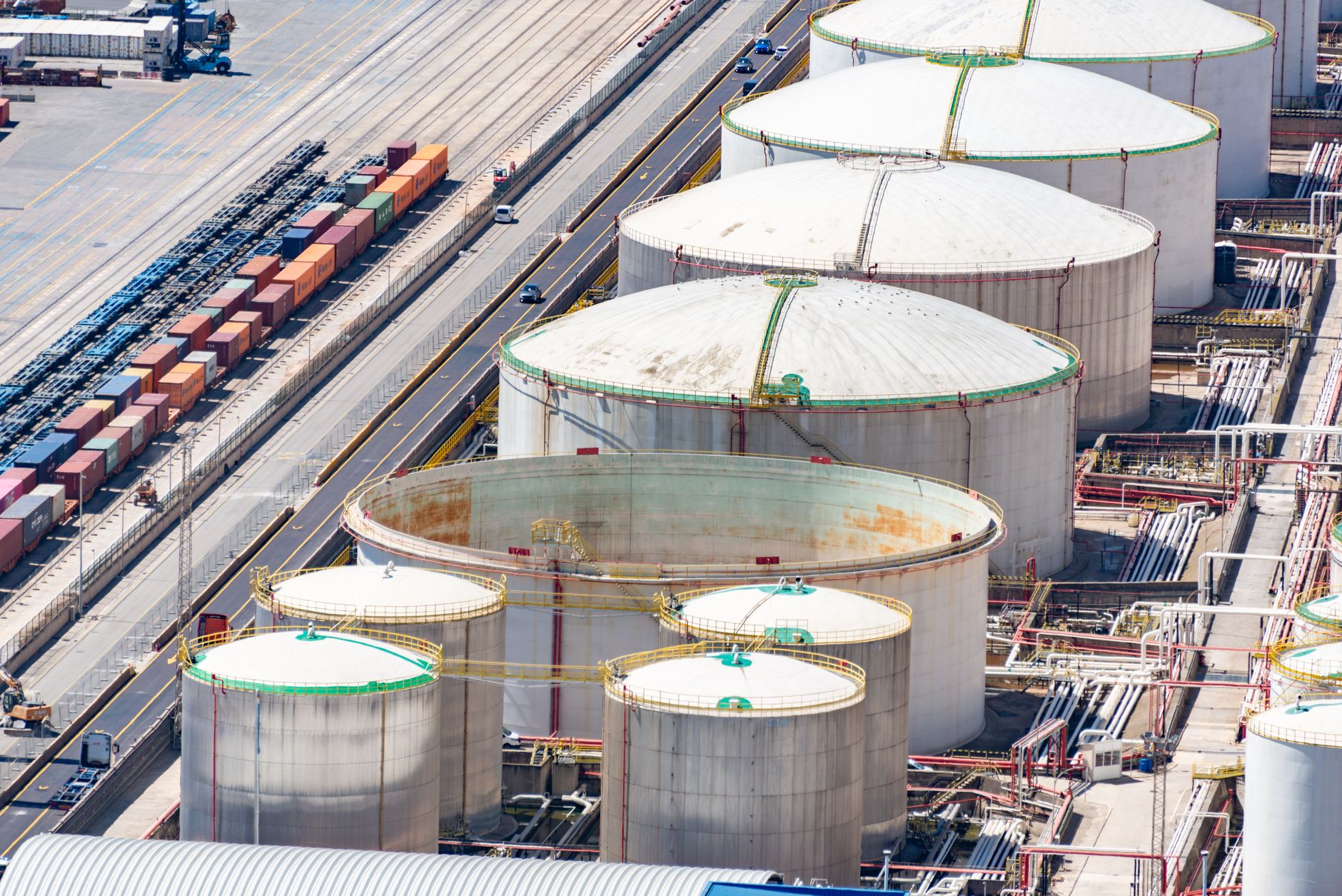
The timing of the announcement is not coincidental. According to DW reporting on Iran’s deepening fuel crisis, domestic petrol consumption has surged to record levels partly because artificially low prices have encouraged widespread fuel smuggling into neighbouring countries including Pakistan, Afghanistan, and Iraq, depriving Tehran of foreign currency earnings it can ill afford to lose. Officials estimate that illicit cross-border fuel flows cost the government upward of $4 billion per year in lost revenue, a figure that has climbed steadily as the price differential between Iranian pump rates and regional market prices has widened.
The government appears to be calculating that the economic pain of maintaining the status quo now outweighs the political risk of a price adjustment. Iran’s inflation rate has remained above 40 percent for much of the past eighteen months, eroding real household incomes and reducing the effective value of subsidies in any case. Budget deficit projections for the current Iranian fiscal year are running at approximately 8 percent of gross domestic product, a level that most economists view as unsustainable without either significant spending cuts or new revenue measures. A fuel price reform that brings domestic rates closer to regional benchmarks could, on government estimates, generate an additional $10 billion to $12 billion in annual budget revenue.
Sanctions Escalation Adds an Explosive External Variable
The domestic fiscal calculus is being complicated by simultaneous external shocks. The new US sanctions package, due to take effect on 24 August, is understood to target third-party financial institutions that facilitate Iranian crude oil transactions, in what Washington has described as an effort to close remaining loopholes in its maximum pressure campaign. Iran’s energy export alliances with China and India have already come under strain as secondary sanctions risk has deterred some smaller refiners and trading houses from maintaining Iranian supply arrangements, tightening Tehran’s access to hard currency at precisely the moment when domestic economic pressures are most acute.
The geopolitical backdrop has grown considerably darker in recent days. Separate DW coverage of a US military strike on Iranian targets underscores the degree to which economic and security pressures are now converging on Tehran simultaneously, reducing the government’s room for manoeuvre on every front. Financial markets in the region have reacted with caution, with the Dubai benchmark equity index declining 1.4 percent in early trading on 23 August and Brent crude edging higher on supply disruption concerns.
For ordinary Iranians, the prospect of a sharp fuel price increase arriving in tandem with new sanctions represents a compounding of hardships that has already stretched household budgets to their limits. Civil society observers and opposition figures inside Iran have warned that the government is underestimating the potential for social unrest if the subsidy reform is implemented without adequate compensatory cash transfer mechanisms for lower-income groups. The government, for its part, has insisted that any price adjustment will be accompanied by expanded direct payments to the most vulnerable segments of the population, though specific figures and timelines have yet to be confirmed publicly.