
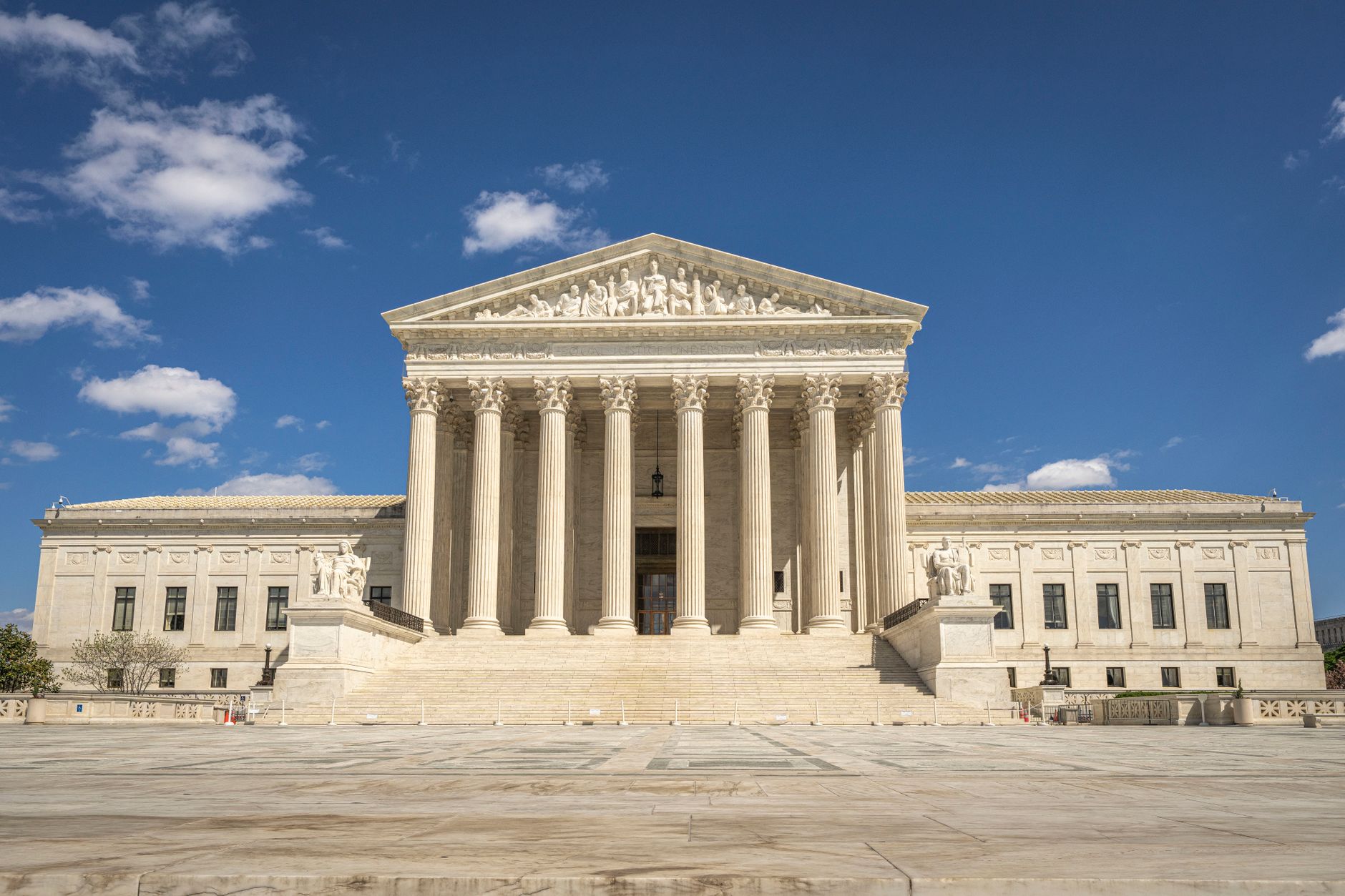
Treasury Secretary Scott Bessent is preparing to formally announce a comprehensive sanctions package targeting Iran at a scheduled press conference, marking a significant escalation in the Trump administration’s campaign to economically isolate Tehran. The measures, which are expected to extend well beyond existing oil and financial restrictions, come as American officials frame the effort as the broadest coordinated economic pressure campaign mounted against Iran in more than a decade. Analysts tracking the Iran sanctions landscape warn the new measures could have far-reaching consequences for global energy flows and allied trading relationships.
The announcement follows weeks of internal planning that, according to a Business Standard report, had the Trump administration preparing a structured economic isolation plan targeting Iranian energy revenues, third-party financial intermediaries, and front companies operating across Southeast Asia and the Gulf. Treasury officials have indicated the new designations will cover entities in at least eight jurisdictions, with secondary sanctions provisions designed to penalize any foreign financial institution that continues to facilitate transactions with blacklisted Iranian counterparties.
Scope of Sanctions and Market Implications
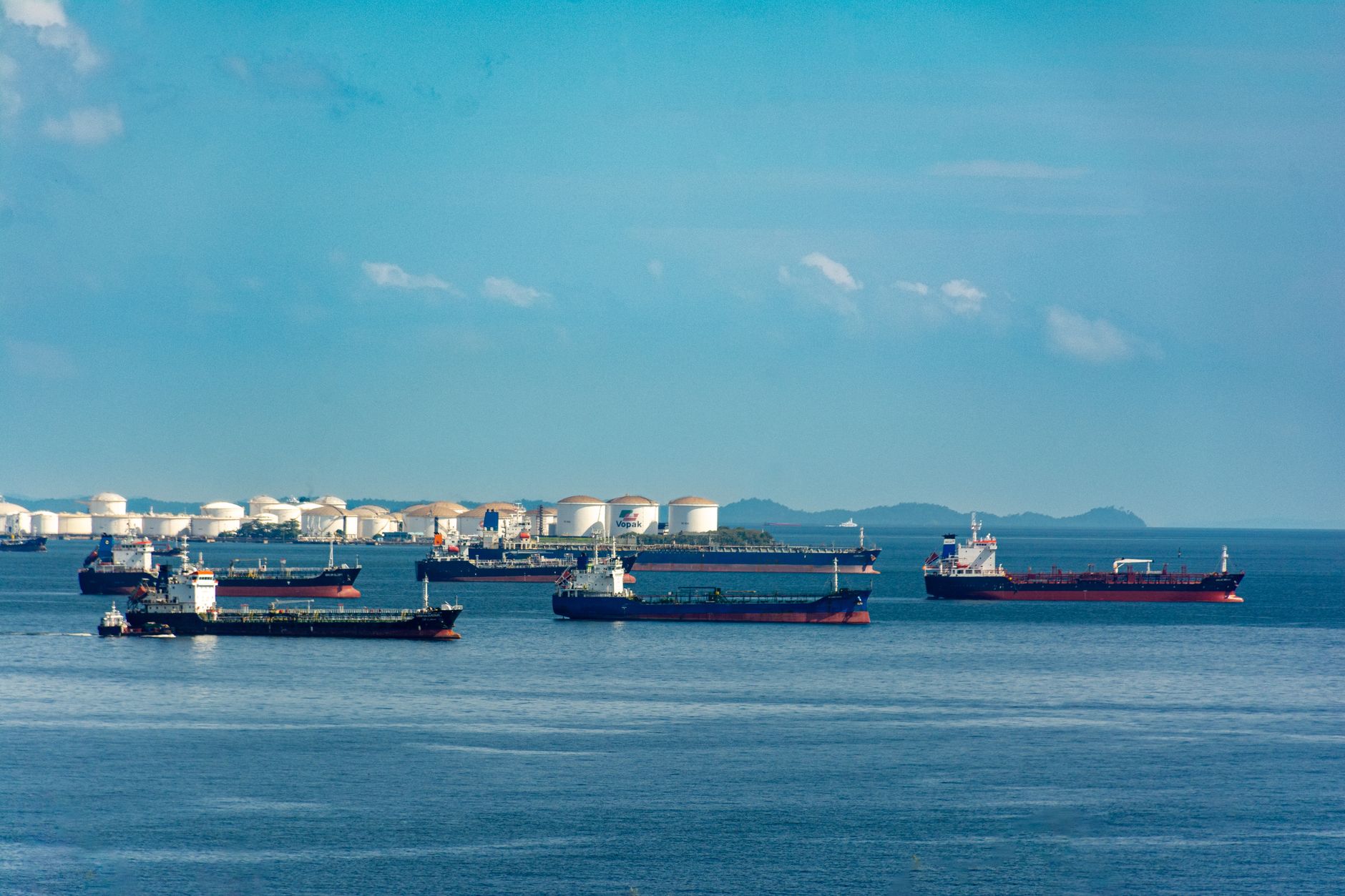
The forthcoming package is expected to include asset freezes and transaction bans targeting Iranian petrochemical exporters, shipping companies, and the network of intermediary traders that have helped Tehran circumvent earlier rounds of restrictions. Oil market analysts estimate that a fully enforced sanctions regime could remove between 400,000 and 600,000 barrels per day of Iranian crude from accessible markets, a volume sufficient to exert meaningful upward pressure on Brent crude prices, which have already risen approximately 6 percent over the past three weeks in anticipation of the announcement.
The administration has also signaled intent to invoke executive authority to restrict dollar-clearing access for foreign banks found to be in violation of the new rules, a mechanism that proved effective during the 2018 maximum pressure campaign when Iranian oil exports fell from roughly 2.5 million barrels per day to below 400,000 barrels per day within eighteen months. Whether similar enforcement intensity can be sustained this time remains a subject of debate among sanctions compliance professionals, particularly given the expanded role of non-dollar settlement channels since 2018. Prior Iran sanctions pressure has already tested the resilience of energy alliances with China and India, both of which have deepened yuan-denominated oil trade with Tehran in recent years.
Tehran’s Defiance and the Retaliation Question
Iranian officials have publicly dismissed the sanctions threat as a form of economic warfare that will ultimately fail to alter the country’s strategic posture. A senior Iranian security official, cited by Fortune, stated that any nation joining the United States in its economic campaign against Tehran would face retaliation in what he described as a seismic manner, without specifying which retaliatory instruments Iran would deploy. The language signals that Tehran views participation by third countries not merely as a diplomatic irritant but as a hostile act warranting a substantive response.
The threat raises a separate and commercially significant question about the exposure of countries that might align with Washington’s new sanctions framework. As Al Jazeera English has examined in depth, Iran retains several asymmetric instruments including proxies across the Middle East, influence over regional shipping lanes, and the ability to disrupt energy infrastructure in neighboring states. For multinational energy companies and financial institutions weighing compliance decisions, that threat calculus adds a layer of operational risk that extends well beyond regulatory exposure.
Diplomatic prospects for defusing the standoff remain limited. Reporting from Bloomberg indicates that US-Iran peace prospects have deteriorated sharply, with the Trump administration showing little urgency in pursuing a negotiated settlement and tensions in the Gulf having already prompted Washington to issue pointed warnings to Oman, a traditional diplomatic back-channel between the two governments. With Bessent’s press conference expected to set the formal legal and regulatory architecture for the new campaign, market participants, compliance officers, and foreign finance ministries will be closely analyzing the precise scope of designations and the timeline for enforcement to determine how aggressively the Treasury Department intends to pursue violations. CNBC first reported the details of the planned announcement in an article titled “Treasury Secretary Bessent Iran Sanctions Press Conference.”