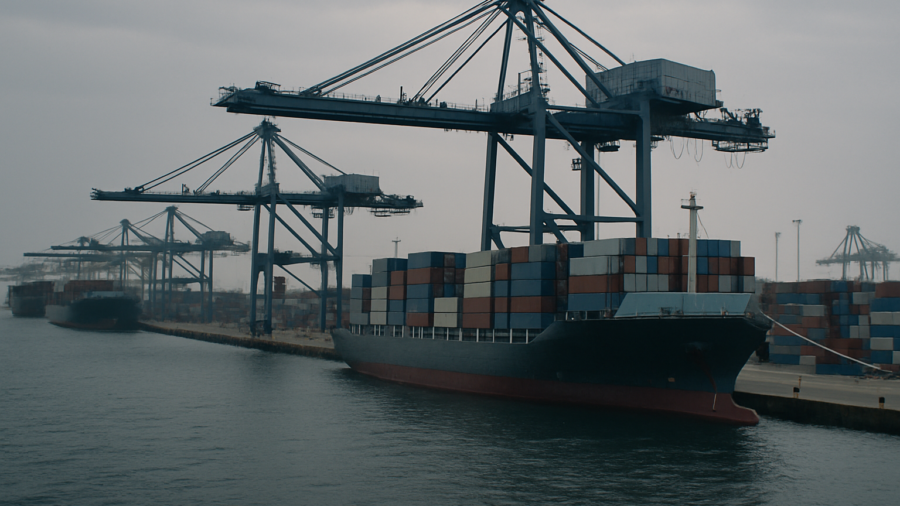
Traders on the prediction market platform Kalshi have shifted their expectations for a return to normal shipping traffic through the Strait of Hormuz well beyond the current calendar year, with the consensus now pointing to 2027 at the earliest. The development, first reported by CNBC markets, marks a significant deterioration in sentiment around one of the world’s most strategically critical maritime chokepoints, through which an estimated 20 percent of global oil supplies pass on any given day.
The latest positioning on Kalshi reflects a broader reassessment among market participants who had previously priced in a modest recovery by late 2026. That timeline has now been abandoned following what traders are describing as a fresh setback to diplomatic and logistical efforts to stabilize the waterway. While the platform does not disclose individual contract volumes, the directional shift in probability pricing has been sharp enough to attract attention from energy analysts and institutional risk desks alike.
Energy Markets Absorb Prolonged Uncertainty
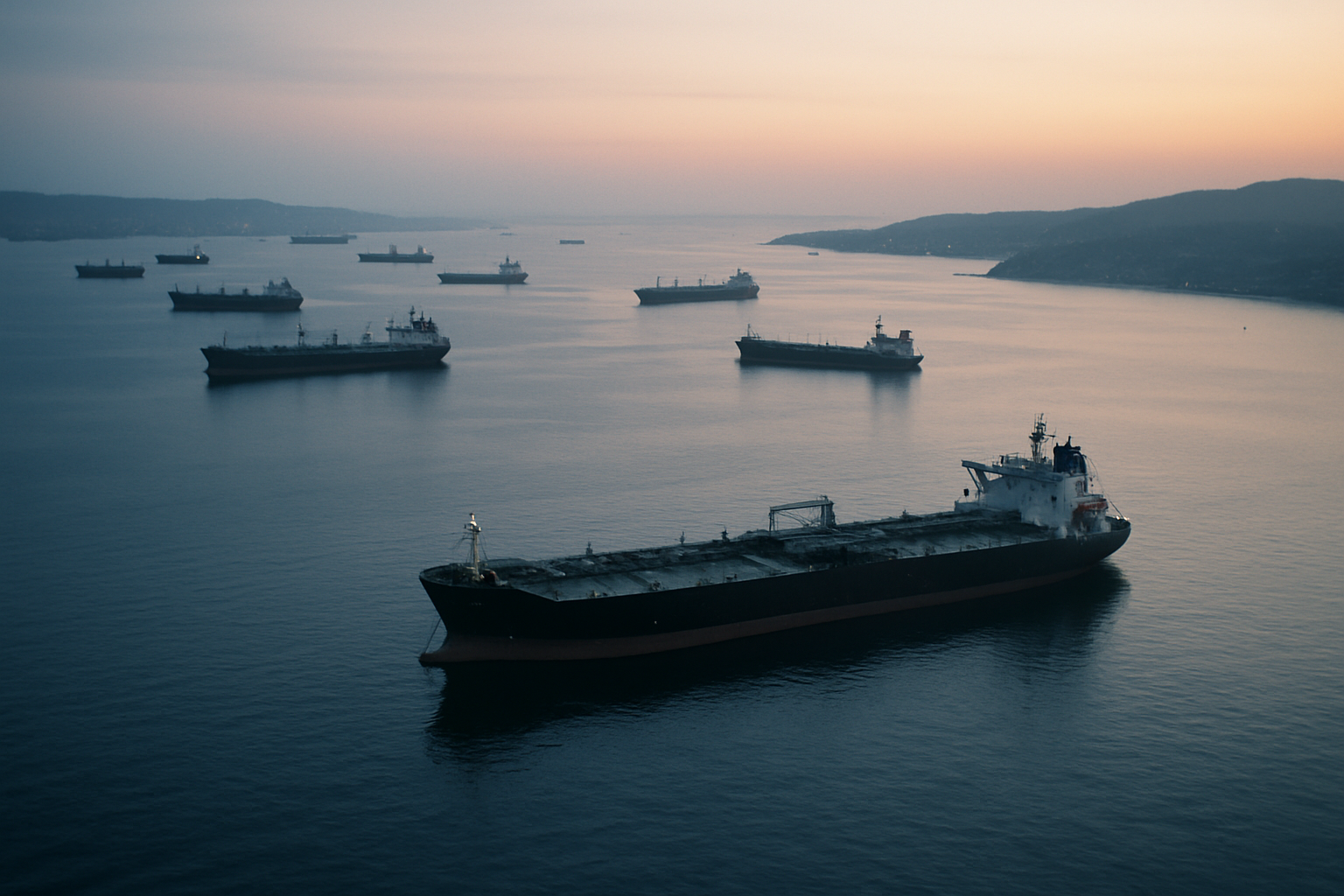
The repricing on Kalshi has immediate implications for global energy markets. Brent crude has remained volatile in recent weeks as traders weigh the compounding effects of reduced tanker throughput, higher insurance premiums for vessels transiting the region, and ongoing rerouting costs that have added days and hundreds of thousands of dollars per voyage to journeys that would normally pass through the strait without incident. Freight derivatives tied to the Persian Gulf route have reflected similar stress, with some forward contracts pricing in elevated risk premiums through at least the first half of 2027.
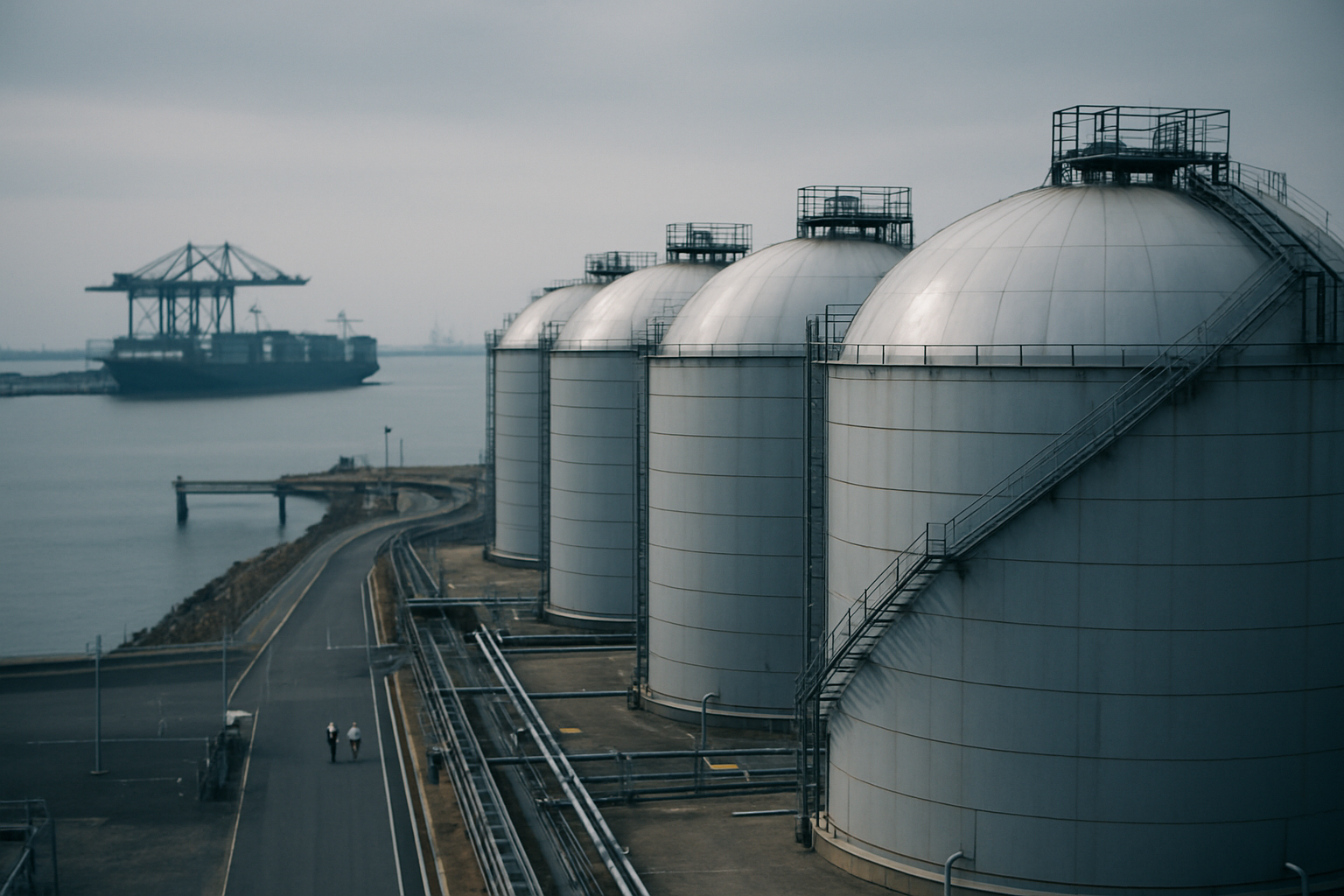
Analysts note that the economic cost of a prolonged disruption extends well beyond crude oil. Liquefied natural gas shipments from Qatar, one of the world’s largest LNG exporters, also transit the strait, adding a further layer of complexity for European and Asian buyers already navigating tight energy balances. Any sustained reduction in throughput capacity stands to tighten global supply curves at a moment when demand from emerging markets remains robust and strategic petroleum reserve levels in several major economies are below their five-year averages.
Prediction Markets as a Forward Indicator
The use of prediction markets to gauge geopolitical and logistical risk has gained significant traction among institutional investors over the past two years, with platforms such as Kalshi offering contract-based probability estimates on events ranging from central bank decisions to shipping lane disruptions. The Hormuz contracts represent one of the more closely watched geopolitical instruments currently active on the platform, with implied probabilities shifting materially in the days following each reported incident in the region.
The current market-implied probability of normal traffic resuming before the end of 2026 has fallen to a level that most traders now consider negligible, according to CNBC’s reporting. The weighting has instead concentrated around a mid-2027 resolution window, though a non-trivial share of contract positioning suggests the disruption could extend even further. For investors tracking energy sector equities, shipping stocks, and rate-sensitive commodity plays, the recalibration adds a new layer of duration risk to portfolios that had been positioned for a nearer-term normalization. Readers following broader market sentiment indicators may also find relevant context in Nasdaq-100 forecasts derived from the same prediction market ecosystem.
The longer-term macroeconomic read-through is equally significant. Persistently elevated energy transport costs function as a slow-moving inflationary input, affecting everything from manufacturing margins to consumer fuel prices. Central banks in Europe and Asia, which had begun to ease monetary policy in anticipation of softening energy prices, may find their calculations complicated by a disruption that now appears structural rather than transitory. For a broader view of how inflationary pressures are being absorbed at the retail level, the recent coverage of Walmart price shifts offers a useful domestic counterpoint to the global supply-side dynamics at play in the Gulf.