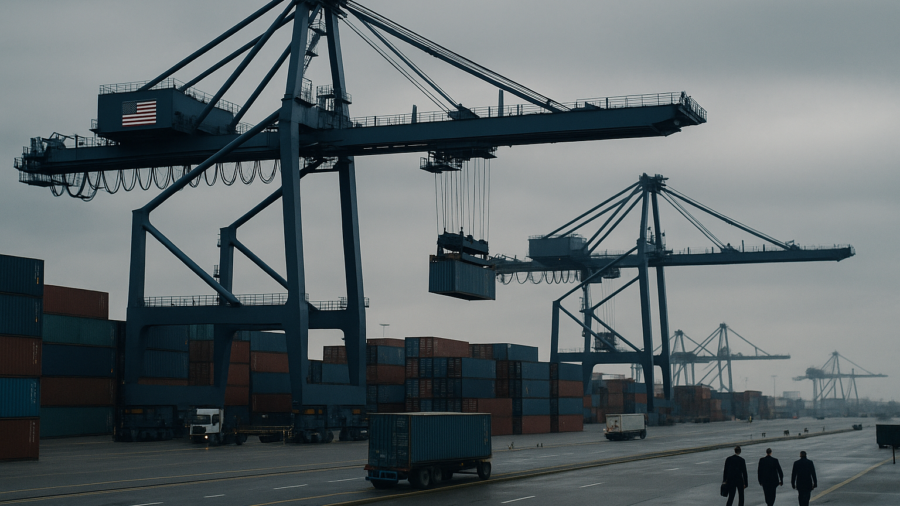
European governments have sharply increased defense spending since Russia’s full-scale invasion of Ukraine in 2022, yet the continent’s military architecture remains fundamentally anchored to the United States — a dependency that analysts warn carries both strategic and economic risks that spending increases alone cannot quickly resolve. According to DW reporting, the structural reliance extends far beyond headline budget figures to encompass intelligence sharing, command infrastructure, logistics networks, and advanced weapons systems that European nations have neither the industrial capacity nor the institutional frameworks to replicate in the near term.
The urgency of the debate has intensified as the United States under the Trump administration has repeatedly signaled a recalibration of its commitments to European security, pushing NATO allies to meet the alliance’s two-percent-of-GDP defense spending threshold and, in some cases, suggesting that U.S. protection can no longer be taken for granted. While the political rhetoric has fluctuated, the underlying message has reoriented European capitals toward a longer-term question: what would autonomous defense actually cost, and who would bear that burden?

Budget Numbers Tell Only Part of the Story
Several EU member states have now crossed or committed to crossing the NATO two-percent spending benchmark. Poland has gone further still, targeting defense expenditure above four percent of GDP, making it one of the most aggressive spenders on the continent. Germany, after decades of underfunding its Bundeswehr, announced a landmark 100-billion-euro special defense fund in 2022 and has since committed to sustained increases in its annual defense budget. Collectively, European NATO members are on track to spend more on defense in 2025 than at any point since the Cold War.
Yet raw expenditure figures obscure a more complicated picture. A substantial portion of European defense budgets flows directly back to American defense contractors for the purchase of U.S.-manufactured equipment, including F-35 fighter jets, Patriot missile defense systems, and a range of precision munitions. This purchasing pattern entrenches dependency even as spending rises, channeling European taxpayer money into the U.S. defense industrial base rather than building sovereign European capacity. Analysts estimate that a significant share of new European procurement contracts signed since 2022 have gone to non-European suppliers, with U.S. firms capturing a disproportionate slice.
Industrial Gaps and the Cost of Catching Up
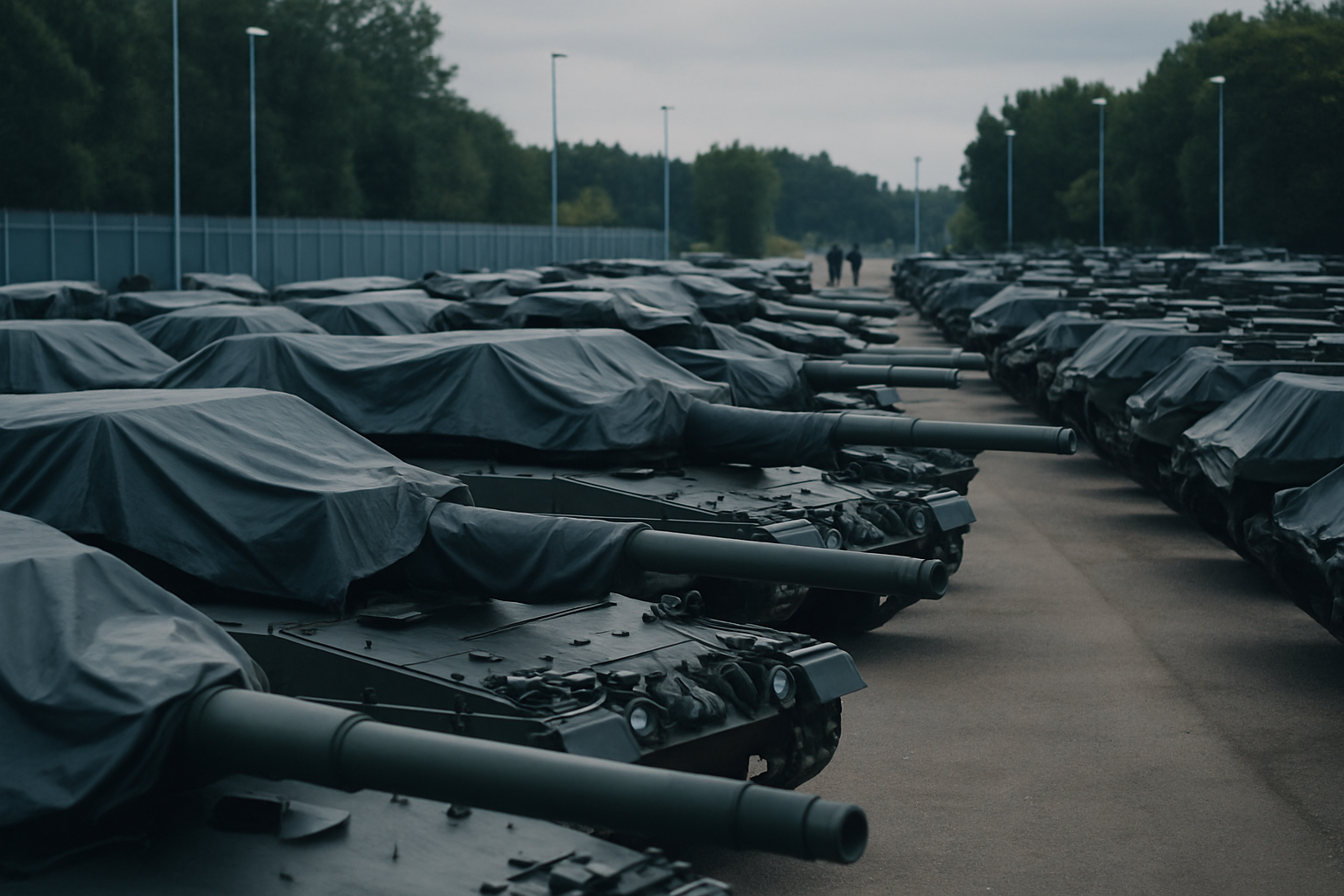
The structural problem is not merely one of political will or budgetary allocation — it is industrial. Europe’s defense manufacturing base atrophied significantly during the post-Cold War era, when governments prioritized the so-called peace dividend and procurement cycles slowed dramatically. Munitions stockpiles were drawn down, production lines were consolidated or closed, and the skilled workforce required for advanced defense manufacturing contracted. Rebuilding that capacity is a multi-decade undertaking that cannot be compressed simply by writing larger checks in the near term.
European Commission officials have recognized this gap and have moved to address it through initiatives such as the European Defence Industry Reinforcement through Common Procurement Act and a proposed 150-billion-euro defense lending facility known as SAFE — Security Action for Europe. The goal is to incentivize joint procurement, reduce fragmentation across 27 national defense markets, and ultimately cultivate a more self-sufficient European defense industrial base. However, critics argue that coordination among member states with divergent procurement traditions and national industrial champions remains deeply difficult, and that meaningful results are likely years, if not decades, away.
The economic stakes extend well beyond military readiness. A Europe that cannot credibly defend itself without U.S. enablers faces elevated political risk premiums on sovereign debt, potential vulnerabilities in trade negotiations, and strategic exposure that could constrain foreign policy decisions across a range of theaters. For investors and financial institutions with significant European exposure, the pace at which the continent closes its defense industrial gap is increasingly a variable in long-term risk modeling. Geopolitical volatility, as seen in recent commodity markets, continues to reverberate across asset classes — a dynamic also explored in coverage of rising energy costs linked to ongoing regional instability.
Meanwhile, the broader question of how European governments finance the defense buildup without crowding out other fiscal priorities remains unresolved. Higher defense spending competes with social welfare commitments, green transition investments, and debt reduction targets embedded in EU fiscal rules. Some member states are calling for defense expenditure to be excluded from deficit calculations under the EU’s Stability and Growth Pact — a debate that intersects with wider arguments about Western monetary policy and the fiscal space available to governments on both sides of the Atlantic. The path toward genuine European strategic autonomy, most analysts agree, will be measured not in years but in generations — and the bill is only beginning to come due.