
Federal Reserve Chair Kevin Warsh has revealed the membership of several advisory task forces he is assembling to guide a sweeping review of the central bank’s operations, naming prominent figures from Silicon Valley, corporate America, and the financial sector among their ranks. The appointments, reported by CNBC’s coverage on July 9, 2026, signal Warsh’s intention to bring a distinctly private-sector lens to an institution that has long operated in relative insularity.
Among the most prominent names confirmed for the task forces are Marc Andreessen, the venture capital co-founder of Andreessen Horowitz, and Doug McMillon, the chief executive of Walmart. Their inclusion alongside figures from Wall Street and the technology sector underscores the breadth of expertise Warsh is seeking as he attempts to reshape the Fed’s approach to everything from monetary policy communication to its balance sheet management and supervisory functions.
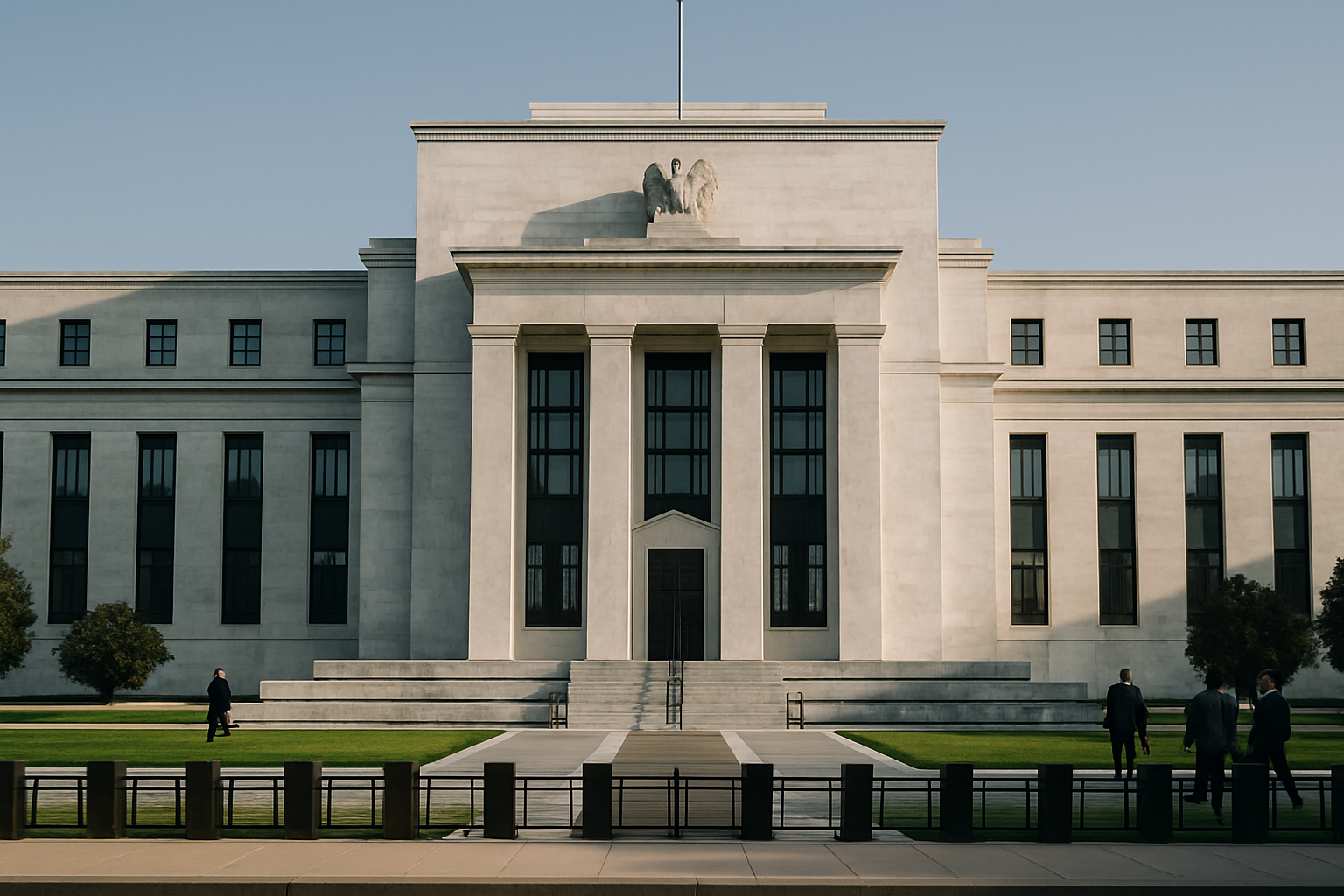
Private Sector Voices at the Policy Table
Warsh, who served as a Fed governor from 2006 to 2011 before being nominated as chair by the current administration, has made no secret of his view that the Federal Reserve has drifted beyond its core mandate and accumulated regulatory authority that warrants significant scrutiny. The task forces are structured around several thematic pillars, including monetary policy frameworks, financial regulation, operational efficiency, and the Fed’s role in emerging areas such as digital assets and payments infrastructure.
The decision to appoint Andreessen, a well-known advocate for cryptocurrency and decentralized finance, to one of the groups is particularly consequential. It suggests that questions around central bank digital currencies and the Fed’s evolving relationship with the crypto industry will feature prominently in the review. McMillon’s presence, meanwhile, is expected to bring a consumer and retail economy perspective to deliberations that have historically been dominated by banking and capital markets professionals. Walmart employs approximately 1.6 million workers in the United States, making McMillon one of the most prominent private-sector voices on labor market conditions.
Market Context and Investor Reaction
The announcement arrived on a day when broader equity markets posted solid gains, with chip stocks leading the advance. According to Investopedia’s markets report for July 9, the S&P 500 closed higher as semiconductor shares surged, while oil prices retreated as investors assessed the geopolitical situation between the United States and Iran. The buoyant market backdrop provided a relatively benign environment for the Fed-related news to land, with no immediate sign of investor alarm at the scope of Warsh’s reform agenda.
Analysts noted that the composition of the task forces could carry implications well beyond symbolism. If the advisory groups produce recommendations that lead to structural changes in how the Fed sets interest rates, manages its roughly $7 trillion balance sheet, or supervises large financial institutions, the downstream effects on markets could be substantial. Bond investors in particular are monitoring developments closely, given that any shift in the Fed’s policy framework could alter the trajectory of Treasury yields and benchmark borrowing rates across the economy.

A follow-up CNBC morning briefing on July 10 flagged the Fed task force appointments as one of the key stories investors needed to digest before the open, placing them alongside Delta Air Lines earnings and the ongoing chip sector rally as market-moving developments.
Institutional Significance and the Road Ahead
The formation of externally staffed advisory bodies at the Fed is unusual by historical standards. While the central bank routinely consults with academic economists and industry groups, the formalization of named task forces with high-profile private appointees represents a departure from standard practice. Critics have raised questions about potential conflicts of interest, particularly given that several named participants have direct financial stakes in sectors the Fed regulates, including banking, fintech, and consumer lending.
Supporters of the approach argue that the Fed’s insularity has allowed inefficiencies and regulatory overreach to persist unchecked, and that external perspectives are necessary to produce meaningful reform. Warsh is expected to present preliminary findings from the task forces to Congress before the end of the year, with a full report anticipated in early 2027. The outcome could reshape the institutional architecture of American monetary policy for a generation. For context on how military escalation risks continue to complicate the Fed’s inflation outlook, and what a shifting policy framework might mean for its response options, earlier analysis remains instructive. Investors tracking the broader implications for Wall Street’s direction will find the Warsh reform process increasingly difficult to ignore.