
The global cosmetic packaging market is on course to reach USD 61.54 billion by 2032, expanding at a compound annual growth rate of 5.76%, according to new research published by Verified Market Research and reported by GlobeNewswire research. The findings underscore a broad structural shift in how beauty brands approach product presentation, with packaging increasingly functioning as a strategic commercial asset rather than a logistical necessity.
Consumer behaviour is at the heart of this trajectory. Rising disposable incomes across emerging markets, combined with an accelerating global appetite for luxury personal care products, are compelling manufacturers to invest heavily in differentiated packaging formats. Brands in skincare, fragrance, and colour cosmetics are deploying high-end materials, tactile finishes, and innovative dispensing mechanisms to capture shelf attention and justify premium pricing strategies.

Sustainability Mandates Drive Material Innovation Across the Supply Chain
Environmental regulation and shifting consumer expectations are together creating a powerful incentive for packaging suppliers to develop low-impact alternatives. Demand for recyclable plastics, biodegradable substrates, and refillable container systems is growing sharply, particularly in Europe and North America where regulatory frameworks around single-use plastics are tightening. Brands that fail to demonstrate credible sustainability credentials risk reputational and commercial penalties in these high-value markets.
The pressure on packaging materials extends into adjacent supply chains. The broader wax market, which supplies coatings and protective layers used across both packaging and cosmetics applications, is itself projected to reach USD 16.65 billion by 2035, according to a separate wax market forecast published by SNS Insider. That expansion reflects the growing complexity of functional coatings required to meet both aesthetic and environmental performance standards in cosmetic and personal care packaging lines.
Manufacturers are responding by increasing capital allocation toward research and development in material science. Glass and aluminium continue to command strong positioning in the premium segment due to their recyclability credentials and perceived quality associations, while advances in post-consumer recycled plastics are beginning to make inroads in the mass-market tier. This dual-track evolution is broadening the competitive landscape and attracting new entrants with specialised material capabilities.
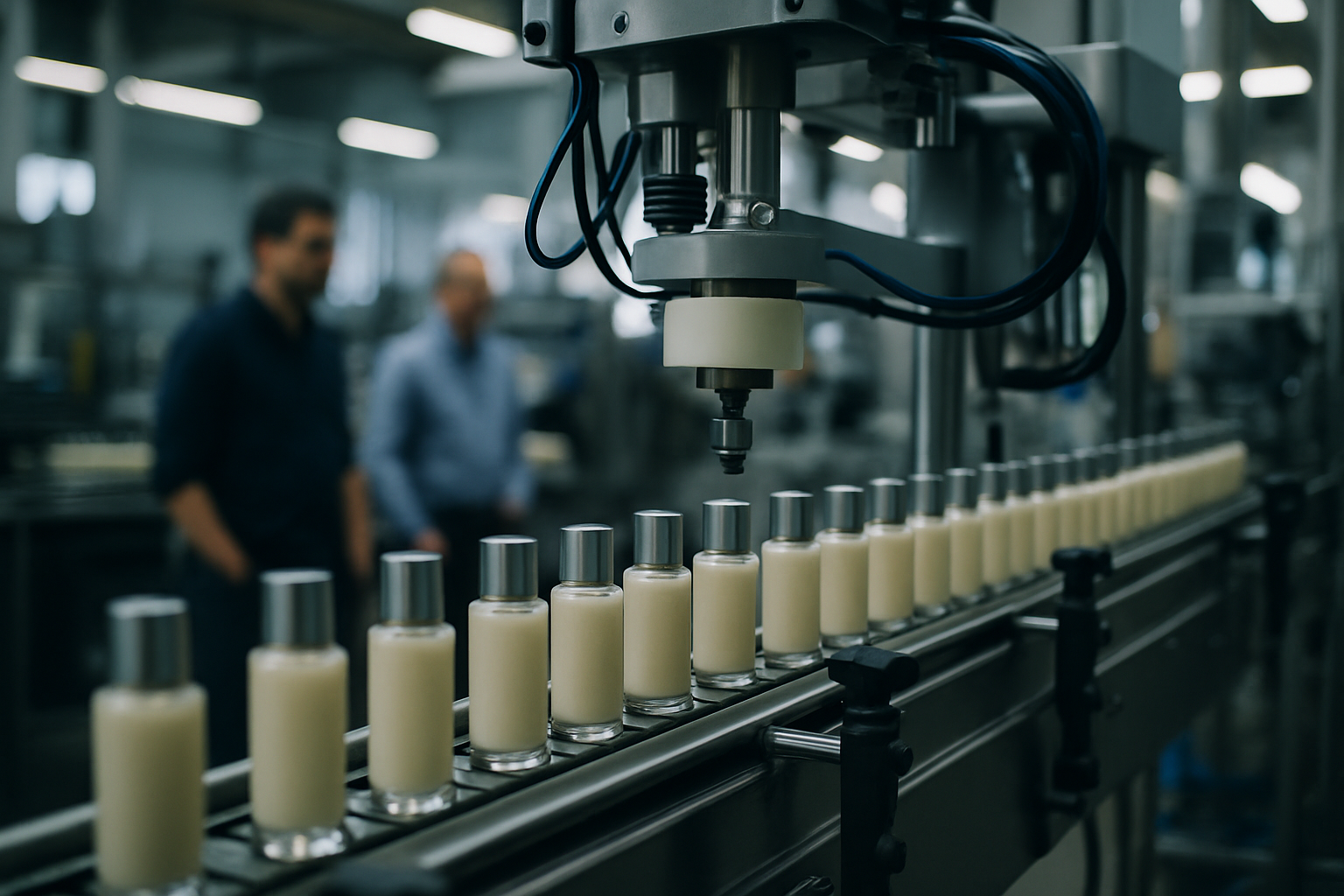
Asia-Pacific Expansion and E-Commerce Channels Accelerate Demand
Geographically, Asia-Pacific is expected to represent the fastest-growing regional market over the forecast period. China, South Korea, India, and Japan collectively account for a substantial share of global cosmetics consumption, and the packaging requirements of these markets are increasingly sophisticated. The K-beauty phenomenon in particular has elevated packaging design to a point of competitive differentiation, with South Korean brands routinely setting global benchmarks for structural innovation and aesthetic execution.
The rapid scaling of direct-to-consumer and e-commerce beauty channels is also reshaping packaging specifications. Products sold online must withstand transit stresses while simultaneously delivering a compelling unboxing experience that drives social media amplification. This has led to a notable increase in investment in secondary and tertiary packaging formats, as well as in tamper-evident and protective closure systems. The net effect is a broadening of the addressable packaging market beyond primary containers alone.
Competitive dynamics within the industry are intensifying as large multinational packaging groups pursue acquisitions and joint ventures to secure access to sustainable material technologies and regional manufacturing capacity. Smaller specialist firms, meanwhile, are leveraging design innovation and agility to carve out positions in the fast-growing indie beauty segment. Investors tracking consumer goods supply chains would do well to monitor this sector closely, given its close correlation with broader S&P 500 sector spending trends in consumer staples and discretionary categories. Analysts covering adjacent market expansions may also find useful context in recent reporting on 360-degree camera market growth, which similarly illustrates how premium consumer product segments are driving outsized packaging and hardware investment cycles through 2033.