
A cohort of ten Chinese-listed companies has quietly embedded itself into the infrastructure backbone of American artificial intelligence and cloud computing, supplying critical hardware components to some of the largest data center operators in the United States. The development, which CNBC reported on Saturday, is drawing renewed scrutiny from investors and policymakers alike as Washington continues to debate the boundaries of technology trade with Beijing.
The ten stocks span a range of hardware categories including power management systems, cooling infrastructure, server racks, and fiber optic interconnects — components that have become increasingly scarce as hyperscalers race to expand capacity to meet surging demand from generative AI workloads. Analysts estimate that Chinese suppliers now account for between 15 and 25 percent of the total component spend flowing into newly commissioned U.S. data centers, a share that has grown substantially since 2023 as domestic alternatives struggled to scale at the pace required.
Supply Chain Exposure at the Heart of the AI Build-Out
The profile of the ten companies reflects a broader structural dependency that has developed largely below the radar of mainstream market commentary. Several of the firms identified operate in precision manufacturing segments where Chinese producers hold dominant global market positions, including advanced thermal management units and high-density power distribution modules. These are not commodity products easily sourced elsewhere; lead times for comparable Western-manufactured alternatives can stretch to 18 months or longer, according to procurement executives at several cloud providers.
Shares in a number of the identified companies have delivered outsized returns over the past twelve months, with at least four of the ten posting year-to-date gains exceeding 40 percent on the Hong Kong and Shanghai exchanges as institutional investors begin pricing in sustained demand from U.S. operators. The concentration of buying interest in these names has also attracted attention from hedge funds tracking the AI infrastructure theme, who argue that the revenue visibility offered by long-term supply agreements with American hyperscalers provides an unusually durable earnings floor.
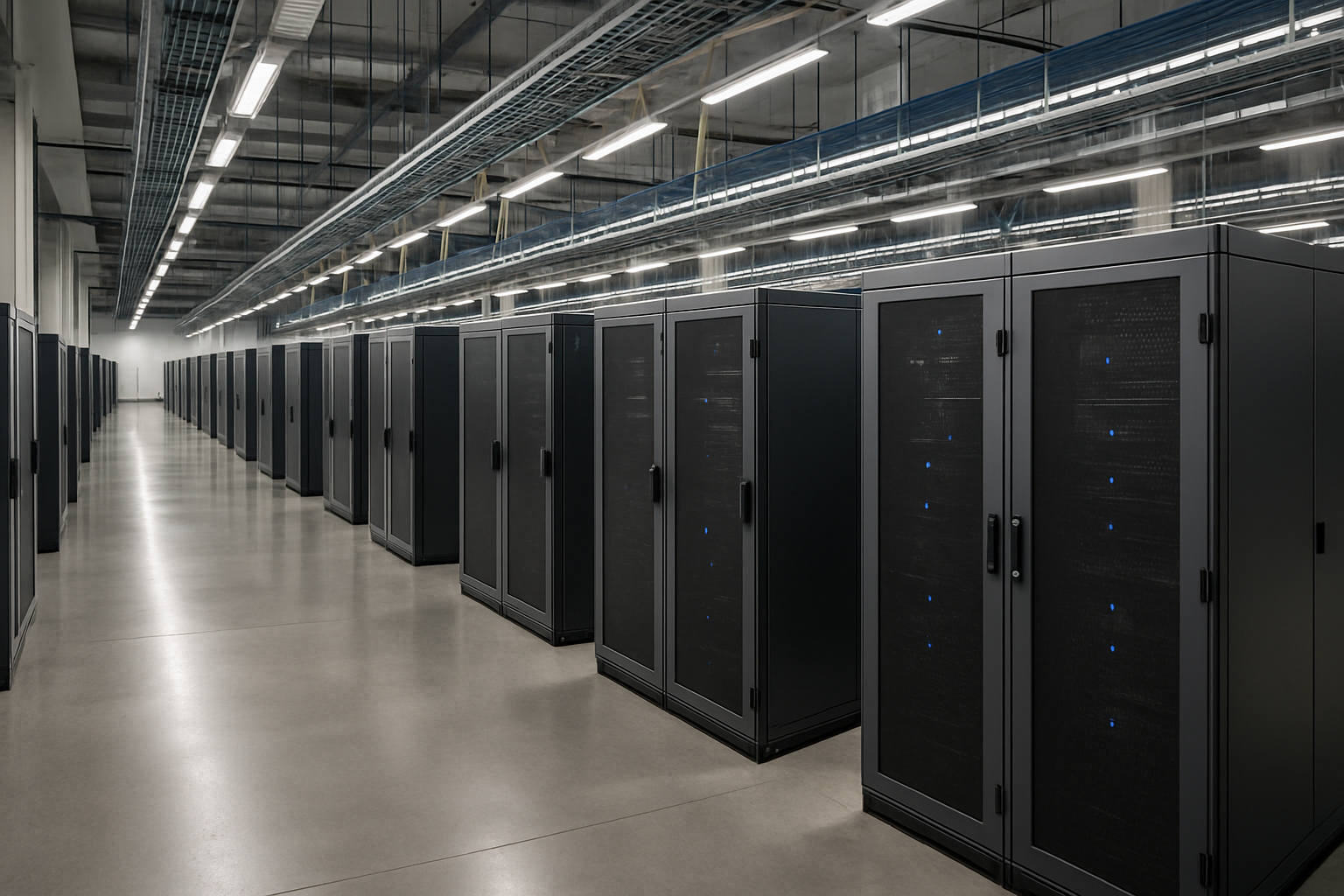
The dynamic presents a particular paradox for fund managers navigating U.S.-China investment restrictions. Several of the stocks sit within sectors that have previously attracted scrutiny under the Treasury Department’s outbound investment review framework, yet their revenues are substantially underpinned by contracts with American corporate counterparties. Legal experts note that the current regulatory architecture does not straightforwardly prohibit U.S. investors from holding equity in companies that supply data center hardware, but the political risk premium attached to these positions has increased measurably in recent quarters.
Geopolitical Risk Shadows an Otherwise Compelling Trade
The revelation lands at a sensitive moment in the bilateral technology relationship. The United States has imposed successive rounds of export controls targeting advanced semiconductors and chip manufacturing equipment destined for China, and Beijing has responded with its own restrictions on critical mineral exports. Against that backdrop, the degree to which American data center operators remain reliant on Chinese component suppliers for non-semiconductor hardware has struck some analysts as an underappreciated vulnerability. The situation carries echoes of earlier debates about solar panel and battery supply chains, where economic efficiency and national security interests have repeatedly come into conflict, a tension this publication has previously examined in the context of clean energy trade.
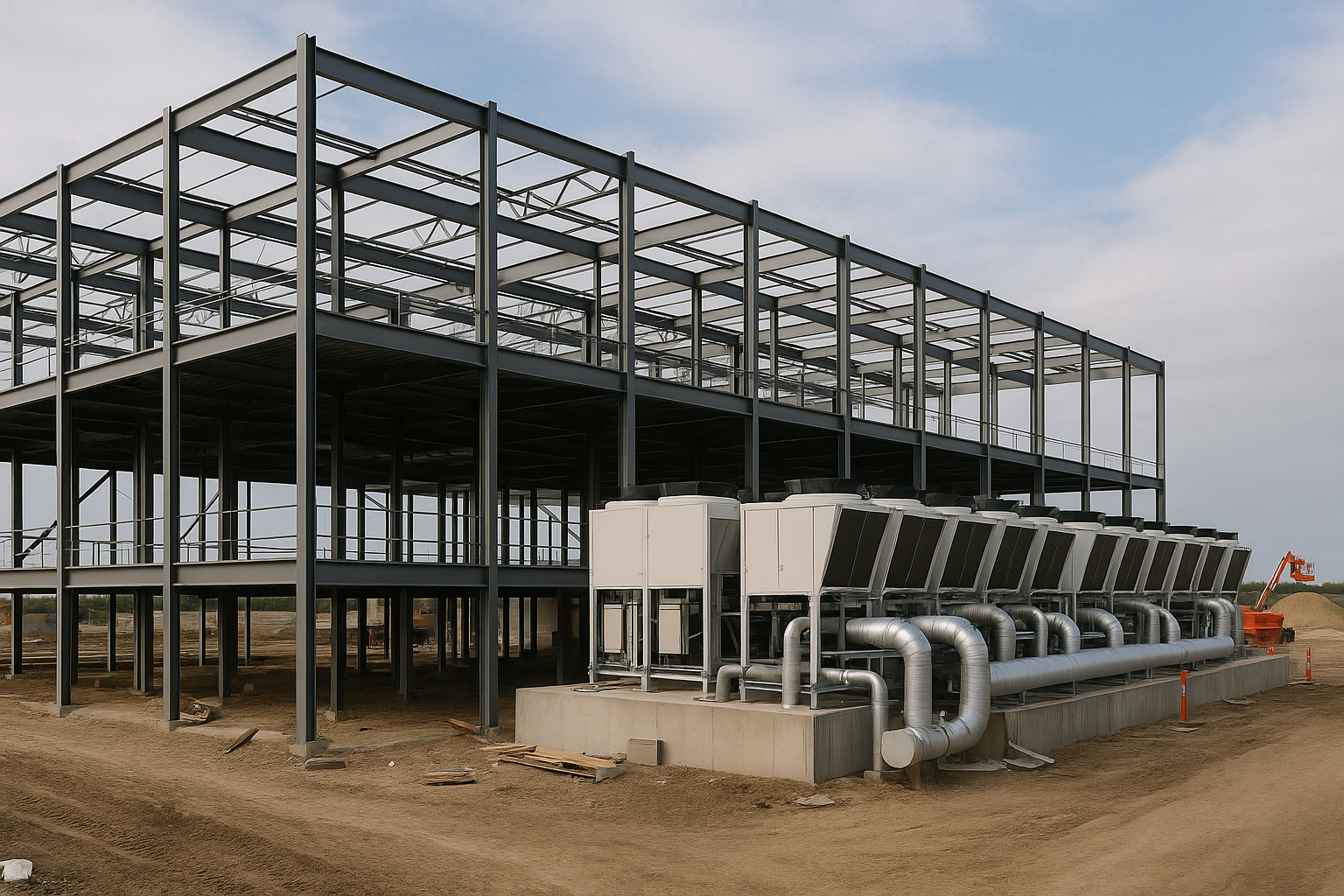
For the companies themselves, the U.S. data center relationship represents a material and growing revenue stream that insulates them from domestic demand weakness in China’s own cloud market, which has faced margin pressure and regulatory headwinds. Revenue derived from foreign data center customers is estimated to represent anywhere from 20 to 50 percent of total sales for some of the identified firms, giving their earnings profiles a distinctly transatlantic character that complicates straightforward classification as purely domestic Chinese equities.
Investment banks have begun issuing revised price targets on several of the names, with at least two major brokerages upgrading their ratings in the past fortnight on the basis of contract pipeline disclosures. Analysts caution, however, that any deterioration in U.S.-China trade relations, renewed tariff escalation, or an acceleration of domestic sourcing mandates by the Biden-era CHIPS office successors could rapidly erode the competitive positioning these companies currently enjoy. For now, the market appears willing to price the opportunity rather than the risk — a calculation that may yet prove premature if the political climate shifts before supply chains do.