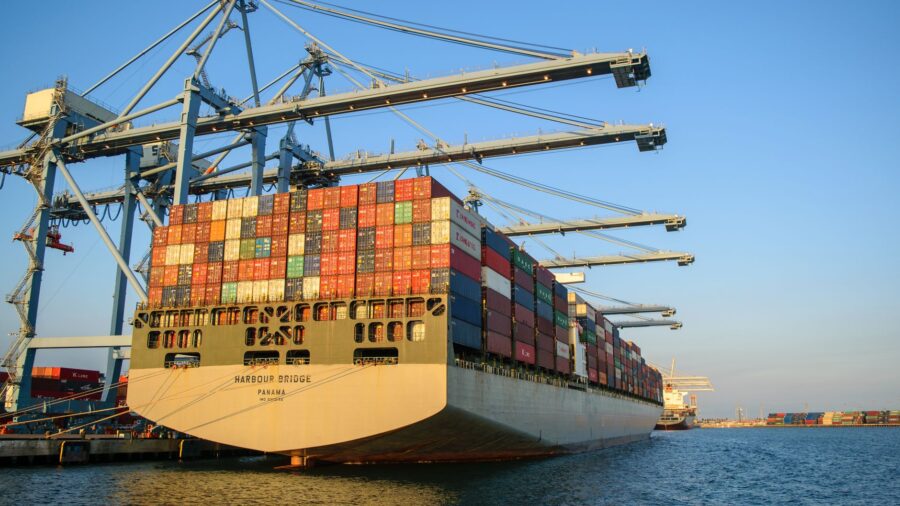
China has sharply rebuked a G20 communiqué that singled out its heavy reliance on export-led growth, with Beijing accusing the world’s leading economies of using multilateral forums to advance protectionist agendas under the guise of rebalancing concerns. The dispute marks one of the most direct confrontations between China and the G20 bloc over trade policy in recent years, deepening anxieties about the future of the rules-based international trading order. As our earlier reporting on G20 trade imbalances outlined, Washington has been orchestrating multilateral pressure on Beijing’s surplus-generating industries for several months.
The statement, issued following the G20 finance ministers’ meeting, urged member economies with large external surpluses to take steps to reorient growth toward domestic demand. While it did not name China explicitly, the language was widely interpreted as directed at Beijing, whose goods trade surplus reached an estimated $970 billion in the twelve months through mid-2026, one of the largest ever recorded by a single economy.
Beijing’s Counterstrike: Framing Criticism as Economic Coercion
China’s Ministry of Commerce issued a pointed statement dismissing the G20 language as a distortion of fair trade principles. Officials argued that China’s export competitiveness reflects genuine productivity gains and industrial investment, not market-distorting subsidies or currency manipulation as critics allege. The ministry said that labelling Chinese exports as a structural problem for the global economy amounted to “promoting protectionism in multilateral clothing.”
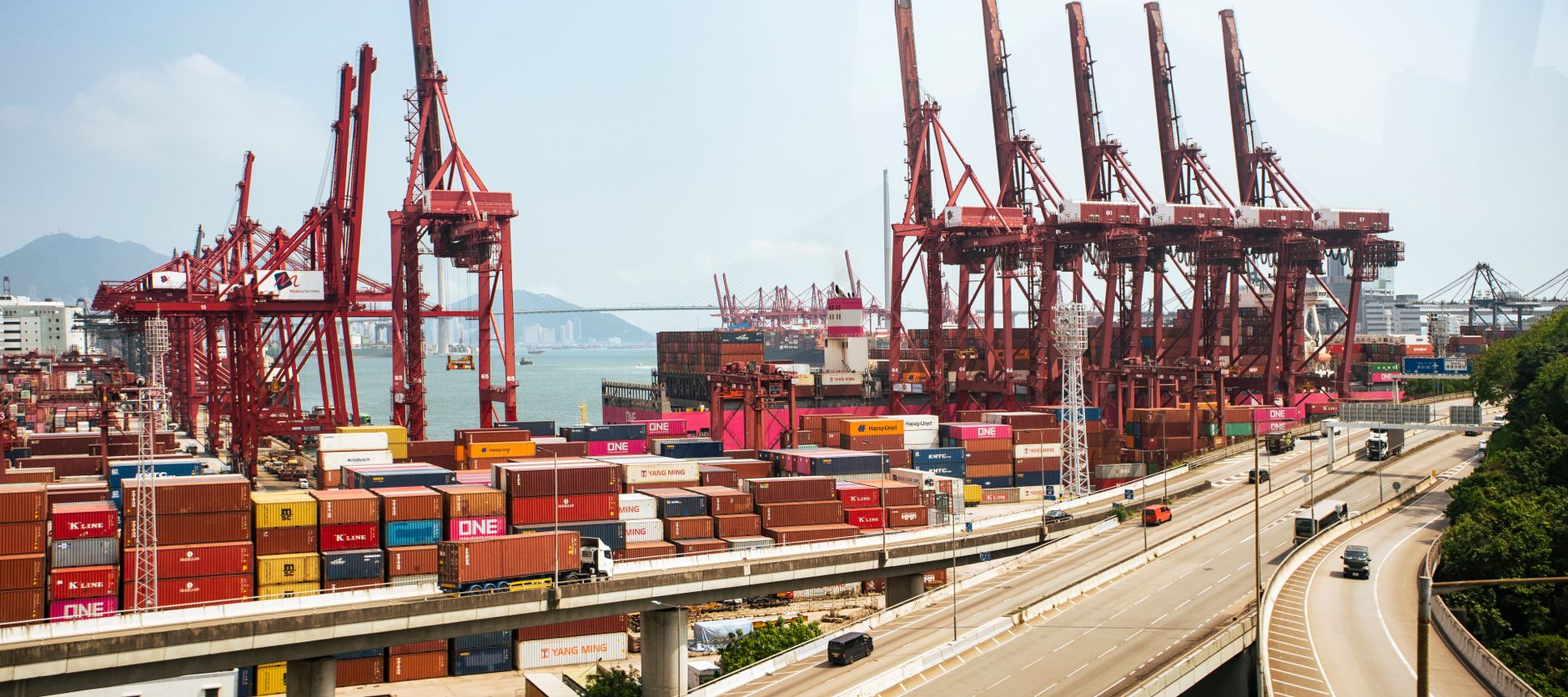
The rebuke reflects a broader strategic calculation in Beijing. Chinese authorities have consistently maintained that the country’s manufacturing prowess, particularly in electric vehicles, solar panels, and advanced electronics, results from decades of legitimate industrial policy and economies of scale. China’s exports of electric vehicles alone are estimated to have surged by more than 40 percent year-on-year in the first half of 2026, intensifying friction with European and North American producers who have sought tariff protection for domestic industries. The broader pattern of rising trade barriers echoes dynamics seen closer to home, where Canadian trade retaliation against the United States illustrated how tit-for-tat measures can cascade unpredictably through supply chains.
Analysts noted that the timing of Beijing’s response carries diplomatic significance. With the G20 Leaders’ Summit approaching later this year, China appears determined to contest the framing of its economic model before any formal conclusions are embedded in higher-level declarations. “China will not accept a narrative that treats its industrial success as inherently destabilising,” said one trade economist familiar with the negotiations, speaking on condition of anonymity.
Structural Tensions With No Easy Resolution
The underlying economics feeding this dispute are formidable. China’s current account surplus has swelled as domestic consumption has remained subdued relative to the size of the economy, with household consumption accounting for roughly 37 percent of GDP compared with more than 65 percent in the United States. G20 partners argue this imbalance floods global markets with Chinese goods at prices that domestic producers in other economies cannot match, suppressing investment and employment abroad.
Western governments, particularly the United States and members of the European Union, have accelerated tariff measures targeting Chinese industrial exports over the past eighteen months. The Biden and subsequent administrations maintained and in some cases extended tariff schedules first introduced during the earlier trade war era, while Brussels launched anti-subsidy investigations into Chinese electric vehicle imports that concluded with additional duties earlier in 2026. According to CNBC reporting on the G20 confrontation, Chinese officials specifically objected to language in the communiqué they believe was drafted at Washington’s insistence.
For global markets, the standoff introduces fresh uncertainty at a moment when trade volumes are already under pressure from geopolitical fragmentation and elevated shipping costs. Economists warn that if the G20 fails to establish a credible multilateral framework for managing surplus tensions, bilateral tariff escalation becomes the default outcome, a scenario with negative implications for global growth forecasts already revised downward by major institutions for 2026. The dispute is unlikely to be resolved at the technical level alone, and its trajectory will depend heavily on whether the major economies can find enough common ground at the leaders’ level to prevent a further deterioration in trade relations.