
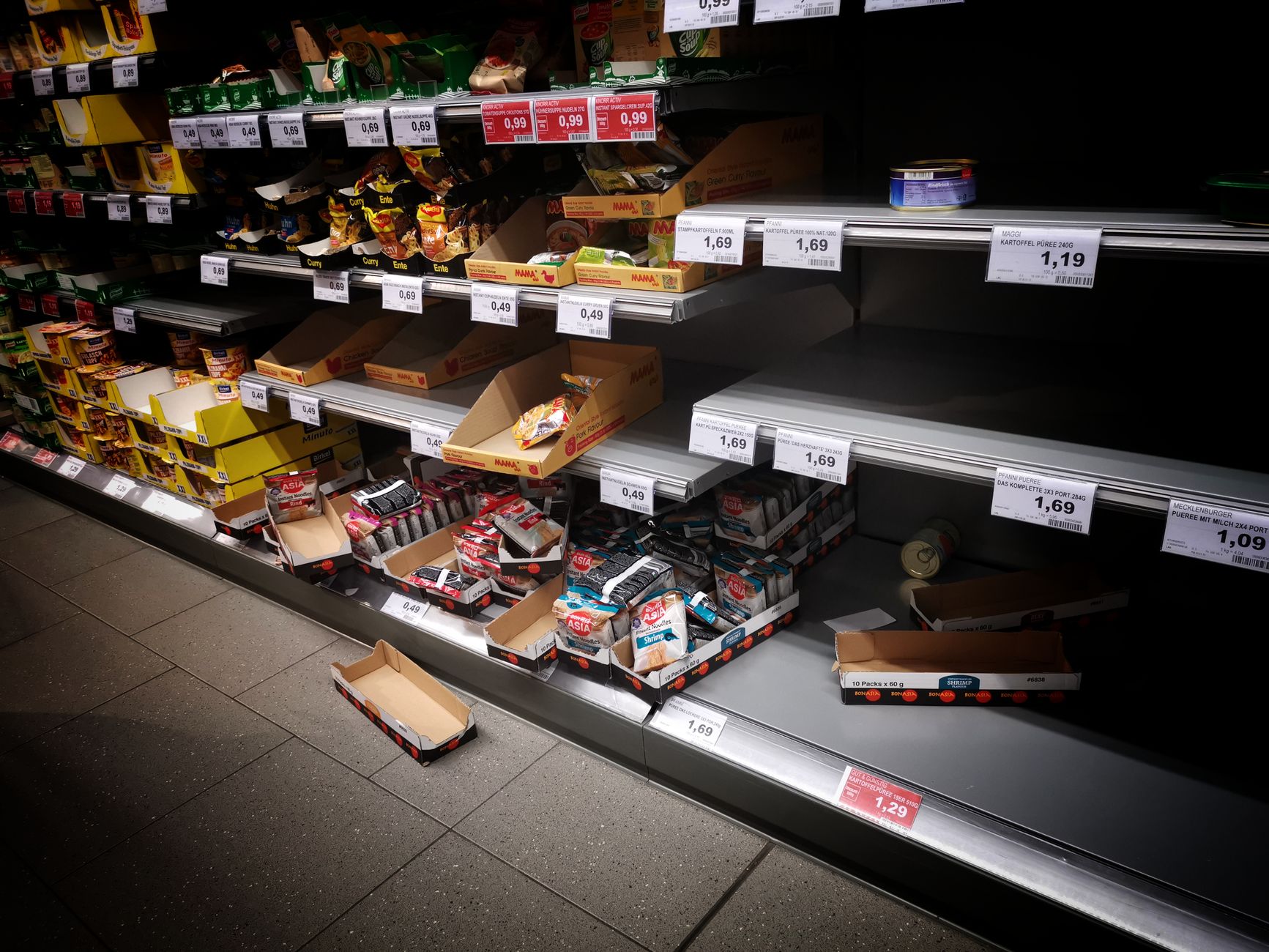
A household product that became a symbol of pandemic-era supply chain breakdown is once again emerging as a flashpoint in the escalating trade war between the United States and Canada. Retaliatory tariffs imposed by Ottawa on a broad range of American goods are threatening to disrupt the flow of pulp and paper products across the northern border, raising the prospect of toilet paper shortages returning to U.S. store shelves. The development is drawing renewed attention to the structural vulnerabilities of consumer staples supply chains — vulnerabilities that, as reporting on Washington trade policy has shown, remain stubbornly difficult to resolve through diplomatic pressure alone.
According to Fortune’s tariff analysis, Canada supplies a significant share of the softwood pulp used in American tissue manufacturing, and newly imposed Canadian levies — estimated at between 15 and 25 percent on select paper-adjacent product categories — are already causing procurement teams at major consumer goods companies to reassess sourcing strategies. The timing is particularly sensitive given that U.S. retailers are still rebuilding inventory buffers eroded during prior supply disruptions.
Supply Chain Exposure Runs Deeper Than the Shelf
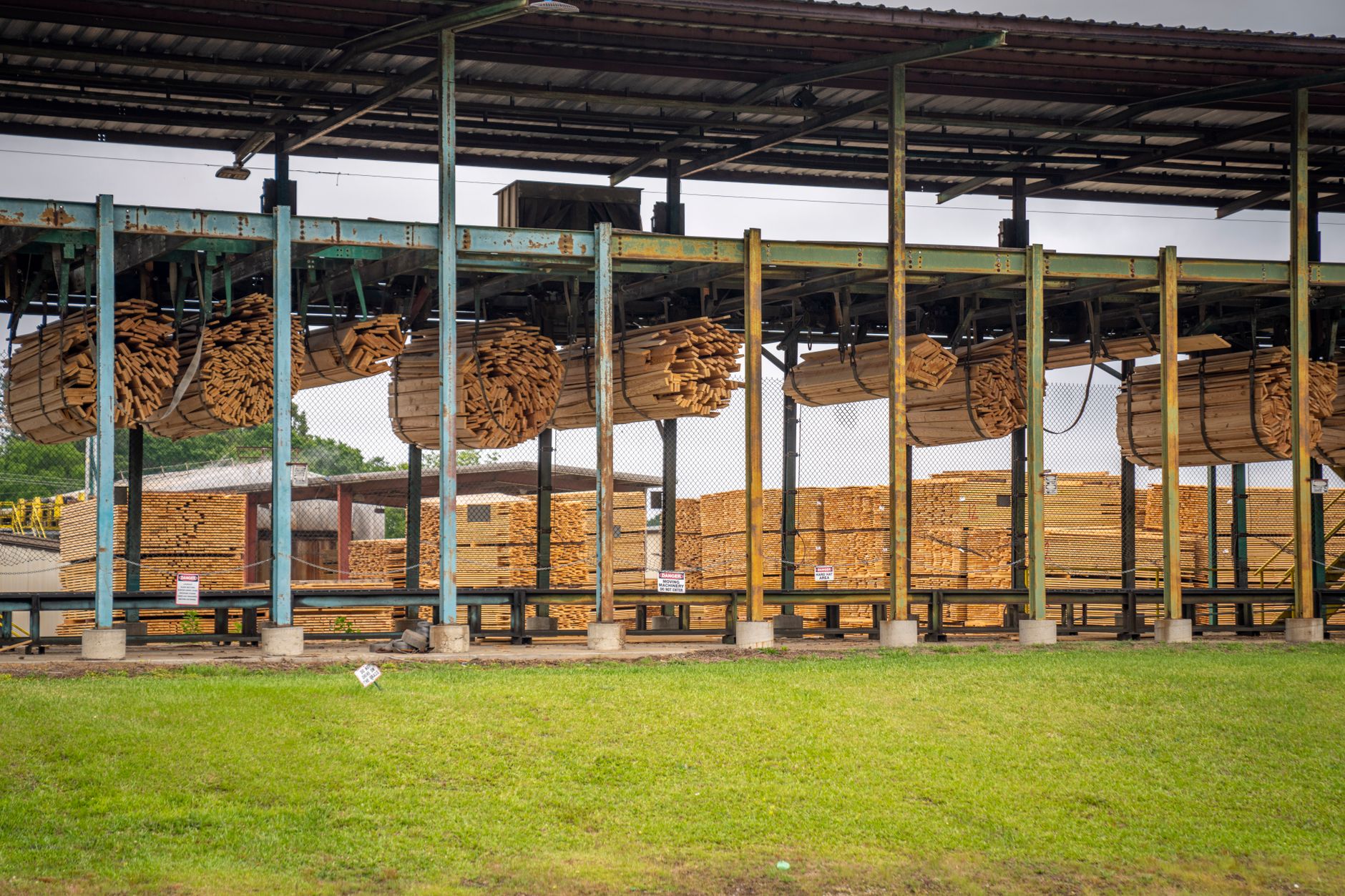
The toilet paper industry’s dependence on Canadian raw materials is not incidental — it reflects decades of cross-border integration that trade economists have long flagged as a latent risk. Canada accounts for an estimated 30 to 35 percent of the softwood pulp imported into the United States annually, a figure that has remained relatively stable even as manufacturers diversified other input sources following the Covid-19 disruptions of 2020 and 2021. Pulp from Canadian provinces such as British Columbia and Quebec feeds directly into production lines operated by tissue giants including Procter and Gamble, Kimberly-Clark, and Georgia-Pacific.
Industry analysts note that domestic U.S. pulp production has not scaled sufficiently to absorb a meaningful tariff-driven reduction in Canadian imports. Construction of new pulp capacity requires capital expenditure cycles measured in years, not months, meaning that even a temporary disruption could compress available supply before any structural remediation is possible. One estimate circulating among paper industry consultants suggests that a sustained 20 percent tariff on Canadian pulp inputs could add between 8 and 12 percent to the consumer-facing price of tissue products within two to three quarters.
Political Fallout Echoes Earlier Pandemic Flashpoints
For the Trump administration, the reemergence of toilet paper as a consumer anxiety trigger carries unmistakable political risk. The product became a totemic measure of public confidence during the supply shocks of 2020, and its disappearance from shelves — however brief — left a lasting impression on American households. Any recurrence, even partial, risks handing the administration’s critics a vivid and viscerally relatable symbol of trade policy overreach at a moment when household inequality is already straining public trust in economic management.
Ottawa’s retaliatory measures were framed as a proportionate response to U.S. tariffs on Canadian steel, aluminum, and lumber, with Canadian trade officials emphasizing that the levies target sectors where American producers are most vulnerable to substitution pressure. The selection of paper and pulp products within the retaliation basket appears calculated — high consumer visibility, limited short-term substitution options, and a direct line to everyday household spending. Canadian officials have indicated the measures will remain in place until Washington rolls back its own tariff schedule, a condition the Trump administration has shown no sign of accepting.
Retailers including Walmart and Costco have reportedly begun monitoring category inventory levels more closely, though neither company has publicly announced purchasing limits. Logistics analysts caution that even modest precautionary stockpiling by large-format retailers could amplify apparent scarcity on lower-tier store shelves, recreating the self-reinforcing demand surge that characterized the 2020 shortage with little or no actual reduction in total supply. Whether that dynamic materialises will depend heavily on how quickly the White House and Ottawa find a pathway to de-escalation — a prospect that, for now, appears distant.