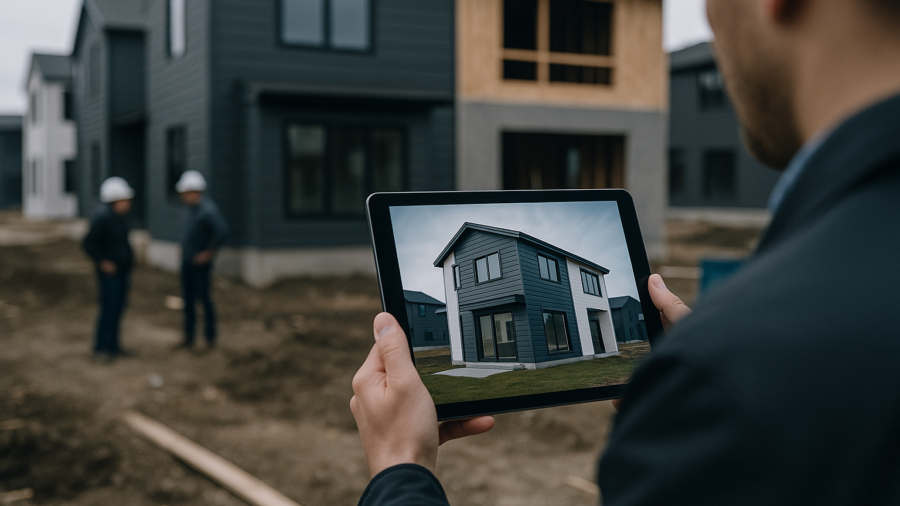
Home renovation costs in the United States have climbed sharply in recent years, with the average major remodel now running anywhere from $50,000 to well over $150,000 depending on scope and location. Against that backdrop, a growing number of high-profile homeowners and professional renovators are turning to three-dimensional design software to visualise projects before a single wall comes down — a shift that industry observers say can eliminate a significant share of costly planning errors.
According to a MarketWatch report, media personality Kim Kardashian and the HGTV stars known as the Property Brothers are among the prominent figures who have publicly endorsed the use of advanced home design visualisation platforms. These tools allow users to render detailed, photorealistic walkthroughs of proposed layouts before committing to contractors, materials, or structural changes.
The Financial Case for Visualising Before Building
The economic argument for adopting such tools is straightforward. Industry research suggests that change orders — alterations made to a renovation plan after construction has already begun — can inflate a project’s final bill by 10 to 25 percent. For a $100,000 remodel, that translates to up to $25,000 in avoidable overruns. Design software that enables homeowners and contractors to stress-test layouts, experiment with material selections, and resolve spatial conflicts in a digital environment before breaking ground directly addresses this risk.
The platforms highlighted in the MarketWatch coverage function by allowing users to input room dimensions, drag and drop furniture and fixtures, adjust lighting conditions, and produce rendered visuals that closely approximate the finished result. Some versions integrate with augmented reality features, enabling users to project designs onto an existing room through a smartphone or tablet camera. Subscription models for consumer-grade versions of these tools typically range from free basic tiers to premium plans priced between $50 and $100 per month, making them accessible well beyond the celebrity bracket.
Broader Implications for the Renovation Market
The endorsement of such tools by figures with mass consumer followings carries measurable commercial weight. Kim Kardashian alone commands an audience of several hundred million across social media platforms, and the Property Brothers have built a multi-decade media franchise centred on residential transformation. When personalities at that level publicly integrate a product category into their workflow, market analysts have consistently observed downstream upticks in consumer adoption across related categories — a dynamic explored in broader commentary on influencer-driven commerce.
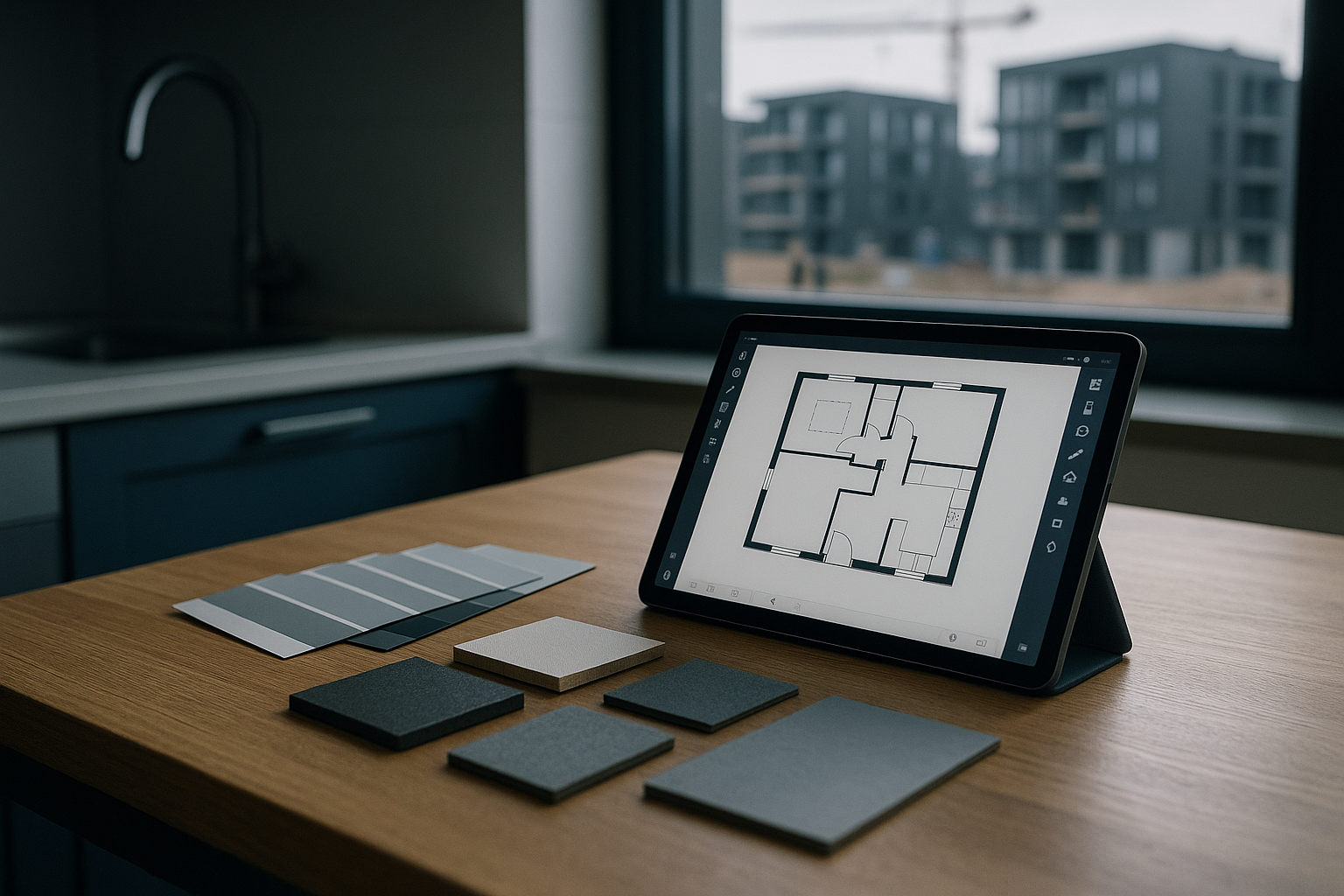
For the residential real estate sector more broadly, the proliferation of accessible design software represents a modest but meaningful shift in how homeowners approach capital allocation. Renovation decisions are among the largest discretionary expenditures a household will make, and errors in planning — misaligned plumbing, poorly proportioned cabinetry, underestimated structural requirements — have historically been among the most expensive to reverse. Tools that compress the feedback loop between concept and execution stand to reduce waste across what is, in aggregate, a multibillion-dollar annual market.
Professionals in the construction and interior design trades have also noted that clients who arrive at initial consultations with pre-formed visual references tend to shorten project timelines and reduce the number of billable revision cycles. From a contractor’s perspective, a client who can articulate spatial preferences with precision is a lower-risk engagement. The convergence of celebrity visibility and practical utility may therefore be accelerating adoption in a segment that has historically been slow to digitise. Homeowners navigating related property rights and tenancy complexities may also find guidance in coverage of informal tenancy arrangements, which intersect with renovation planning in multi-occupancy properties.