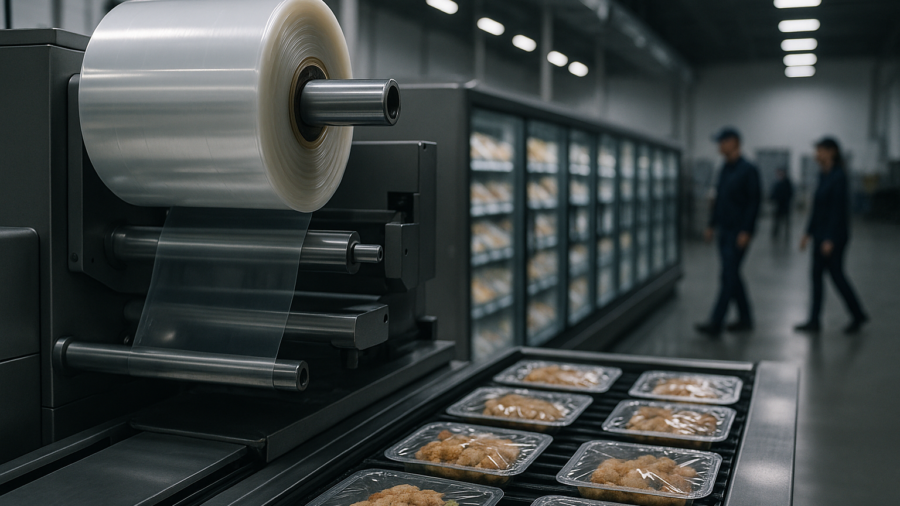
American Packaging Corporation (APC), a privately held flexible packaging manufacturer headquartered in Columbus, Wisconsin, has announced the commercial launch of a new high-performance film structure engineered specifically for the frozen food sector. The product, detailed in a release published by PR Newswire, combines optical clarity with functional durability at temperatures well below freezing, targeting a segment of the food packaging market where visual merchandising and structural integrity are equally critical competitive factors.
The announcement positions APC to compete more directly for shelf space in a frozen food category that has experienced sustained volume growth in recent years, driven by consumer demand for convenient meal solutions and expanded retail SKU counts in the frozen aisle. Industry observers have noted that packaging performance at sub-zero temperatures — particularly resistance to moisture vapor transmission, puncture, and seal integrity failure — has become a primary purchasing criterion for food manufacturers sourcing flexible film.

What the New Film Structure Delivers
APC’s new frozen food packaging film is engineered to address a specific set of performance challenges that conventional flexible packaging often struggles to meet once products enter cold chain logistics. The structure is designed to maintain optical clarity even after extended exposure to freezer temperatures, allowing consumers to view product contents directly through the packaging — a feature that brand owners and retail buyers have increasingly prioritized as a driver of purchase intent at the point of sale.
Beyond aesthetics, the film offers enhanced puncture resistance, which reduces product loss and return rates during distribution — a cost that can meaningfully erode margin for food manufacturers operating on thin processing and logistics budgets. The material’s moisture barrier performance is also cited as a key attribute, helping to prevent freezer burn and extend the effective shelf life of packaged products. For food companies managing inventory across large-format retail distribution networks, even modest improvements in shelf life translate directly into reduced waste write-offs and improved working capital efficiency.
Strategic Positioning in a Competitive Market
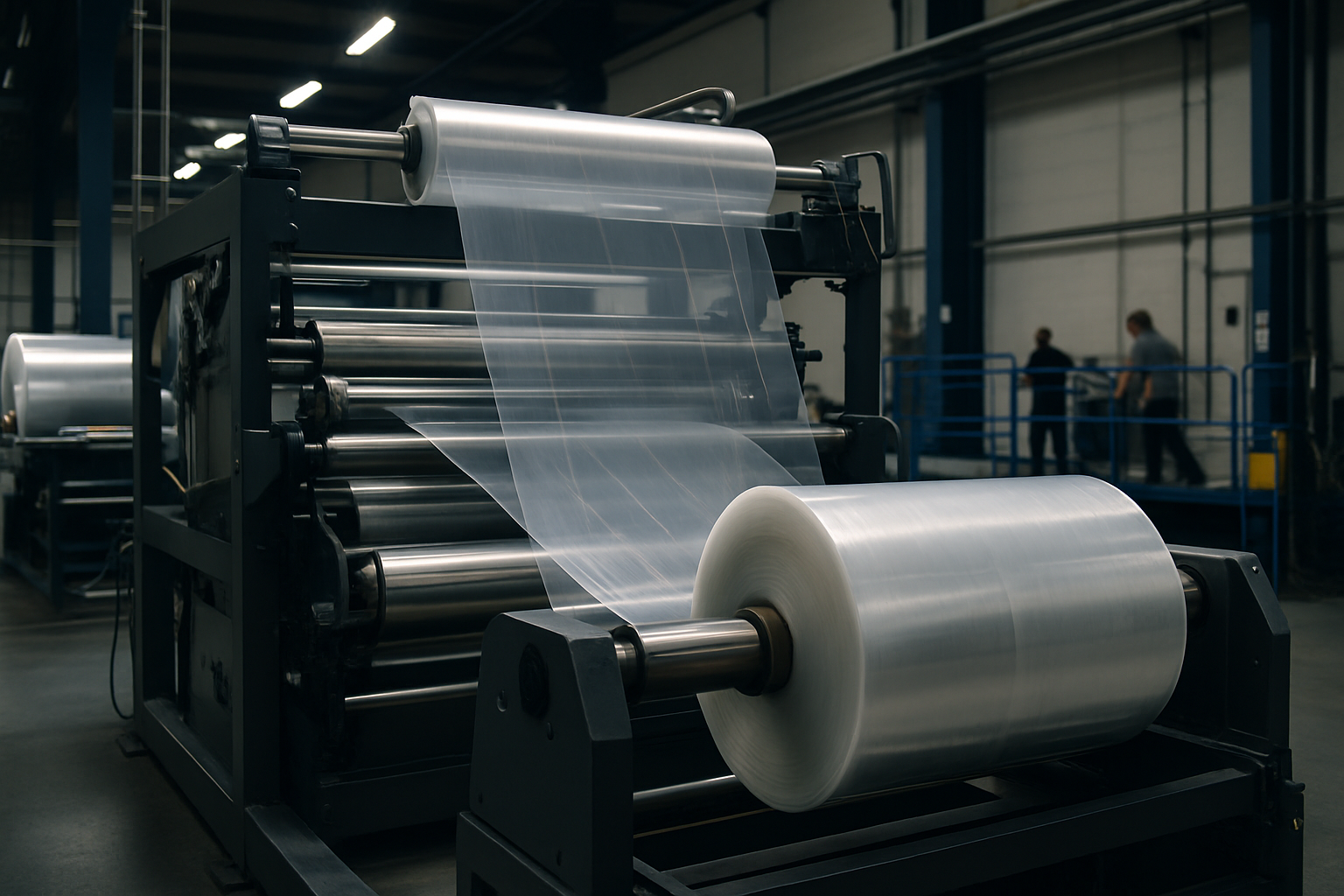
APC’s move into higher-specification frozen food film reflects a broader industry trend in which packaging converters are being asked to deliver materials that do more work — balancing sustainability targets, performance requirements, and cost parameters — as food manufacturers face margin pressure from both input cost inflation and retailer demands for packaging standardization. The company has built its commercial model around custom-engineered film solutions for food, medical, and industrial end markets, which gives it a differentiated position relative to commodity-oriented flexible packaging producers.
The timing of the launch is notable. Frozen food retail volumes in the United States have remained elevated relative to pre-pandemic baselines, and food manufacturers are actively investing in packaging upgrades that can support premium product positioning. A packaging film that reduces product damage, improves visibility, and maintains performance across the cold chain can be a meaningful value-added selling point in supplier negotiations with major food brands. For APC, which competes against both domestic converters and international film producers, a technically differentiated product in a growth segment could support both volume gains and pricing discipline.
Investors monitoring the broader packaging sector may also note that materials innovation has become one of the few reliable levers for margin expansion in flexible packaging, where raw material costs — primarily resin-based inputs tied to petrochemical pricing — remain a significant source of earnings volatility. Companies that can demonstrate measurable functional advantages tend to command longer contract terms and more stable pricing relationships with food industry customers. Separately, those tracking consumer spending patterns may find relevant context in reporting on shifting retail dynamics, including the back-to-school retail environment, where packaged food categories have also seen demand pull-forward effects. Broader questions about capital deployment in domestic manufacturing remain active across sectors, as covered in recent Fiscalist analysis of energy infrastructure investment trends shaping industrial earnings.