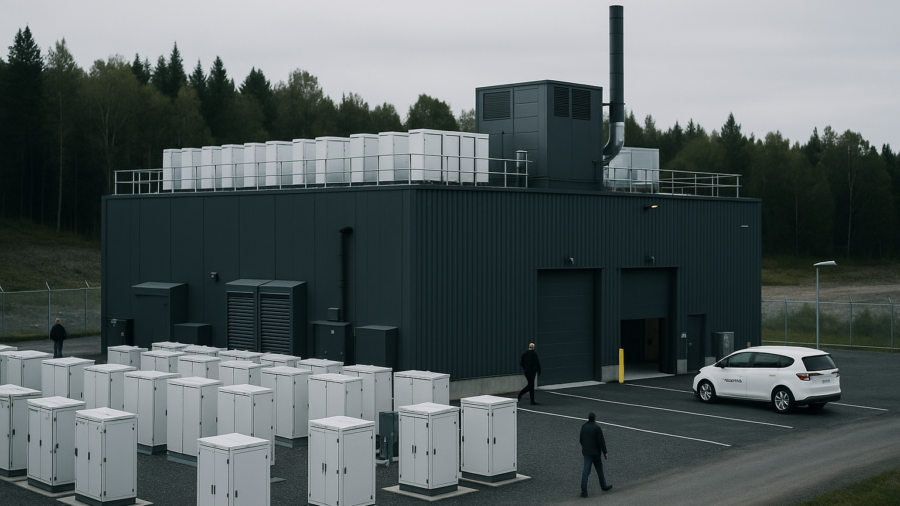
VivoPower International has outlined plans to integrate battery energy storage systems at its data center facility in Norway, with the company projecting the initiative could generate up to USD $4 million in incremental annualized EBITDA. The announcement, first reported by GlobeNewswire in a release dated July 6, 2026, positions the move as a significant step in VivoPower’s broader strategy to monetize grid services alongside its existing data center operations.
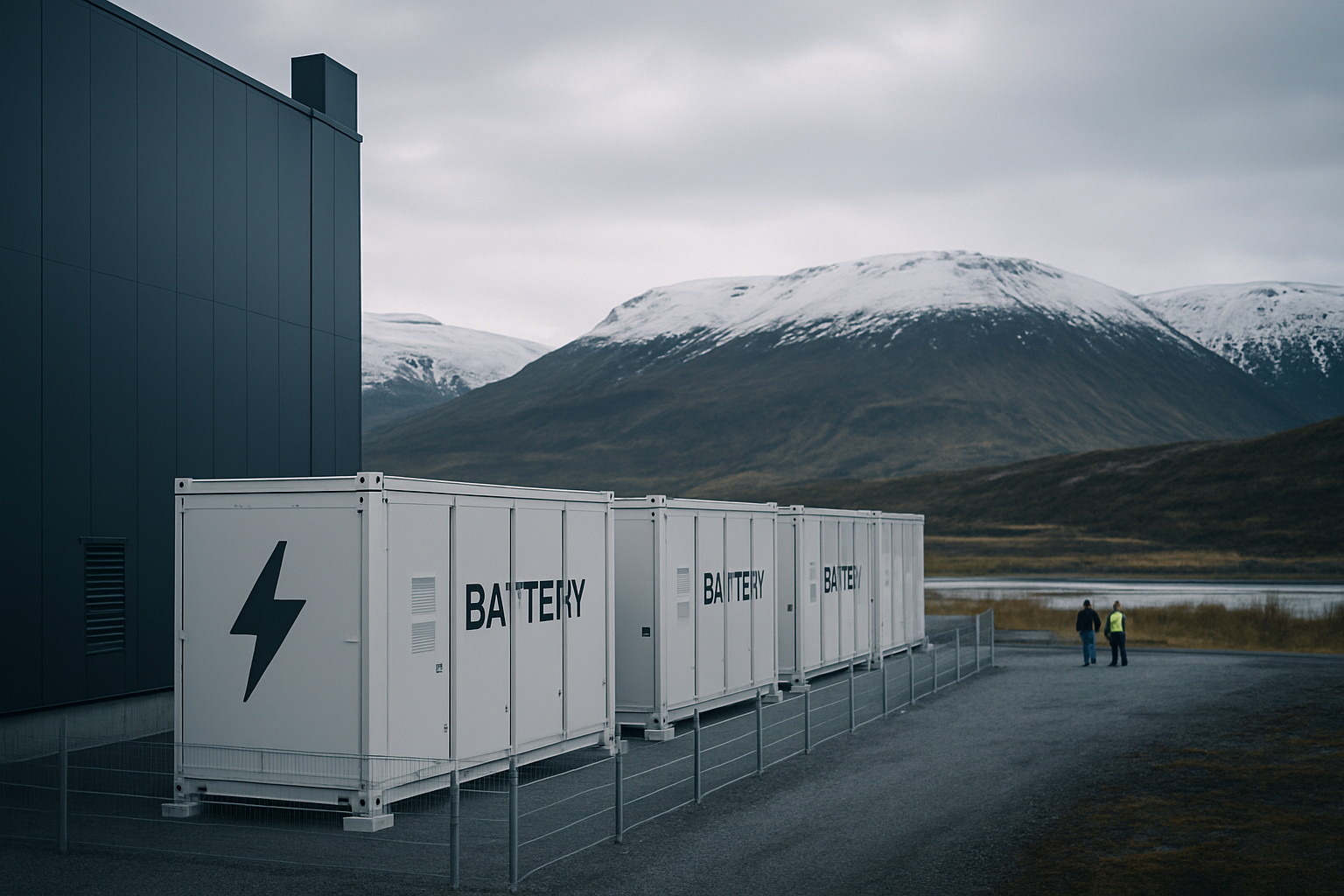
The company said the battery energy storage integration would allow it to participate in ancillary electricity markets, capturing revenue from frequency regulation and reserve capacity services that Norway’s grid operator makes available to large industrial power consumers. VivoPower indicated that the Norway grid environment is particularly well-suited to this model, given the country’s reliance on hydroelectric generation and the resulting volatility in spot power pricing that creates favorable conditions for storage arbitrage.

How Storage Economics Could Reshape the Revenue Model
VivoPower’s projection of up to $4 million in annual EBITDA improvement is contingent on the successful deployment and grid interconnection of the battery systems, as well as continued access to Norway’s frequency containment reserve markets. The company has not specified the precise storage capacity planned, but executives framed the opportunity as capital-efficient relative to the anticipated earnings uplift, suggesting a favorable return profile once the systems are operational.
Battery energy storage assets co-located with data centers have attracted growing attention across Europe as operators seek to offset rising power costs while generating auxiliary income streams. By storing electricity during periods of low wholesale pricing — which in Norway can approach zero or turn negative during high hydro output — and either consuming or selling it back during peak demand windows, operators can structurally reduce their net energy expenditure. VivoPower appears to be applying this logic directly, treating the data center’s consistent power draw as a platform for storage dispatch optimization rather than simply a fixed operating cost.
According to the VivoPower announcement, the project reflects the company’s intent to deepen its energy infrastructure capabilities beyond legacy power services, aligning data center assets more tightly with the energy transition economy.
Strategic Context and Market Positioning
VivoPower has been repositioning its business around sustainable energy and critical infrastructure over recent years, and the Norway battery project fits within that trajectory. The data center itself serves as an anchor load that de-risks the storage investment — the facility’s predictable electricity consumption provides a built-in offtake mechanism that pure storage projects typically lack, improving bankability and dispatch certainty. This structural advantage could prove meaningful as the company seeks to either self-fund or attract project-level financing for the battery installation.
The broader European data center sector is under increasing pressure to demonstrate energy efficiency and grid responsiveness as regulators and power system operators grapple with rising demand from artificial intelligence workloads and cloud expansion. Norway, with its abundant renewable generation and established industrial electricity markets, has emerged as a preferred destination for energy-intensive computing infrastructure precisely because of the grid flexibility services it makes commercially accessible. VivoPower’s move to monetize those services explicitly marks a maturation in how the company thinks about its Norway asset.
Investors assessing the announcement will likely focus on execution timelines, the capital expenditure required to procure and install the battery systems, and the regulatory approval pathway for grid service participation. The $4 million EBITDA figure represents a ceiling estimate, and realized results will depend heavily on market pricing conditions in Norway’s ancillary services auctions, which can fluctuate with seasonal hydrology and broader European energy market dynamics. Readers tracking related shifts in technology sector energy demand may find relevant context in recent coverage of semiconductor sector moves, where power infrastructure investment has similarly become a central theme. For broader perspective on how energy supply conditions are evolving across global markets, The Fiscalist’s prior reporting on the OPEC output surge underscores the volatility shaping energy investment decisions worldwide.