
Target Corporation has spent much of the past two years blaming a reluctant consumer for its underperformance, pointing to macroeconomic headwinds, elevated inflation, and discretionary spending pullbacks as the primary culprits behind consecutive quarters of disappointing results. That explanation, while partially valid, increasingly looks like a convenient deflection from a more uncomfortable truth: Target’s problems are, in significant part, self-inflicted.
According to a Yahoo Finance analysis, the retailer’s challenges extend well beyond what the macro environment can account for, with operational missteps, inventory mismanagement, and strategic inconsistencies playing a far more central role than the company has publicly acknowledged. Comparable-store sales fell approximately 3.7 percent in its most recent fiscal year, a steeper contraction than rivals of similar scale have reported over the same period.
Where Target Is Losing Ground to Rivals
The contrast with Walmart is instructive and difficult for Target to dismiss. Walmart, which faces the same inflationary backdrop and serves an overlapping consumer demographic, grew comparable sales by roughly 4.9 percent in its most recent quarter. Costco, too, has continued posting steady membership revenue and traffic gains. The divergence suggests that industry-wide headwinds do not fully explain Target’s trajectory — a retailer-specific dynamic is clearly at work.
Target’s merchandise mix has drawn particular scrutiny. The company built much of its post-pandemic identity around higher-margin discretionary categories including home furnishings, apparel, and seasonal décor. When consumers began rotating spending back toward essentials, Target’s category weighting left it disproportionately exposed. Walmart and Costco, by contrast, maintained heavier exposure to groceries and consumables, categories that have proven more resilient throughout the current cycle.

There are also growing concerns about in-store execution. Inventory shrink, which Target flagged aggressively beginning in 2023, led the company to reduce store hours, lock up merchandise across a widening range of product categories, and close nine stores in several major metropolitan markets. While theft-related losses are a genuine industry-wide issue, critics argue that Target’s response alienated loyal customers and accelerated a perception that the shopping experience had deteriorated. Foot traffic data from several third-party measurement firms supports that view, showing sustained year-over-year declines in visits at a time when some competitors were recovering ground.
A Strategy That Has Lost Its Sharpness
Beyond the operational stumbles, Target appears to be grappling with a more fundamental question of positioning. The retailer built its brand on the premise of affordable style — a cut above discount, a cut below department store luxury. That middle-ground identity, once a genuine competitive advantage, has become harder to defend in an environment where consumers are more deliberately sorting themselves between value-first destinations and premium experiences, leaving less room for the aspirational middle.
Internal investment decisions have added to the uncertainty. Target committed to a multi-year capital expenditure program focused on store remodels, supply chain upgrades, and same-day fulfillment expansion. Those investments have not yet translated into the traffic or conversion improvements the company projected, raising questions about whether the capital was allocated effectively or whether the underlying strategy requires recalibration. The company’s stock has shed more than 40 percent of its value over the past three years, a performance that trails the broader S&P 500 consumer discretionary sector by a substantial margin.
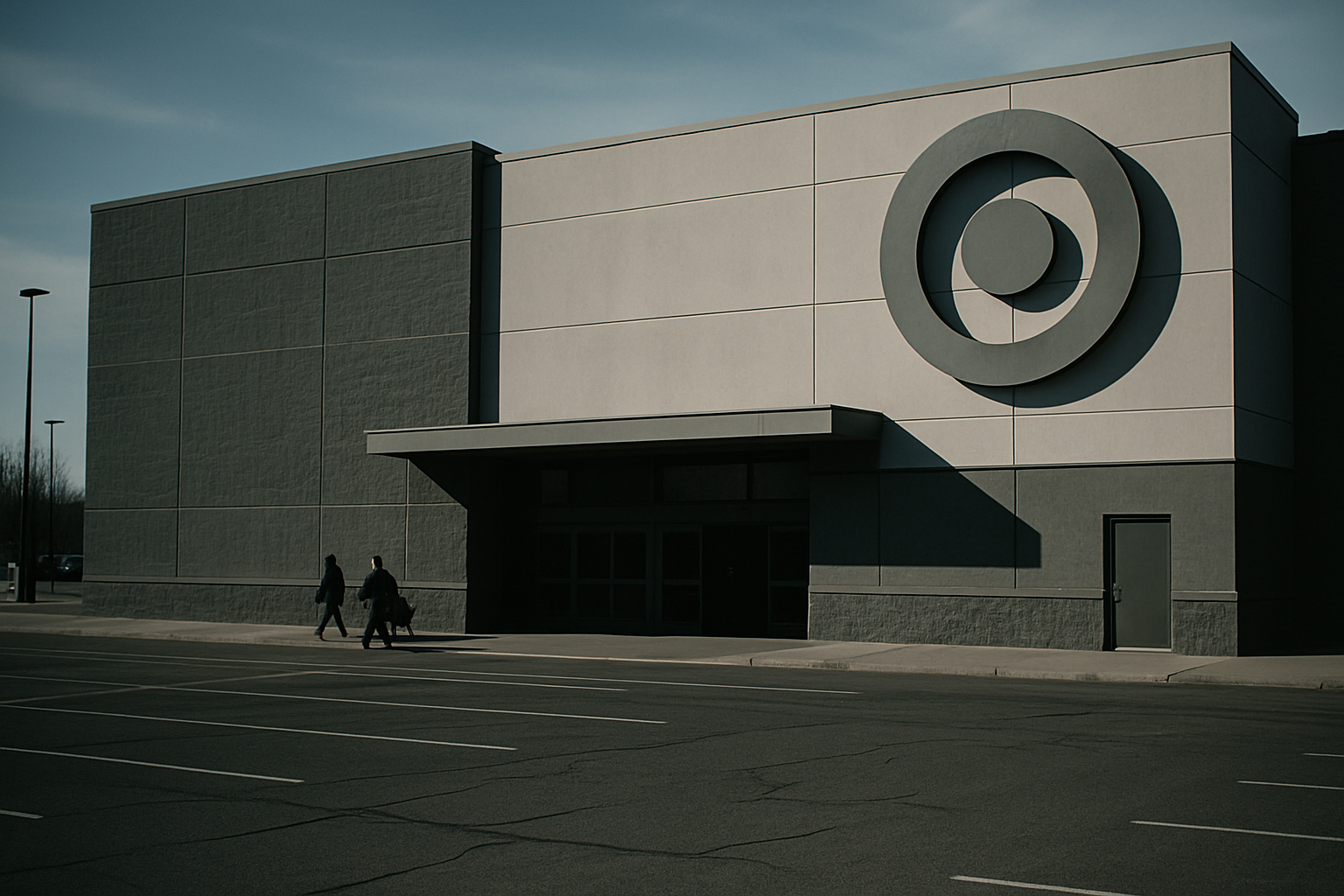
There are some signs that management is beginning to acknowledge the depth of the challenge. Chief Executive Brian Cornell has outlined a renewed focus on value messaging, private-label expansion, and traffic-driving promotions. Whether those initiatives are sufficient to reverse a multi-year erosion in consumer trust and competitive positioning remains an open question. For now, analysts remain divided, with price target cuts from several major brokerages reflecting continued skepticism about the pace and credibility of a recovery.
For investors tracking sentiment shifts across the broader retail and consumer sector, the Target situation offers a cautionary example of how brand equity, once eroded, can prove costly to rebuild. As noted in The Fiscalist’s recent coverage of Boston Beer shares, companies that misread structural demand shifts and attribute them to temporary macro factors often find themselves behind the curve when conditions stabilize. Target’s next several quarters will be telling.