
Shares of The Boston Beer Company (NYSE: SAM) retreated during recent trading as investors weighed a contradictory set of near-term industry indicators that clouded the outlook for the craft beverage and hard seltzer market. The decline reflected broader uncertainty across consumer staples, where shifting drinking preferences and uneven volume data have made it difficult for analysts and portfolio managers to arrive at a consistent narrative heading into the second half of the year.
According to Yahoo Finance coverage of the move, the stock’s pullback came against a backdrop of mixed short-term data points within the beverage alcohol industry, with some segments showing modest recovery while others continued to soften. Boston Beer, the maker of Samuel Adams beer and the once-dominant Truly Hard Seltzer brand, has faced sustained pressure as the hard seltzer category matures and competition intensifies from both established brewers and a new wave of ready-to-drink spirits products.
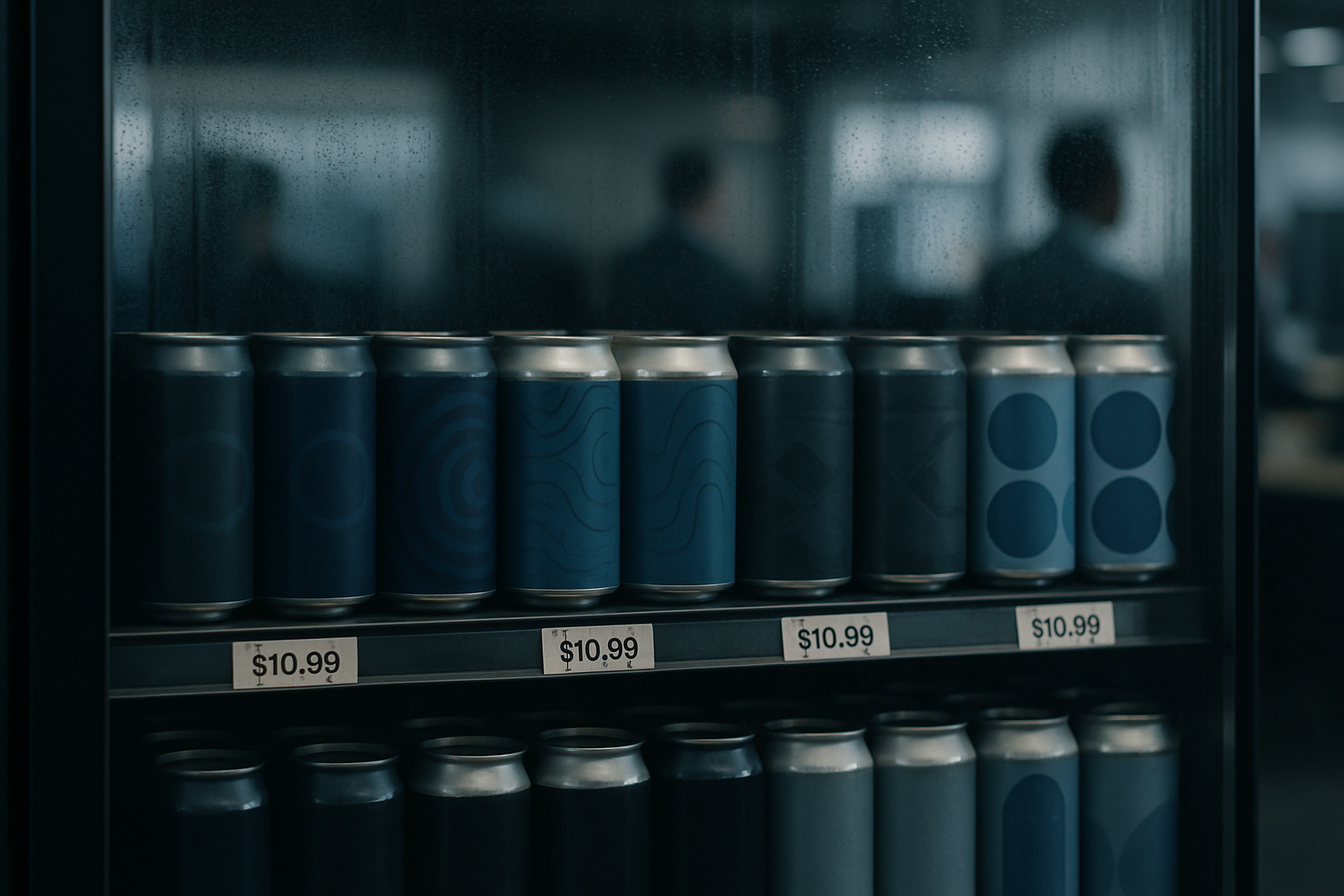
Hard Seltzer Headwinds and the Battle for Shelf Space
The hard seltzer segment, which Boston Beer helped pioneer through Truly, has experienced a marked deceleration following its explosive growth between 2018 and 2021. Volume share for hard seltzers across U.S. off-premise retail channels has contracted meaningfully in recent quarters, as consumers gravitate toward canned cocktails, hard teas, and flavored malt beverages that carry stronger brand associations with established spirits labels. For Boston Beer, which invested heavily in expanding Truly’s distribution footprint and product line, the category’s retreat has translated into inventory challenges and margin compression.
The company has responded by diversifying its portfolio and placing new emphasis on brands such as Twisted Tea, which has demonstrated more durable growth, and Sun Cruiser, its newer entry into the canned iced tea and vodka space. Nevertheless, investors have remained cautious. SAM shares have underperformed several peers in the consumer discretionary and staples crossover space, and the stock’s most recent decline underscored lingering skepticism about the pace and durability of any portfolio-level turnaround. Analysts tracking the company have noted that while Twisted Tea volumes offer a genuine bright spot, they may not yet be large enough to fully offset the drag from seltzer softness.
Investor Sentiment and the Broader Consumer Spending Context
The pressure on Boston Beer’s stock also reflects a wider recalibration among investors assessing discretionary consumer spending. With household budgets still absorbing the cumulative effects of elevated prices across food, fuel, and housing, spending on premium packaged beverages has shown signs of trade-down behavior in certain demographic cohorts. Scanner data from major retail chains has pointed to consumers increasingly gravitating toward value-tier beer products or private-label alternatives, a trend that disproportionately affects craft and premium independent brands relative to the largest multinational brewers with more extensive cost structures and promotional firepower.
Institutional positioning in SAM has reflected these concerns, with several funds trimming exposure in recent months as earnings estimate revisions have trended modestly lower. The stock’s valuation, while not extreme by historical standards, remains difficult to defend aggressively without a clearer inflection in volume trends or a meaningful upside surprise on gross margins. Management has signaled a focus on operational efficiency and targeted marketing investment, but translating those commitments into measurable financial improvement has proven challenging in the current environment. As fuel costs and logistics expenses continue to fluctuate, readers tracking commodity-linked pressures on corporate earnings may find context in reporting on pump price climbs this summer.
The Boston Beer story is, in many respects, a microcosm of the challenges confronting mid-size consumer brands caught between evolving tastes and macroeconomic headwinds. Whether SAM can engineer a credible recovery will depend heavily on the company’s ability to sustain Twisted Tea’s momentum, execute on new product launches, and manage costs in a distribution environment that continues to present logistical complexity. For investors tracking broader market volatility across sectors, the Street earnings season ahead may offer additional signals about consumer resilience that bear directly on Boston Beer’s near-term trajectory.