
Federal Reserve Chair Kevin Warsh is drawing a sharper line between Wall Street’s expectations and the central bank’s actual mandate, making clear that a significant deterioration in economic fundamentals — not merely turbulent equity markets — would be required before he considers deploying the kind of emergency policy support that markets have come to rely on as a backstop. His comments, discussed in a recent Marketplace episode, reflect a broader philosophical shift at the Fed under his leadership.
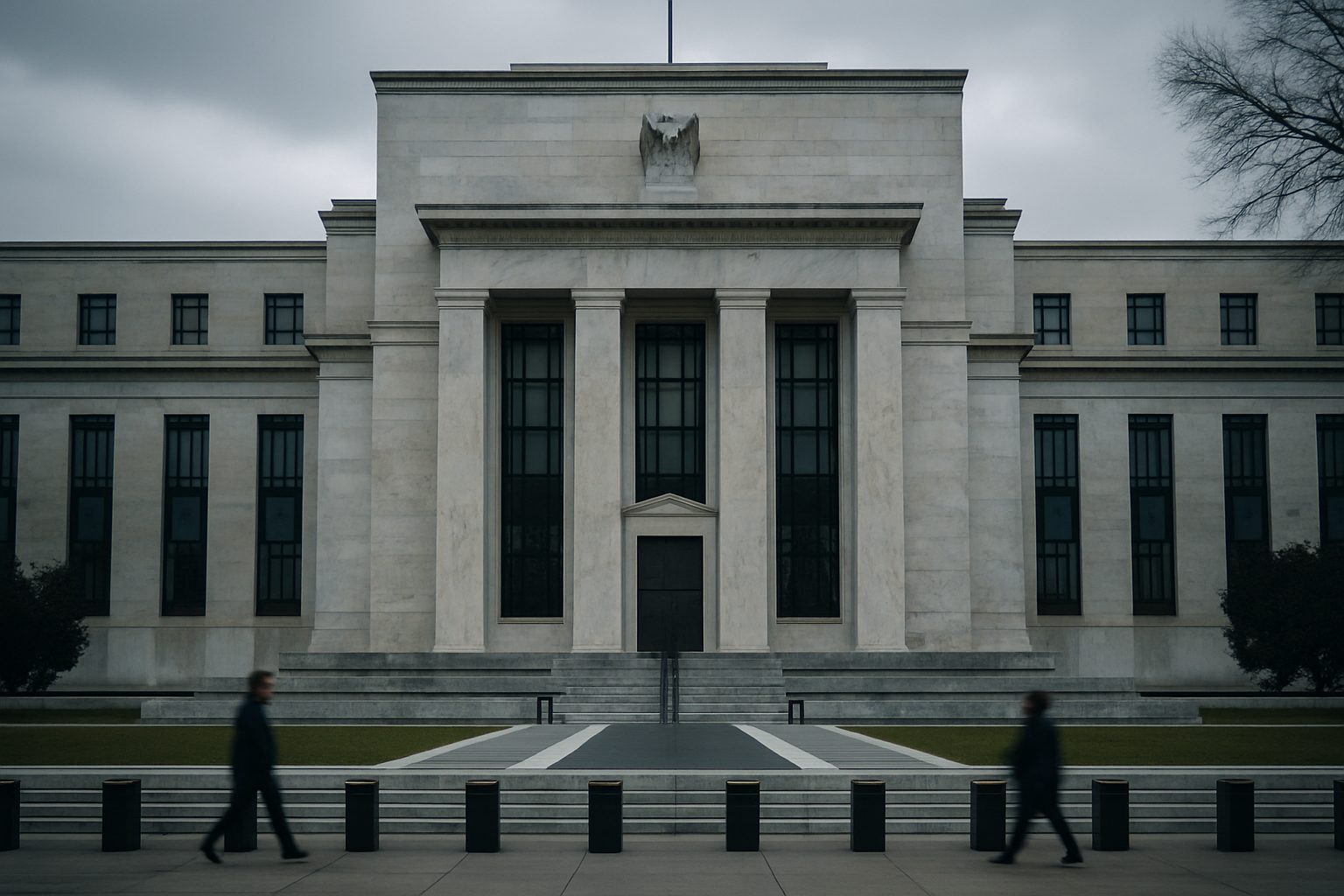
Warsh Redefines the Conditions for Emergency Support
The so-called “Fed put” — a market shorthand for the expectation that the central bank will cut interest rates or expand its balance sheet whenever asset prices fall sharply — has been a defining feature of monetary policy since at least the Alan Greenspan era. Warsh, who took over the Fed chairmanship this year, is signaling that this implicit guarantee is no longer automatic. According to the Marketplace report, Warsh would need to see genuine systemic stress, including meaningful deterioration in labor markets or a breakdown in credit conditions, before acting to shield investors from losses.
This posture is consistent with the broader reform agenda Warsh has laid out since assuming the role. As CNBC reported in its profile of his early tenure, Warsh has pursued what insiders describe as a Fed regime change — restructuring operations and communication practices while maintaining a veneer of institutional continuity. The Fed’s June meeting, during which it voted to hold the federal funds rate steady, underscored that Warsh is in no rush to ease policy simply because financial conditions have tightened at the margins.
Warsh has also emphasized that the Fed’s credibility on inflation must be preserved. With core inflation still running above the 2 percent target and the central bank’s balance sheet remaining historically elevated following years of quantitative easing, he has argued that premature cuts would risk entrenching price pressures and undermining the institution’s long-term independence. As Warsh’s rate stance makes clear, the current hold is not a pause before easing — it is a deliberate signal that the threshold for accommodation has risen.

Market Implications as Investors Recalibrate Expectations
For investors accustomed to the Fed serving as a reliable floor beneath risk assets, Warsh’s stance introduces a meaningful repricing of tail-risk assumptions. Equity markets have periodically tested this resolve; technology and chipmaker stocks, which surged on artificial intelligence enthusiasm earlier this year, experienced sharp single-session pullbacks before recovering. As Fortune noted, what looked like the AI trade’s worst day in roughly a year was ultimately absorbed by buyers confident the broader bull case remained intact — but that confidence partly rested on assumptions about eventual Fed support.
If Warsh succeeds in convincing markets that the put has a much higher strike price than previously assumed, it could meaningfully raise the equity risk premium and compress valuations across rate-sensitive sectors. Fixed income markets are already adjusting; Treasury yields have remained elevated relative to pre-2022 norms, reflecting both the sticky inflation backdrop and reduced expectations of aggressive near-term easing. Retail investors, who have historically over-estimated future market returns, face additional risk if the central bank safety net is less accessible than assumed — a concern explored in recent analysis of the return expectations gap among individual market participants.
A Structural Shift in How the Fed Communicates Risk
Beyond the immediate question of rates, Warsh’s comments point to a structural change in how the Federal Reserve communicates its reaction function to markets. Past Fed chairs, particularly during periods of acute financial stress, were relatively transparent about the conditions under which the central bank would act. Warsh appears to be deliberately introducing ambiguity — a calculated move to reduce the moral hazard that comes with a well-understood backstop.
His approach also has implications for the Fed’s operational independence. The Supreme Court ruling granting the White House expanded authority over federal regulators has raised questions about political pressure on monetary policymakers. By anchoring his decisions to concrete economic data rather than market sentiment, Warsh may be attempting to insulate the Fed’s credibility from both political interference and speculative market behavior simultaneously. Whether that strategy holds under genuine financial stress remains the central question for investors watching the new Fed chair’s every move.