For millions of travelers passing through international terminals each year, the instinct to exchange currency at the airport before departure feels like a sensible precaution. According to personal finance experts, however, it is one of the most financially costly habits a traveler can maintain — and one that the financial services industry has little incentive to correct.
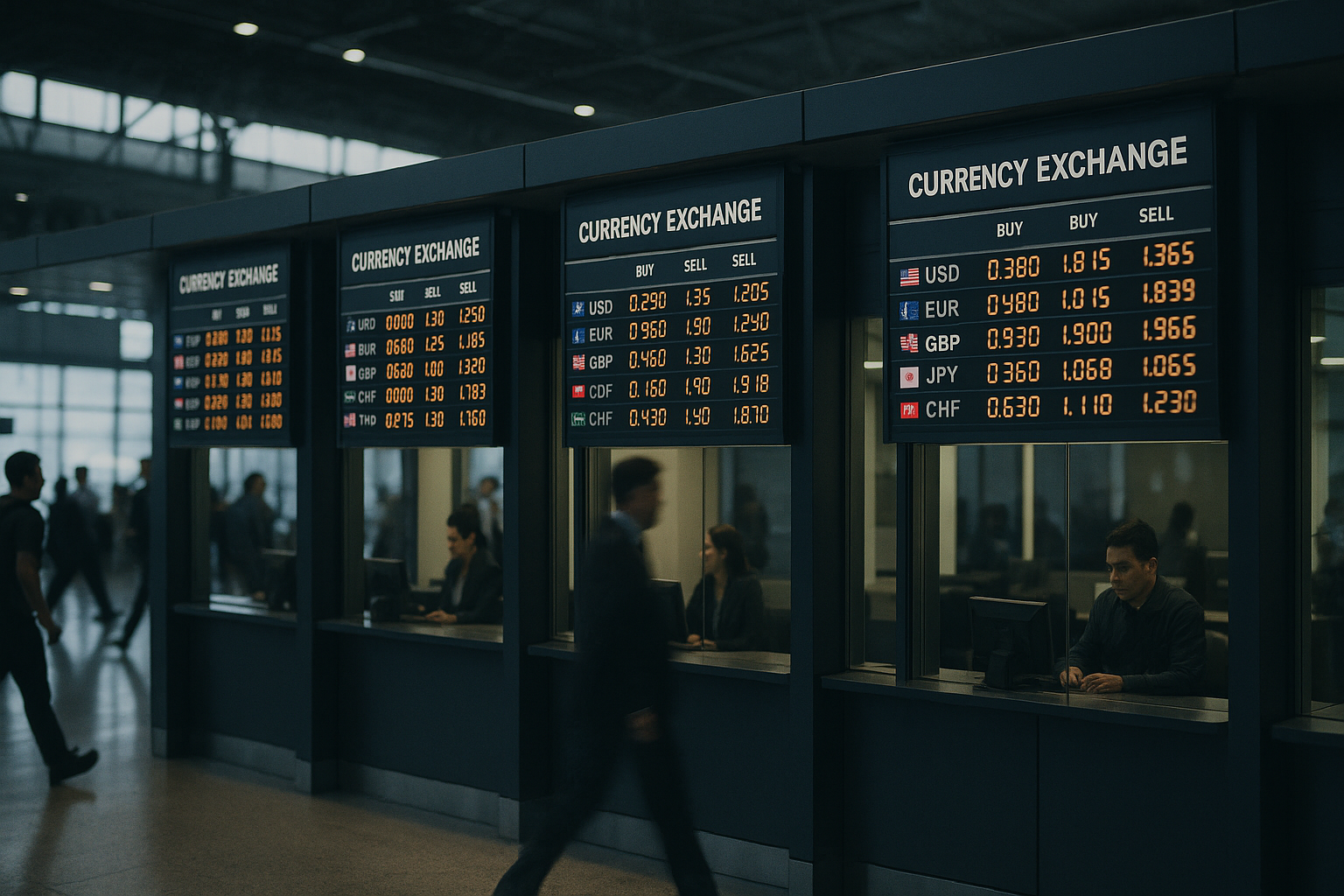
A Yahoo Finance report has brought renewed attention to the practice, citing warnings from personal finance specialists who argue that the convenience of airport currency kiosks comes at a steep and largely undisclosed price. “You have to be careful,” one expert cautioned, noting that the gap between the interbank exchange rate and the rate offered at airport booths can strip between 10 and 15 percent from the effective value of a traveler’s exchanged funds.
The Real Cost Hidden in the Exchange Rate
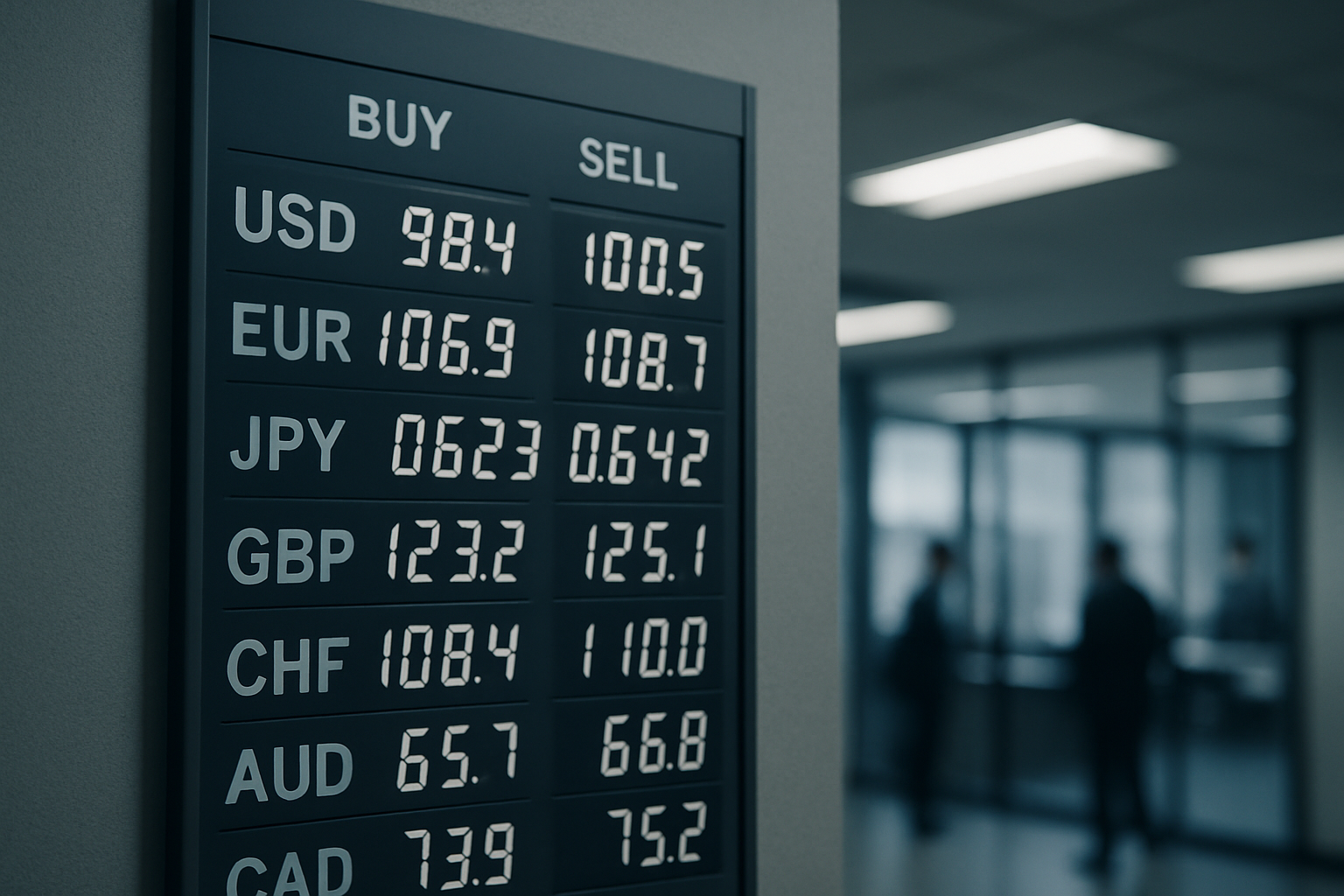
The core issue is not a fee that appears as a line item on a receipt. Instead, the loss is embedded in the spread between what currency exchange operators pay to acquire foreign currency wholesale and what they charge retail customers. On a $1,000 exchange, a 12 percent margin translates to $120 effectively lost before a traveler has made a single purchase abroad. At scale — with hundreds of millions of international trips taken globally each year — the aggregate transfer of wealth from consumers to currency exchange operators is substantial.
Airport operators and concession managers are well aware of this dynamic. Currency exchange desks occupy premium terminal locations partly because arriving and departing passengers are a captive audience with limited time and limited alternatives. Financial experts consistently point travelers toward using no-foreign-transaction-fee credit cards or withdrawing local currency from ATMs at the destination, which typically access rates far closer to the mid-market benchmark. Some specialist travel cards now offer near-interbank rates with no markup whatsoever, representing a meaningful structural improvement for cost-conscious travelers.
Hidden Fees Compound the Problem
The currency exchange margin is rarely the only charge a traveler faces. Additional commissions, service fees, and “handling charges” are frequently layered on top of the unfavorable rate, particularly at booths operated within airport concession agreements. A traveler may see a sign advertising “zero commission” only to find the exchange rate itself has been adjusted to compensate. These compounding costs mirror a broader pattern in consumer finance. As Livemint’s analysis of hidden credit card fees demonstrates, financial products frequently obscure their true cost of use behind terminology and structures that make direct comparison difficult for ordinary consumers.
Dynamic currency conversion — offered at many overseas point-of-sale terminals and ATMs — presents a related trap. When a card machine abroad asks whether a traveler would like to pay in their home currency rather than the local one, accepting that offer typically triggers a conversion rate set by the merchant’s payment processor, not the cardholder’s bank. The apparent convenience of seeing a familiar currency denomination can carry an additional surcharge of 3 to 5 percent on top of any existing foreign transaction fees.
Planning Ahead Remains the Most Reliable Defense
Financial advisers consistently identify pre-trip preparation as the single most effective tool travelers have to avoid unnecessary exchange costs. Ordering foreign currency through a bank or specialist online currency broker several days before departure typically yields materially better rates than any airport booth, with some services delivering cash directly to a customer’s home address. For destinations with reliable banking infrastructure, withdrawing modest amounts of local currency on arrival via a low-fee debit card remains a competitive alternative.
Awareness of these dynamics matters beyond leisure travel. Business travelers, expatriates, and those sending remittances internationally face the same structural disadvantages at greater scale and frequency. As broader consumer financial literacy remains a policy concern — evidenced by ongoing regulatory attention to fee disclosure standards in multiple jurisdictions — the airport currency exchange remains a durable example of a market where information asymmetry consistently works against the consumer. For coverage of how broader consumer spending pressures are shaping financial behavior, and how travelers and households alike are navigating labour market uncertainty, The Fiscalist continues to track the intersection of personal finance and macroeconomic conditions.