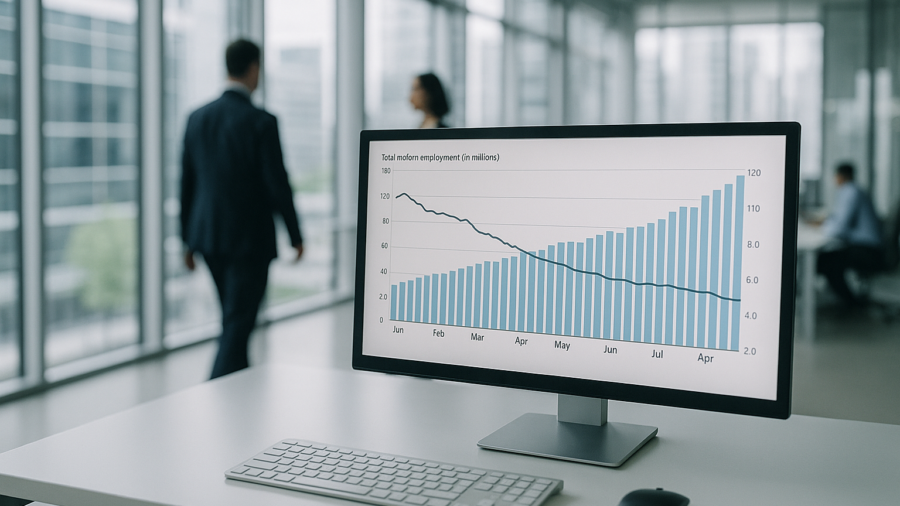
The United States labour market delivered a weaker-than-anticipated performance in June, with the latest employment figures falling short of economist forecasts and adding to a growing body of evidence that the long-running hiring boom is beginning to lose steam. The report, characterised by Marketplace reporting as underwhelming, prompted immediate debate among analysts and policymakers over the direction of monetary policy heading into the second half of 2026.
Nonfarm payrolls expanded by approximately 130,000 in June, a figure that fell meaningfully below the consensus estimate of around 175,000 and represented one of the softer monthly prints recorded this year. The unemployment rate held steady at 4.2 percent, but the headline stability masked underlying softness in hours worked and labour force participation, both of which edged lower during the month.

Sector Breakdown Reveals Uneven Hiring Pressures
The deceleration was not uniform across industries. Healthcare and social assistance continued to add jobs at a reliable clip, contributing roughly 40,000 positions to the monthly total, while government hiring also provided modest support. However, manufacturing shed positions for the third consecutive month, a trend economists attribute to persistent uncertainty around trade policy and elevated input costs tied to tariffs that remain in place from earlier rounds of bilateral negotiations.
Leisure and hospitality, a sector that powered recovery-era job gains in prior years, posted only marginal growth of around 12,000 jobs in June, compared with monthly averages closer to 35,000 recorded in the same period a year earlier. Retail trade was essentially flat, while professional and business services, long regarded as a bellwether for corporate confidence, contracted slightly — an outcome that reinforced concern about softening demand for white-collar labour amid ongoing cost-cutting programmes at major firms.
Federal Reserve Faces Renewed Pressure Over Rate Path
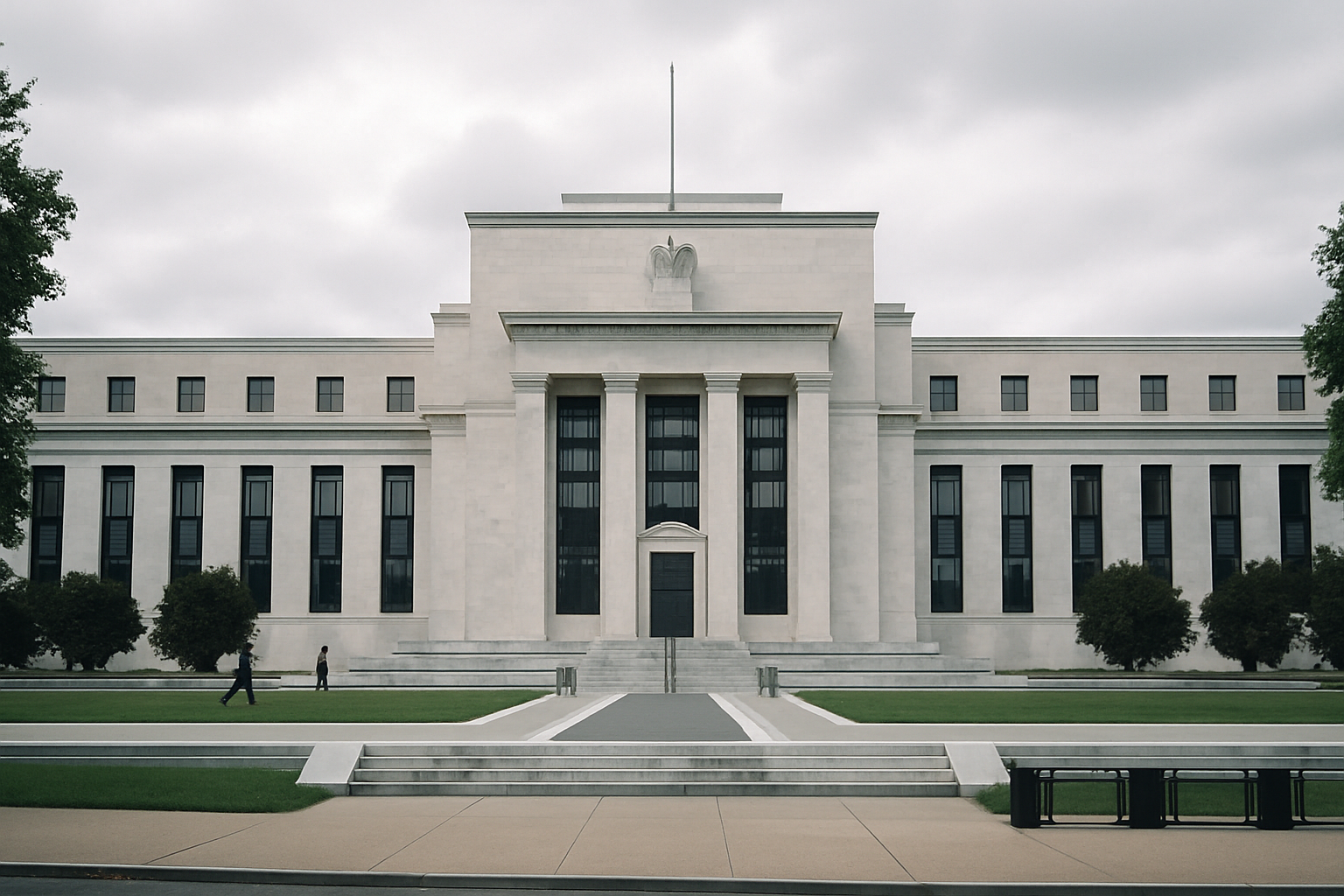
The weaker print has sharpened the debate inside and outside the Federal Reserve over when officials might feel comfortable reducing interest rates. Prior to the June data release, market participants had been pricing in one or possibly two rate cuts before year-end. Following the report, futures markets shifted to reflect a higher probability of an earlier first cut, though Fed officials have consistently emphasised their intention to remain data-dependent and cautious given lingering inflationary pressures in services.
The report arrives at a delicate moment for broader financial markets, which have rallied sharply in 2026 on the back of enthusiasm surrounding artificial intelligence investment. Some analysts have begun sounding cautionary notes about the sustainability of that momentum. A Fortune analysis warned that top strategists are drawing comparisons to the late-1990s technology bubble, with concerns that investor expectations have outrun the earnings fundamentals underpinning current valuations. A meaningful deterioration in the labour market could act as a catalyst that brings those stretched valuations into sharper focus.
Wage growth offered a marginal silver lining, with average hourly earnings rising 0.2 percent month-on-month and 3.7 percent on an annualised basis. While that pace remains above the Federal Reserve’s comfort zone in the context of its 2 percent inflation target, it represents a meaningful deceleration from the 4.5 percent readings that characterised much of 2024. Whether that trajectory continues will be a central focus when the Fed’s policy committee next convenes.
For investors and economists alike, the June numbers reinforce a broader narrative of a labour market transitioning from exceptional tightness to something closer to historical norms — a process that is manageable if gradual, but which carries downside risks if it accelerates. Readers tracking the evolving macroeconomic backdrop may also find context in our earlier coverage of Fed policy recalibration and its intersection with technology sector demand, as well as our reporting on PayPal quarterly results as a proxy for consumer spending resilience heading into the third quarter.