
As the initial public offering market begins to show renewed signs of life following years of suppressed activity, a growing number of analysts and investment bankers are pointing to a single company as the definitive model for how the next wave of landmark listings will unfold. SpaceX, Elon Musk’s private aerospace and satellite conglomerate, has quietly constructed a financial architecture that many believe will define what a future generation of mega-cap IPOs looks like — and why the traditional rush to go public may no longer serve the interests of the most valuable private companies.
According to a CNBC analysis, SpaceX’s model centers on an extended private tenure supported by secondary market liquidity, structured tender offers, and selective institutional fundraising rounds that have allowed the company to reach an estimated valuation exceeding $350 billion without subjecting itself to the quarterly earnings scrutiny and regulatory disclosure requirements that accompany a public listing. That valuation would place SpaceX among the twenty largest companies in the United States by market capitalization — before a single share has traded on a public exchange.

The Economics of Staying Private at Scale
The traditional IPO narrative has long held that going public is an inevitable milestone for any company of significant ambition — a mechanism for founders to unlock liquidity, institutional investors to participate in growth, and companies to access deep capital markets. SpaceX has effectively upended that logic. By establishing a robust secondary trading infrastructure for employee and early-investor shares, the company has delivered liquidity without the accompanying loss of strategic control that a public float typically demands. Tender offers conducted at regular intervals have allowed employees to monetize equity stakes while keeping the cap table tightly managed.
The financial implications for the broader market are substantial. If companies such as Stripe, Databricks, Anduril, and other high-profile private technology firms follow a comparable trajectory — scaling aggressively through private capital before eventually listing at valuations north of $100 billion — the composition of any single IPO cohort could shift dramatically. Rather than dozens of mid-sized listings generating modest individual proceeds, the market may instead see a handful of genuinely transformative debuts that each rival or exceed the scale of the 2012 Facebook offering, which raised approximately $16 billion and briefly valued the social media company at around $104 billion at the time of listing.
Implications for Institutional Investors and Market Structure
The SpaceX model creates both opportunity and tension for institutional allocators. On one hand, the extended private phase allows companies to refine business models, achieve genuine profitability, and remove much of the speculative risk that burdened earlier vintages of technology IPOs. On the other hand, a prolonged private tenure concentrates pre-IPO returns among a narrow class of venture capital firms, sovereign wealth funds, and elite private equity allocators who gain access to late-stage funding rounds — effectively locking out the retail and broader institutional market until valuations have already compounded significantly.
This dynamic has intensified debate among regulators and market participants over whether current securities frameworks adequately serve public investors in an environment where companies of SpaceX’s scale choose to remain private indefinitely. The Securities and Exchange Commission has previously explored reforms to the accredited investor definition and secondary market disclosure rules, though progress has been incremental. Investors tracking the broader consequences of this shift may find relevant context in The Fiscalist’s earlier coverage of AI investment waves and how portfolio managers are repositioning ahead of anticipated structural changes in the technology sector.
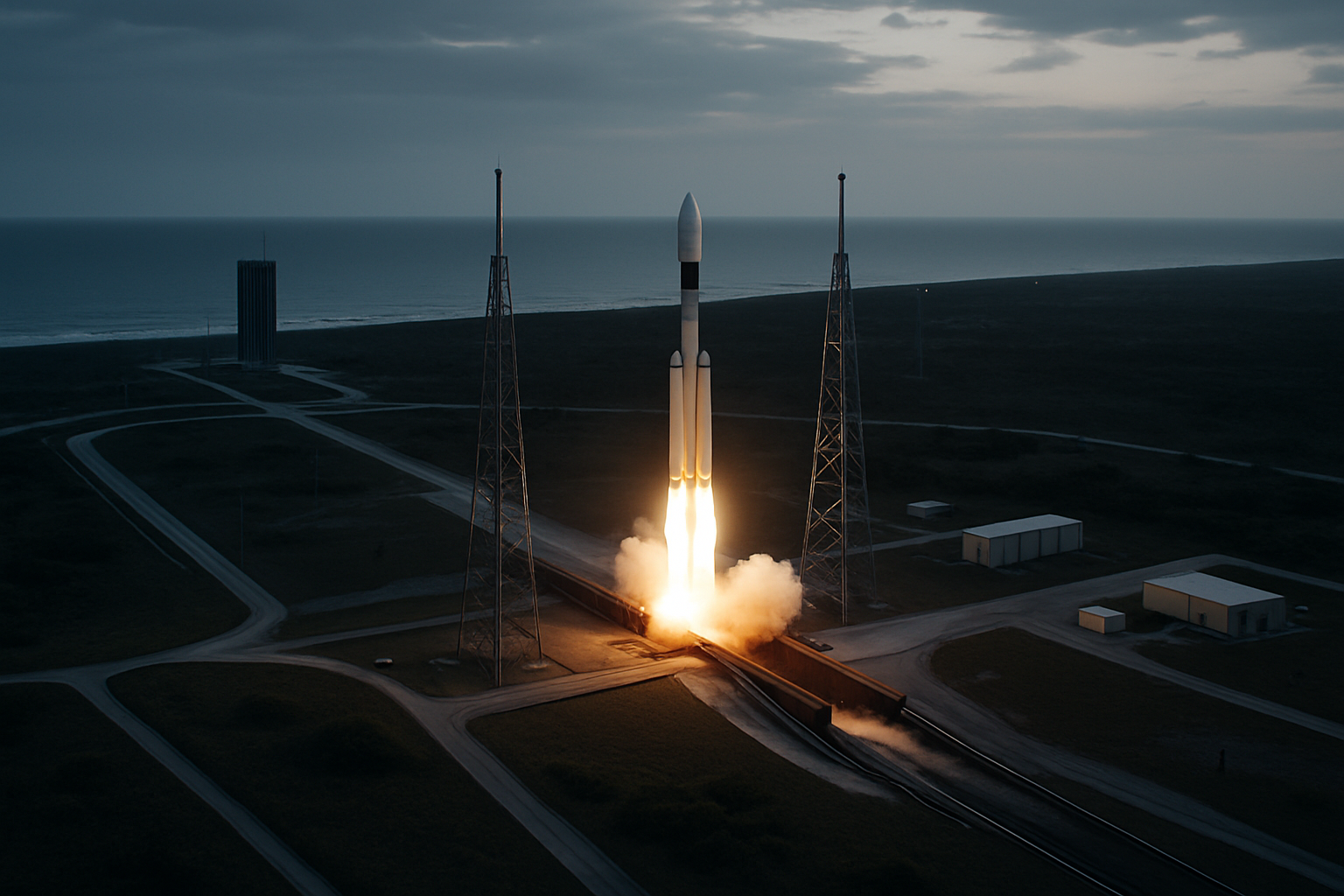
The timing of any eventual SpaceX IPO remains publicly unconfirmed. Musk has historically been dismissive of near-term listing plans, citing the distractions of public market obligations as incompatible with the long-horizon capital intensity of orbital launch programs and the Starlink satellite broadband network. Starlink itself has been discussed separately as a potential standalone listing candidate, a structure that could allow SpaceX to extract public market capital from its most commercially mature division while keeping the parent entity’s more speculative programs insulated from quarterly market pressure. Whether that structure gains traction may determine whether the SpaceX blueprint becomes a genuine template or merely an exceptional case study for the most elite tier of private company formation.
For the broader IPO pipeline, the message from bankers watching these developments closely is that patience has become a competitive advantage. Companies willing and financially capable of delaying their listing until they can command truly transformative valuations are rewriting the terms on which capital markets must engage with the private sector — and the public market ecosystem is only beginning to adapt to that reality.