
JPMorgan Chase Chief Executive Jamie Dimon has warned that aggregate capital expenditure by the world’s largest cloud computing providers on artificial intelligence infrastructure could approach $1 trillion within the next year, a figure that would represent one of the most concentrated industrial investment surges in modern economic history. Dimon made the remarks at JPMorgan’s India investor conference, according to a CNBC report on the event. The projection underscores the degree to which AI-related capital allocation has become a defining force in global technology and financial markets, and the scale of the number drew immediate attention from analysts tracking the sector’s spending trajectory.
The comments arrive at a moment when the so-called hyperscalers — a group that includes Microsoft, Alphabet, Amazon, and Meta — have already disclosed combined annual capital expenditure plans running well into the hundreds of billions of dollars, with AI data centres, custom silicon, and power infrastructure accounting for a growing majority of those commitments. Dimon’s $1 trillion threshold, while striking, is not entirely at odds with extrapolations from the public guidance those companies have already provided. Investors watching Oracle’s cloud division and its peers have grown accustomed to upward revisions in infrastructure budgets throughout 2025 and into 2026.

The Economic Weight of Unprecedented Capital Flows
The scale of AI-related investment being discussed at the highest levels of banking and finance carries implications that extend far beyond the technology sector itself. If aggregate hyperscaler spending were to approach $1 trillion in a single calendar year, it would constitute a capital deployment event roughly comparable to the annual infrastructure investment of several mid-sized national economies. Dimon’s framing of the figure was notable not merely for its size but for the implicit suggestion that it represents a structural shift rather than a cyclical spike — one that JPMorgan and other major financial institutions are increasingly incorporating into their macroeconomic and credit outlooks.
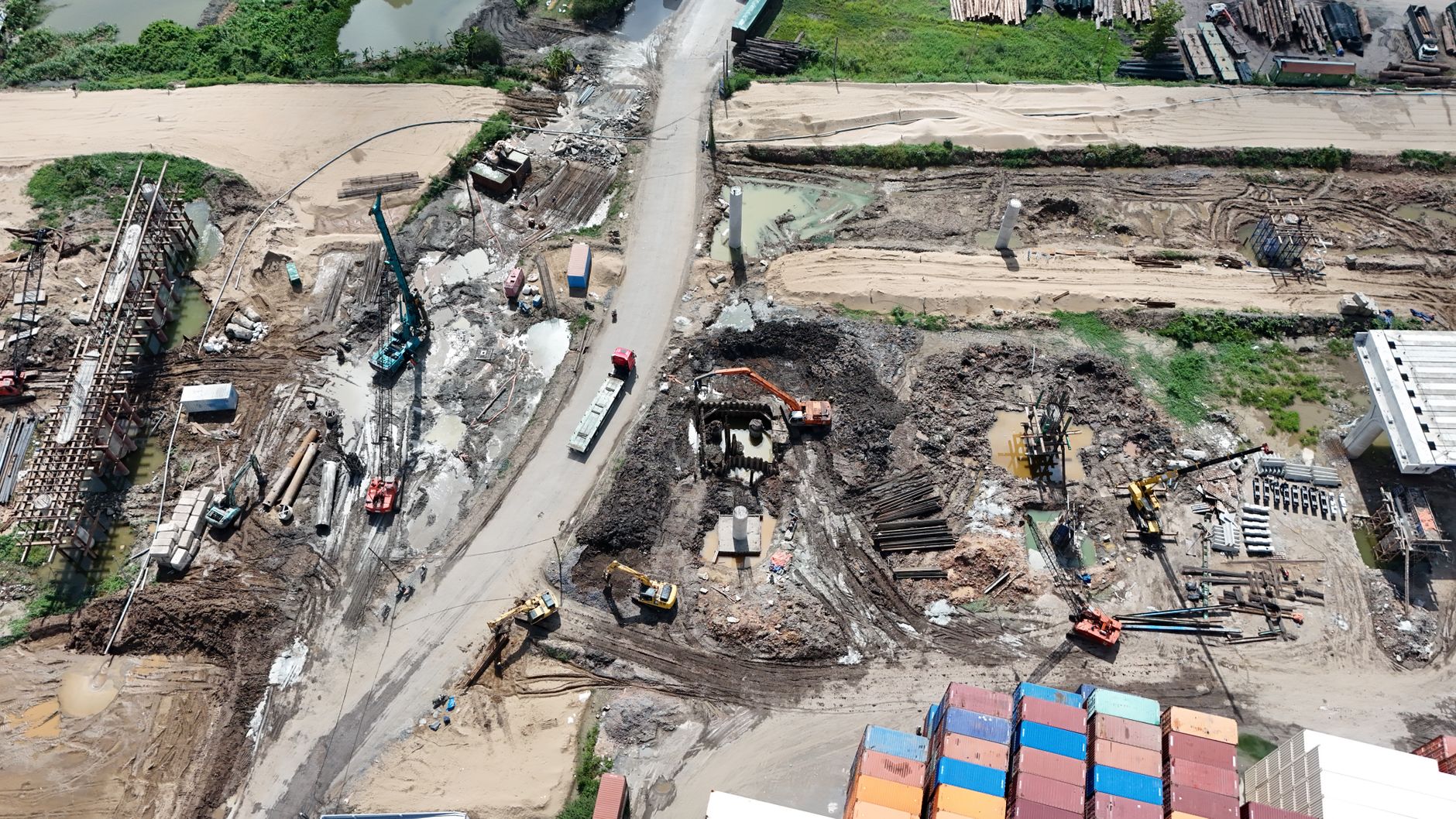
Economists and strategists have begun modelling what sustained AI infrastructure investment at this level would mean for electricity demand, semiconductor supply chains, construction markets, and commercial real estate. Data centre power consumption alone is already pressuring utilities in the United States, Europe, and parts of Asia, with projections from grid operators suggesting that hyperscaler facilities could account for a meaningfully higher share of national electricity loads by the end of the decade. For investors navigating the energy transition, the AI buildout introduces a competing and urgent source of demand that is increasingly difficult to ignore, as coverage of Sempra’s LNG expansion and broader energy infrastructure deals has illustrated.
Dimon’s Broader Reading of AI’s Financial Significance
Beyond the raw capital expenditure figure, Dimon’s India conference remarks reflected a broader thesis that JPMorgan’s leadership has been developing for several years: that artificial intelligence is not a discrete product category but a foundational technological shift with implications for productivity, labour markets, and competitive dynamics across virtually every industry. JPMorgan itself has invested heavily in AI tooling across its trading, compliance, and retail banking operations, and Dimon has previously indicated that the bank is deploying AI in ways that are beginning to produce measurable efficiency gains, though he has also cautioned against overestimating the speed at which transformative outcomes materialise.
The concentration of spending among a small number of hyperscale operators has also drawn scrutiny from regulators and competition authorities in multiple jurisdictions, who are examining whether the capital advantages enjoyed by the largest cloud providers risk entrenching dominance across adjacent markets. Dimon did not specifically address regulatory risk in his conference remarks as reported, but the investment community is acutely aware that the permitting environment for large data centre projects, alongside electricity grid access and environmental approvals, could constrain actual deployment relative to announced spending intentions. Whether the $1 trillion figure ultimately reflects completed capex or headline commitments remains a distinction that markets will be watching closely as quarterly earnings reports from the major hyperscalers accumulate through late 2026.