
Iran’s economy has contracted sharply since the outbreak of the current conflict, with losses concentrated in the country’s hydrocarbon sector delivering a blow that economists say amounts to roughly 10 percent of gross domestic product. The figures, reported by Al Jazeera in a September 2026 analysis, underscore just how exposed Tehran’s finances remain to any sustained disruption of oil and natural gas output. The damage extends well beyond headline production figures, rippling through foreign exchange reserves, government spending capacity, and the wider domestic economy. The toll on ordinary Iranians has been compounded by years of pre-existing inflationary pressure, a dynamic already documented in the country’s marriage economy, where social institutions have buckled under the combined weight of war costs and chronic price instability.
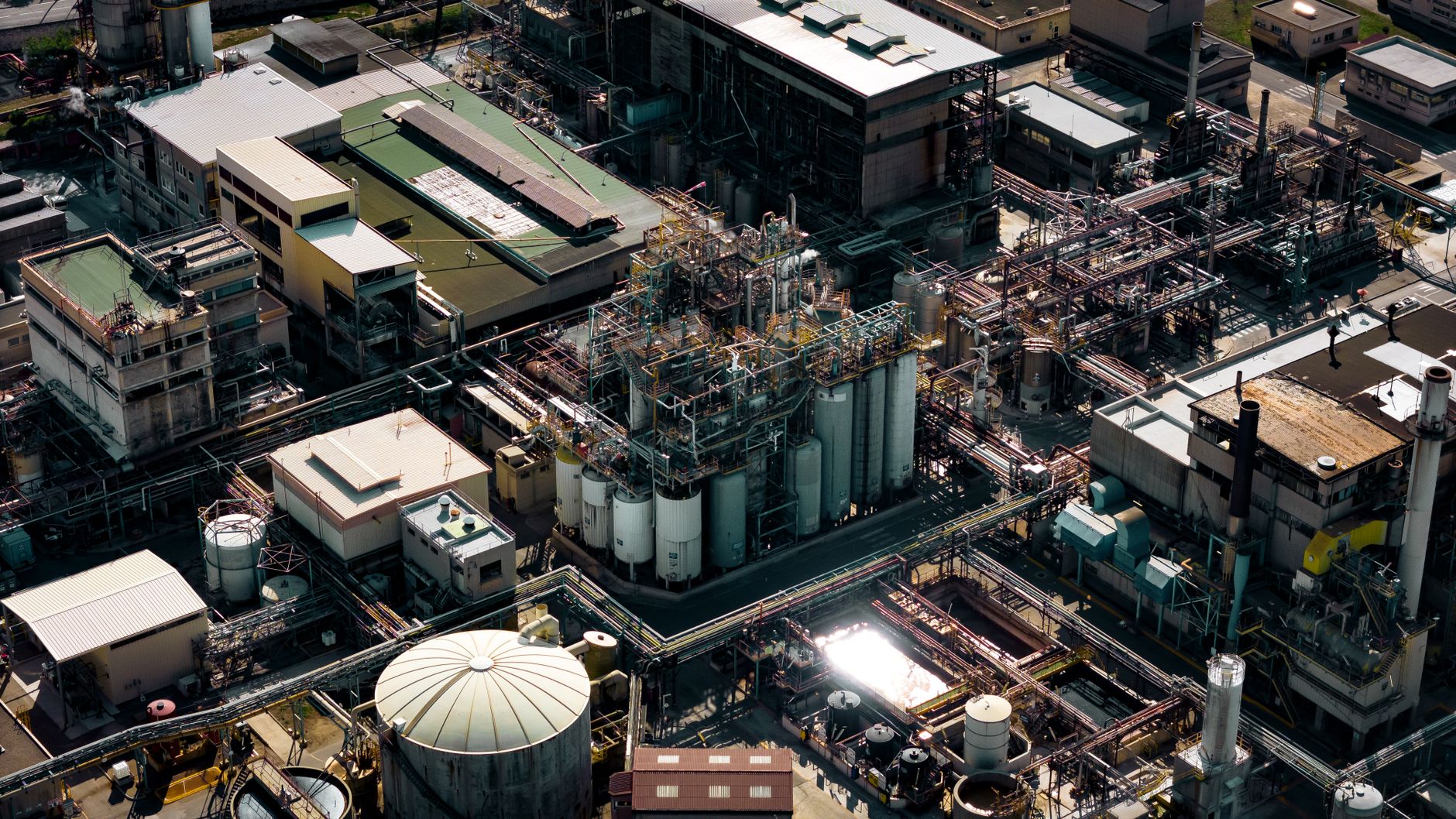
Prior to the conflict, the hydrocarbons sector accounted for between 20 and 25 percent of Iran’s GDP in productive years, while also functioning as the primary source of government revenue and hard currency. With export infrastructure damaged, tanker movements disrupted, and international buyers deterred by escalating risk premiums, effective output has fallen well below pre-war baselines. Independent energy analysts estimate that Iran’s crude oil production, which had recovered toward 3.2 million barrels per day before hostilities intensified, has since dropped by at least 800,000 to 1 million barrels per day. At current global benchmark prices, that daily shortfall translates into a revenue loss exceeding $50 million every 24 hours, a figure that compounds rapidly over months of sustained conflict.
Infrastructure Damage and the Natural Gas Compounding Factor
The scale of losses is not limited to crude oil. Iran holds the world’s second-largest proven natural gas reserves, and domestic gas infrastructure has sustained significant damage that carries both economic and humanitarian consequences. Pipeline networks feeding industrial facilities and power generation plants have been disrupted, forcing unplanned curtailments in manufacturing output and electricity production. Factories operating below capacity have added to unemployment pressures in cities already strained by wartime migration. The energy shock is feeding directly into industrial deflation in some sectors and consumer price inflation in others, creating a bifurcated economic environment that defies simple monetary policy responses.
Gas export revenues, which Tehran had been cultivating through regional pipeline arrangements as a partial offset to sanctions-constrained oil sales, have similarly deteriorated. Analysts note that the strategic importance of the Persian Gulf energy corridor has been acutely highlighted by these disruptions. Separately, broader regional energy market observers have pointed out that an along Strait Hormuz carries implications far beyond Iran’s borders, potentially triggering lasting shifts in global energy consumption patterns and carbon output trajectories.
Fiscal Fallout and the Path to Recovery
The contraction in hydrocarbon revenues has forced the Iranian government into difficult fiscal choices, accelerating drawdowns on the National Development Fund and pushing the budget deficit to levels that risk monetization. Economists monitoring the situation estimate that the government’s oil-linked revenue base has shrunk by at least 40 percent in effective terms since the onset of the conflict, squeezing spending on infrastructure, social transfers, and debt servicing simultaneously. The rial has continued to depreciate on unofficial markets, eroding purchasing power for households already dealing with import shortages caused by the conflict and pre-existing sanctions architecture.
Recovery scenarios remain highly contingent on the pace and terms of any ceasefire or political settlement. Even under an optimistic timeline, energy economists argue that restoring production capacity to pre-conflict levels would require 18 to 36 months of sustained capital investment in upstream facilities, much of which depends on the re-engagement of foreign technical partners currently prohibited or deterred by sanctions. The longer the conflict persists, the greater the risk that reservoir damage from deferred maintenance becomes permanent, locking in a structural reduction in Iran’s productive capacity rather than a cyclical one. For a government that has historically relied on hydrocarbon revenues to fund nearly half of its annual budget, that distinction carries profound long-term consequences for public finances and economic stability alike.