For millions of young Iranians, the traditional pathway to marriage has long been an economic negotiation as much as a personal milestone. Today, that negotiation is collapsing under the compounding pressure of war-related expenditures, currency depreciation, and inflation that has eroded purchasing power across nearly every income bracket. As Al Jazeera reported in depth, the financial architecture of Iranian marriage is being fundamentally rewritten, with sweeping consequences for demographics, domestic consumption, and long-term economic stability.
The pressures bearing down on Iranian households are not isolated. Regional conflict has driven up the cost of imported goods, strained government finances, and accelerated the devaluation of the rial, which has lost a significant portion of its value against major currencies over the past two years. For context, Iran’s annual inflation rate has hovered well above 40 percent in recent periods, gutting real wages and making the customary financial prerequisites of marriage — including the mahr, a mandatory bride gift that often takes the form of gold coins, property, or cash — increasingly unattainable for working-class and even middle-class families. The dynamics bear uncomfortable resemblance to consumer spending pressures seen across other emerging economies where structural inequality distorts household financial planning.
The Mahr Economy and the Gold Standard Problem
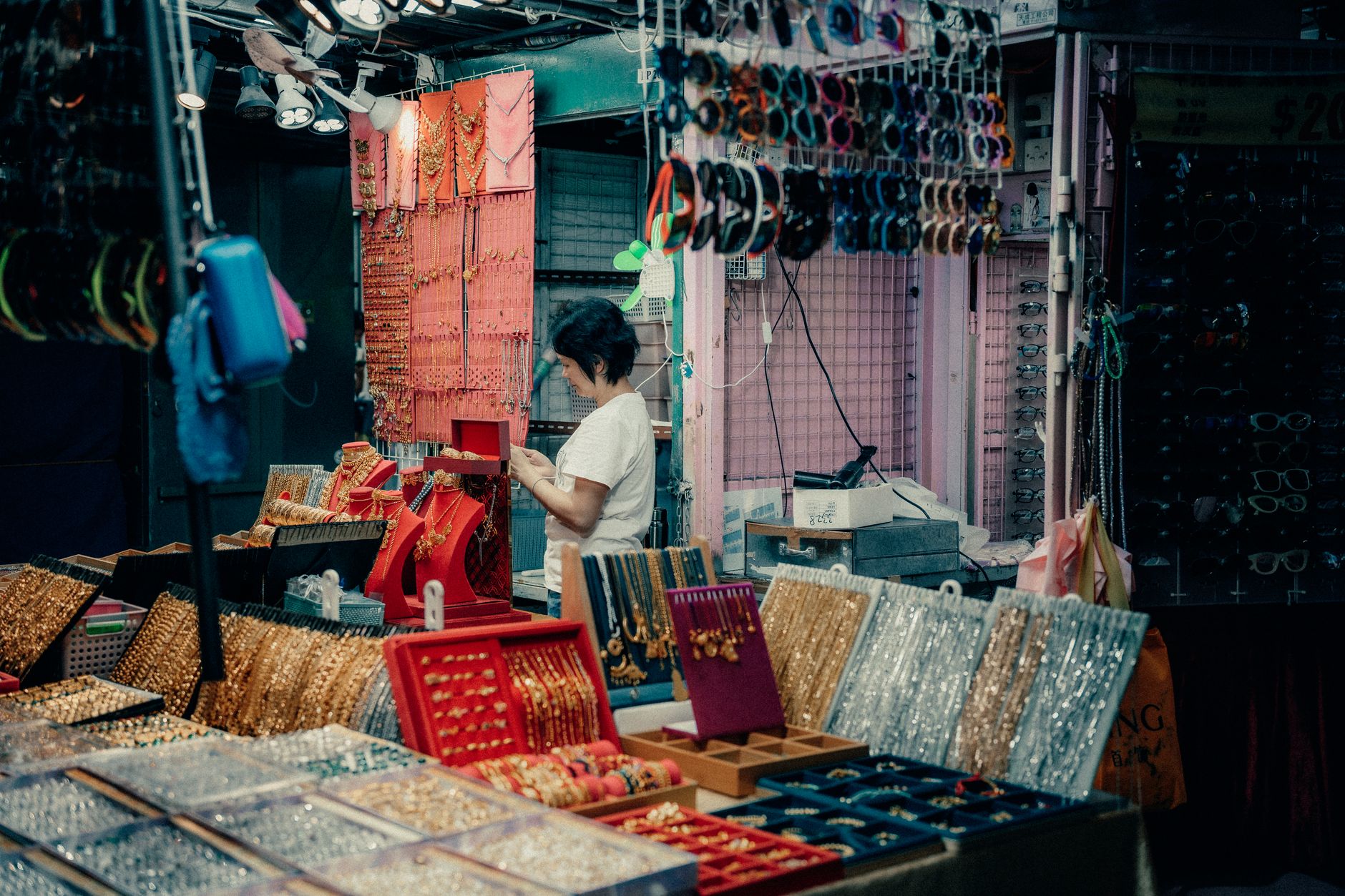
At the center of Iran’s marriage financing crisis is the mahr, whose value is conventionally pegged to Bahar Azadi gold coins. As gold prices have surged globally and the rial has weakened domestically, the real cost of a standard mahr has ballooned. A mahr set at 110 gold coins — once considered a middle-market benchmark — now translates to a sum that can exceed several years of average household income. Families that locked in mahr agreements years ago find the obligations unenforceable, while prospective grooms face an entry barrier that many simply cannot clear.
Wedding ceremonies themselves have followed a parallel inflationary track. Venue costs, catering, and ceremonial clothing have all risen sharply, with some estimates suggesting total wedding expenditures for a modest celebration in urban centers like Tehran now routinely exceed what a median Iranian worker earns in a full year. The result is a growing cohort of couples opting for delayed engagements, scaled-down ceremonies, or informal cohabitation arrangements that sidestep formal marriage altogether — each choice carrying its own downstream effect on household formation rates and the consumer sectors that depend on them.
Demographic and Macroeconomic Fallout
The postponement of marriage at scale is not merely a cultural shift; it is a macroeconomic signal with measurable consequences. Iran’s birth rate has been on a declining trajectory for years, and economists have warned that further delays in household formation could accelerate that trend, compressing the working-age population that the state depends on to sustain pension systems and domestic consumption. A generation of deferred family formation translates directly into suppressed demand in real estate, consumer durables, and retail sectors — categories that collectively represent a substantial share of Iran’s non-oil GDP.

The war dimension compounds the demographic calculus further. Military expenditures and sanctions-related economic dislocations have diverted capital away from productive investment, weakening the employment prospects of young men in particular — traditionally the primary financial providers in Iran’s marriage market. The geopolitical strain radiating across the region has already drawn attention for its energy market implications; analysts tracking Hormuz oil dynamics have noted that prolonged regional instability tends to suppress long-cycle investment, a pattern that ultimately feeds back into labor markets and household income. Until inflation is brought under meaningful control and conflict-related costs subside, the financial terms of marriage in Iran are likely to remain out of reach for a growing share of the population — a quiet demographic crisis unfolding in real time.