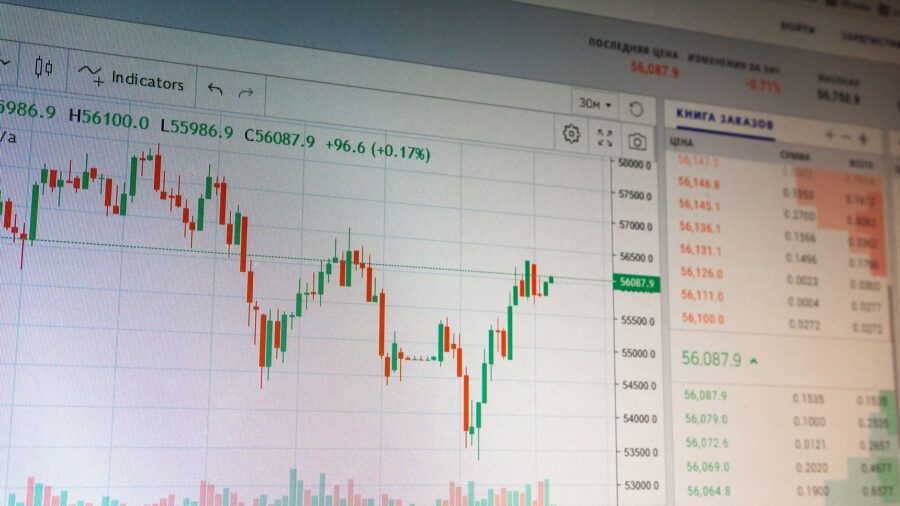
For much of the past decade, the loudest conversations on Wall Street originated in equity trading rooms. That balance is shifting. As interest rate uncertainty persists well into 2026, fixed-income desks have reclaimed an authority over market direction that many observers had assumed was diminished for good. Bond traders, once treated as the workmanlike counterparts to their equity colleagues, are now setting the tone for asset allocation decisions across institutional portfolios globally. The growing influence of the borrowing cost environment on corporate profitability has only amplified the weight those desks carry.
According to a report by Marketplace, bond traders have stepped into a prominence that reflects deeper structural changes in how financial markets process macroeconomic signals. With the Federal Reserve navigating a delicate path between sustaining economic growth and containing residual inflationary pressure, every basis-point move in Treasury yields carries outsized consequences for equities, credit, and currency markets alike. The benchmark 10-year Treasury yield has remained in a range that would have been considered restrictive by historical standards, keeping bond desks at the centre of every cross-asset conversation.
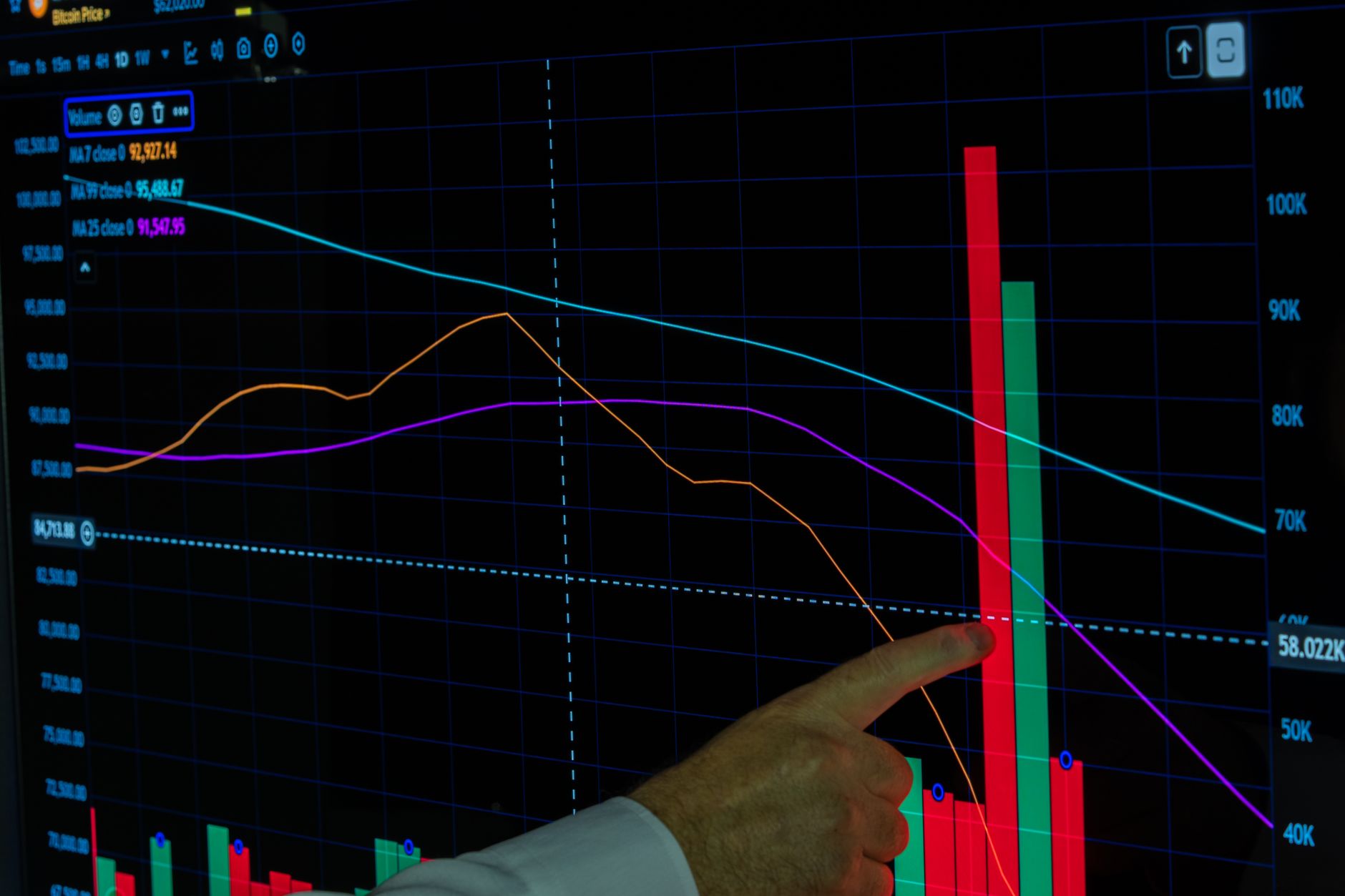
Why the Rate Cycle Elevated Fixed-Income Desks
The resurgence of bond trader influence is not incidental. When the Federal Reserve began its aggressive tightening cycle in 2022, it effectively handed fixed-income professionals a lever they had not controlled so visibly since the early 1990s. Yields on two-year Treasuries climbed to multi-decade highs, and the inversion of the yield curve — a closely watched recession signal — persisted for longer than most models anticipated. By the time markets entered 2026, the question of when and how aggressively the Fed might ease policy had become the defining variable for virtually every asset class, a reality that placed bond traders squarely in the analytical driver’s seat.
Institutional data suggests that fixed-income trading volumes at major banks surged by an estimated 18 to 22 percent year-over-year during peak volatility windows in 2025, with some primary dealers reporting their strongest bond desk revenues in more than fifteen years. That revenue story has drawn talent, capital, and management attention back toward departments that many banks had quietly deprioritised during the prolonged low-rate era following the 2008 financial crisis. For younger professionals entering capital markets, fixed income has re-emerged as an intellectually and financially compelling career track — a reversal of the trend that saw equity derivatives and quantitative strategies monopolise elite recruiting pipelines for much of the 2010s.
Broader Market Implications of Fixed-Income Dominance
The elevation of bond traders carries consequences that extend well beyond the walls of any single trading room. When fixed-income sentiment drives cross-asset positioning, equity valuations become more sensitive to yield movements than to earnings fundamentals — a dynamic that has frustrated equity analysts and corporate management teams alike. Companies that built growth strategies around cheap debt now face a structurally different cost of capital, a pressure point examined at length in reporting on how retail investing behaviour has adapted to a higher-rate environment. Meanwhile, sovereign debt markets in Europe and Asia have mirrored the volatility originating in U.S. Treasuries, amplifying the global reach of decisions made on American fixed-income desks.

Policymakers are acutely aware of the feedback loop. When bond traders price in rate expectations aggressively — whether dovish or hawkish — they effectively pre-empt central bank decisions, tightening or loosening financial conditions before any official announcement is made. This dynamic, sometimes called the market’s shadow monetary policy, gives fixed-income desks an almost regulatory weight in the economy. Critics argue the arrangement creates instability, as herd behaviour among large bond traders can amplify yield swings beyond what underlying economic data would justify. Proponents counter that liquid, active bond markets are the most efficient mechanism for transmitting monetary signals to the real economy.
What is beyond dispute is that the current environment has restored fixed-income trading to a position of strategic importance not seen in a generation. As the Federal Reserve’s next policy pivot remains a subject of intense debate heading into the final quarter of 2026, bond desks show little sign of relinquishing the spotlight they have reclaimed.