
The Indian rupee weakened to its lowest level in seven days on Tuesday, pressured by a sharp climb in global crude oil prices that is rekindling fears of imported inflation and adding to concerns about India’s external balance. The currency slipped to approximately 84.60 against the US dollar in early trading before recovering slightly, as market participants weighed the implications of higher energy costs on an economy already navigating a complex macroeconomic environment. With India importing roughly 85 percent of its crude oil requirements, the country remains acutely exposed to swings in global energy markets — a vulnerability that traders and policymakers are watching closely. Parallels can be drawn to China’s demand picture, where softening domestic consumption is rippling outward and complicating the global inflation calculus.
According to a Business Standard report, the rupee’s decline came as Brent crude futures pushed toward the upper end of their recent trading range, lifting concerns that India’s import bill would balloon and exert renewed downward pressure on the currency. The Reserve Bank of India has periodically intervened in foreign exchange markets to prevent excessive volatility, and traders expect the central bank to remain on guard should the rupee’s slide accelerate. The dollar index, meanwhile, held relatively firm, compounding pressure on emerging-market currencies including the rupee.
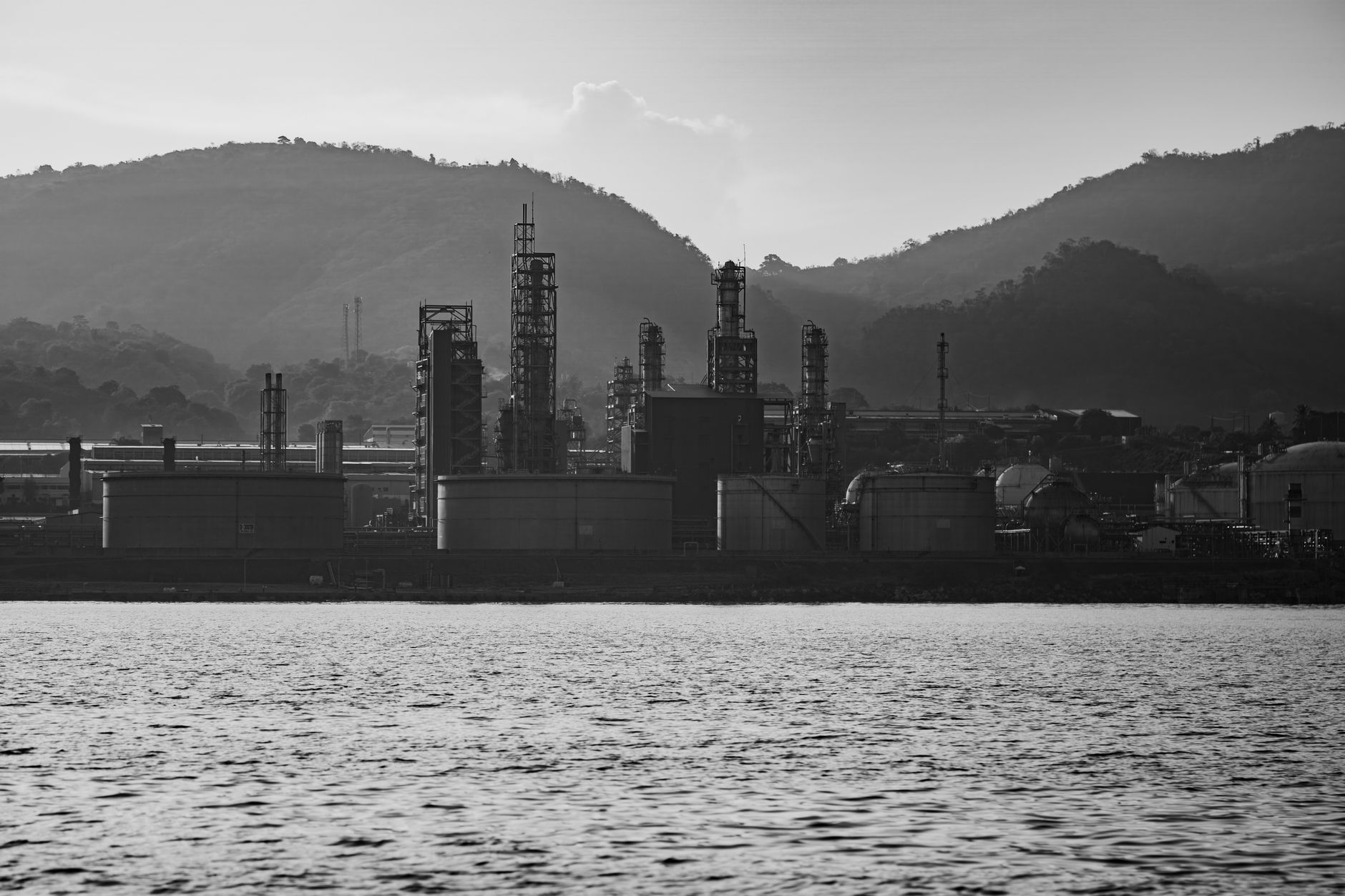
Crude Costs and the Inflation Transmission Channel
The relationship between oil prices and Indian inflation is well established and operates through multiple channels. Higher crude costs raise the price of transportation fuels, which feed directly into consumer price index components including food and manufactured goods. Petrol and diesel prices, if left unrevised by state-owned oil marketing companies, compress margins for downstream distributors, but any government-mandated price pass-through risks reigniting retail inflation that the Reserve Bank of India has worked to contain within its 2–6 percent target band. Headline CPI inflation in India has oscillated in recent months, and a sustained crude rally could push it toward the upper end of that corridor, complicating the RBI’s rate-setting calculus heading into its next monetary policy committee meeting.
The current oil price environment is particularly sensitive given the global backdrop. Supply discipline from OPEC-plus producers, combined with geopolitical uncertainty in key producing regions, has supported crude prices above levels that many emerging-market central banks had factored into their baseline forecasts. For India, every ten-dollar increase in the per-barrel price of crude is estimated to widen the current account deficit by approximately 0.4 percentage points of GDP, a figure that carries direct implications for the rupee’s medium-term trajectory. Persistent currency weakness, in turn, makes the import of oil — priced in dollars — even more expensive, creating a feedback loop that is difficult to break without either a reversal in crude prices or significant central bank intervention.
Currency Fragility and Broader Market Sentiment
The rupee’s vulnerability extends beyond oil. Earlier this year, the currency hovered near multi-week lows amid a confluence of weak global risk sentiment and outflows from domestic equity and bond markets, a dynamic that Business Standard previously noted when it reported on the near three-week lows driven by deteriorating external conditions. That episode underscored how quickly sentiment can shift when global cues turn adverse, leaving the rupee with limited buffer unless the RBI steps in aggressively. Foreign institutional investor flows, which had provided some support to the currency in the first half of the year, have become more erratic as global risk appetite fluctuates.

Equity markets in Mumbai also reflected the cautious mood, with the benchmark Sensex and Nifty 50 indices trading in negative territory as energy-sector gains were offset by declines in rate-sensitive financial and consumer discretionary stocks. Bond yields ticked higher in anticipation that elevated oil prices could delay any prospective easing of monetary policy, a prospect that has weighed on fixed-income valuations in recent sessions. Analysts at several domestic brokerage houses cautioned that if Brent crude sustains levels above current thresholds for an extended period, the RBI may need to reassess its inflation projections ahead of schedule, potentially pushing back the timeline for any rate reduction that markets had been pricing in for later in the fiscal year. For now, the rupee’s trajectory will hinge heavily on whether global oil markets find a ceiling — or extend their climb.