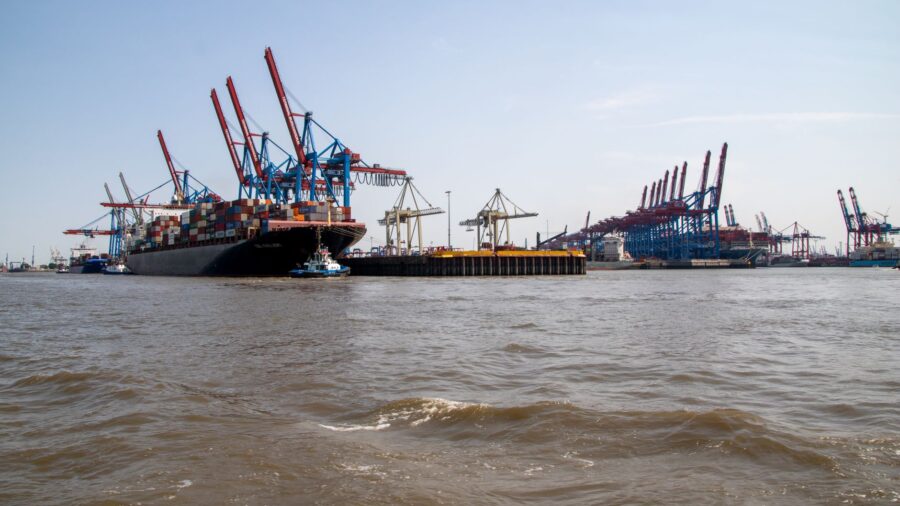
China’s failure to reignite domestic consumer spending is no longer a problem contained within its borders. As the world’s second-largest economy continues to export deflation through a widening trade surplus, trading partners from Southeast Asia to the eurozone are confronting the consequences of Beijing’s unresolved demand crisis — and the debate is fast becoming a central flashpoint at the G20. CNBC’s China Connection newsletter, published September 7, 2026, laid out the scale of the challenge in granular detail, arguing that China’s consumption deficit has crossed a threshold where it can no longer be treated as a domestic policy failure alone.
The timing matters. With global growth expectations already subdued and central banks in the United States, Europe, and Japan navigating the final stages of restrictive monetary policy, the last variable the world economy needed was a deflationary export surge from the world’s largest goods producer. For context, China’s trade surplus is tracking toward a record annual figure that analysts estimate could approach or surpass $1 trillion in 2026 — a number that is structurally incompatible with balanced global trade. Broader currency dynamics are also shifting; as our earlier coverage of the Japanese yen outlook noted, Asian currency movements are increasingly being read through the lens of Chinese capital flows and export competitiveness.
Why Chinese Consumers Stopped Spending — and Why Recovery Remains Elusive
The roots of China’s consumption weakness run deeper than the post-pandemic hangover that policymakers initially diagnosed. Household balance sheets remain impaired by the prolonged property sector correction, which has wiped out a significant portion of the wealth that Chinese families held in real estate — an asset class that once accounted for roughly 70 percent of household savings. Youth unemployment, though official figures have been revised and their publication periodically suspended, is widely believed by independent economists to remain above 20 percent in urban areas, suppressing the spending power of the demographic cohort most likely to drive services consumption.
Consumer price inflation in China has hovered close to zero or in negative territory for extended stretches over the past two years, a symptom of insufficient domestic demand rather than supply discipline. When prices fall persistently, households delay purchases in anticipation of further declines — a deflationary trap that monetary easing alone has proven unable to break. Beijing has introduced a series of stimulus measures, including subsidies on consumer electronics and home appliances under trade-in schemes, but economists estimate these programs have generated only a modest and temporary uplift, insufficient to move the needle on a structural savings rate that remains among the highest in the world at approximately 33 percent of disposable income.

The G20 Fault Lines and the Diplomatic Cost of Surplus Economics
The geopolitical dimension of China’s trade imbalance is sharpening. The CNBC China Connection report highlights growing frustration among G20 members who argue that China’s export-led adjustment — effectively offshoring its demand problem onto the rest of the world — is eroding the cooperative framework that multilateral trade depends on. The European Union has already moved to impose countervailing duties on Chinese electric vehicles, citing state subsidy distortions, and similar investigative procedures are underway in sectors from solar panels to steel. The United States, for its part, has maintained and in some categories extended the tariff architecture put in place in previous administrations.
Emerging markets are caught in a particularly uncomfortable position. Countries in Southeast Asia and Latin America that had positioned themselves as beneficiaries of supply chain diversification away from China are now finding their own manufacturers undercut by Chinese goods that have nowhere else to go. The price competition is intense. For smaller economies with limited fiscal firepower, the ability to respond with targeted industrial policy is constrained — a dynamic that stands in sharp contrast to the kind of large-economy maneuvering that, for instance, has defined India’s economic positioning as it seeks to capture manufacturing investment without being flooded by Chinese imports.
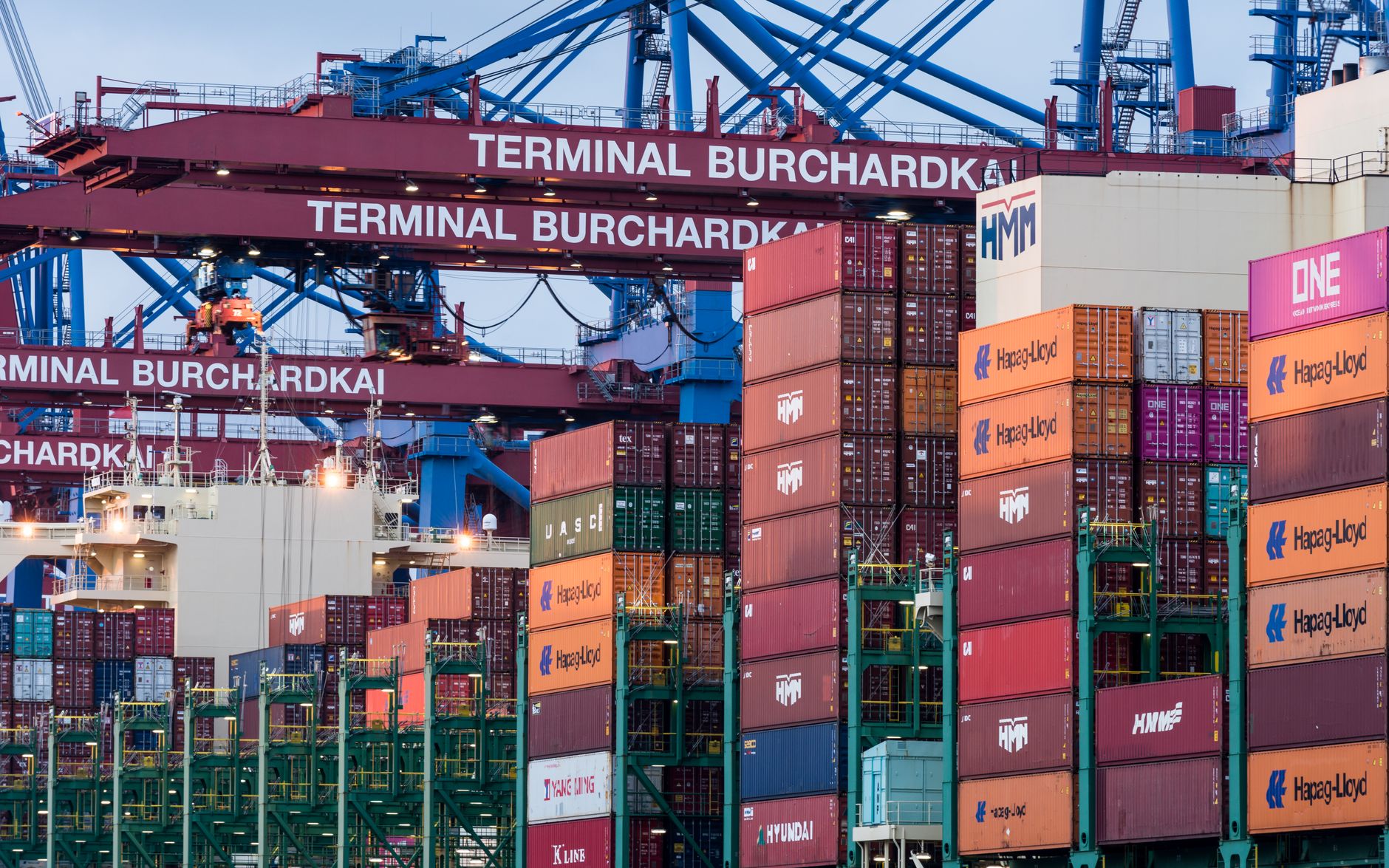
What Structural Rebalancing Would Actually Require
Economists broadly agree on what a genuine rebalancing of the Chinese economy would entail: a meaningful shift of national income from the corporate and state sector toward households, achieved through higher wages, expanded social safety nets — particularly healthcare and pension coverage — and a reduction in the financial repression that keeps deposit rates below market-clearing levels. Each of these levers is politically and institutionally difficult for Beijing to pull at the speed markets are demanding.
The challenge facing Chinese leadership is not entirely unlike the strategic dilemma that confronts corporate turnaround situations — how much time and political capital can be spent on structural reform before short-term pressures force a retreat to familiar stimulus. The question of how long an institution can sustain a reorientation strategy before stakeholders lose confidence is not unique to sovereign economies; Fortune’s examination of CEO turnaround timelines at struggling companies offers a parallel lens through which to view the patience markets are extending to Beijing’s reformers. For now, global policymakers heading into the G20 must grapple with a China that is neither recovering fast enough to absorb its own output nor contracting in a way that would force a sharper adjustment. That ambiguity, more than any single data point, is what makes China’s weak consumer the world’s most consequential economic variable heading into the final quarter of 2026.