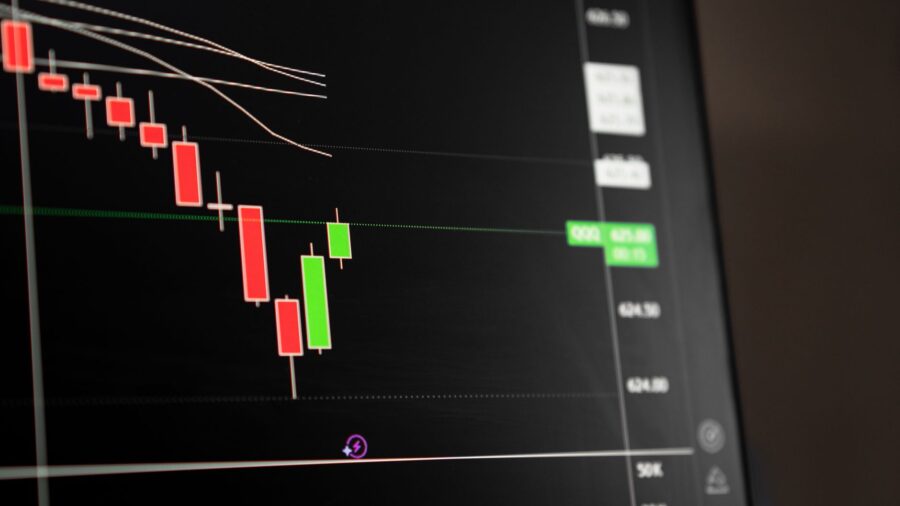
Bond investors have spent much of 2025 bracing for bad news, but the upcoming U.S. nonfarm payrolls report may deliver something they have not seen in months: a reason to rally. According to a MarketWatch analysis, a cooling labor market — rather than signaling broader economic distress — could provide the precise conditions needed to push Treasury yields lower and restore value to fixed-income portfolios that have been battered by sustained rate pressure. The argument hinges on a subtle but important distinction: weak hiring data is no longer automatically read as recessionary when inflation is already moderating and the Federal Reserve has signaled it is nearing the end of its tightening cycle. Questions about Federal Reserve policy have dominated fixed-income markets for the better part of two years, and any data that reduces rate uncertainty tends to benefit Treasuries directly.
The logic is straightforward. If payrolls come in below the consensus estimate — analysts have broadly penciled in gains of around 160,000 to 175,000 jobs — markets would likely interpret the miss as evidence that prior rate hikes are finally doing their intended work. That, in turn, would reduce the probability of an additional Federal Reserve increase and pull yields on benchmark 10-year Treasuries down from the elevated levels near 4.4 percent that have weighed on bond prices throughout the year. For duration-sensitive investors who have absorbed significant mark-to-market losses, even a modest yield decline of 10 to 15 basis points can translate into meaningful portfolio gains.
Labor Market Cracks Are Already Visible
There is mounting evidence that the American jobs market is losing altitude. Weekly jobless claims have edged higher over recent months, and job openings tracked by the Bureau of Labor Statistics have declined steadily from their post-pandemic peak of more than 12 million to figures closer to 8 million. Wage growth, while still positive, has decelerated from its 2022 highs above 5 percent annually to a range closer to 3.5 to 4 percent — a trajectory that Fed officials have pointed to as consistent with a gradual return to their 2 percent inflation target.
The hiring environment has also been complicated by structural shifts in how employers recruit. A USA Today report examining whether artificial intelligence is disrupting the hiring process found widespread evidence that automated screening tools are reducing callback rates and distorting traditional labor market signals, potentially making official payroll figures a less reliable real-time gauge of underlying employment demand. If headline job creation appears softer partly due to these structural filters, bond traders may take comfort that the weakness reflects technological transition rather than genuine demand destruction — a distinction that reinforces the bull case for fixed income without stoking recessionary fears.
Why This Reading Could Shift Rate Expectations
The bond market’s reaction to employment data has always been asymmetric: a hot report tends to punish Treasuries more sharply than a cool report rewards them, because upside inflation surprises carry a heavier Fed-policy penalty. But analysts argue that asymmetry is beginning to normalize. With the fed funds rate already in restrictive territory above 5 percent and real yields at their highest level in more than a decade, the burden of proof for another hike has risen considerably. A payrolls number that confirms labor demand is easing without collapsing would thread the needle — supporting the narrative of a soft landing while giving the Fed cover to hold rates steady through the remainder of the year.

Fixed-income strategists note that positioning also favors a bond-friendly outcome. Short interest in Treasury futures has been elevated for several months, meaning a softer data print could trigger a short-covering rally that amplifies the price move beyond what the fundamental shift in rate expectations alone would justify. Investors watching the household wealth gap widen may also find bonds increasingly attractive as a defensive allocation, particularly if equity markets react poorly to any signs that consumer spending is softening alongside the labor market. In a week when markets are calibrated for volatility, the bond market may be the unlikely beneficiary of data that, on the surface, looks like bad economic news.