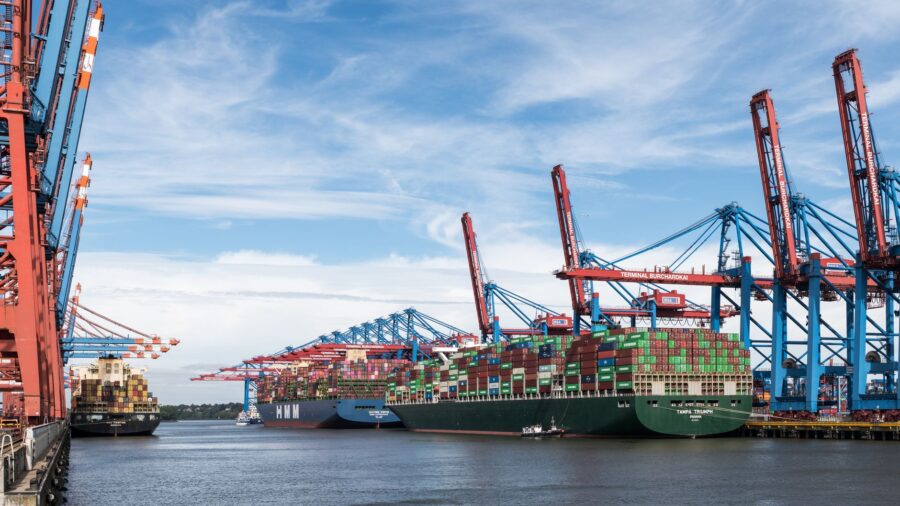
Europe is confronting what scientists and policymakers increasingly describe as a structural environmental emergency rather than a cyclical weather event. The summer of 2026 has produced drought conditions of such severity across the continent that desertification — a process long associated with sub-Saharan Africa — is now being openly discussed as a credible long-term threat to southern and central European landmasses. The economic consequences, from agricultural output to water-intensive industrial production, are beginning to ripple through supply chains and government budget forecasts in ways that structural economic shocks typically take years to fully register.
Rivers that have sustained European commerce and farming for centuries are recording historically low water levels. The Rhine, the Po, and stretches of the Danube have all seen flows reduced to a fraction of their seasonal averages, disrupting inland shipping, cooling water supplies for power stations, and decimating freshwater fish populations. According to Fortune’s reporting on the crisis, European drought conditions have pushed multiple river systems to levels not recorded in modern hydrological data, with some gauging stations in Spain and Italy logging flows down more than 60 percent from long-term August averages.
Agricultural Output Under Sustained Pressure
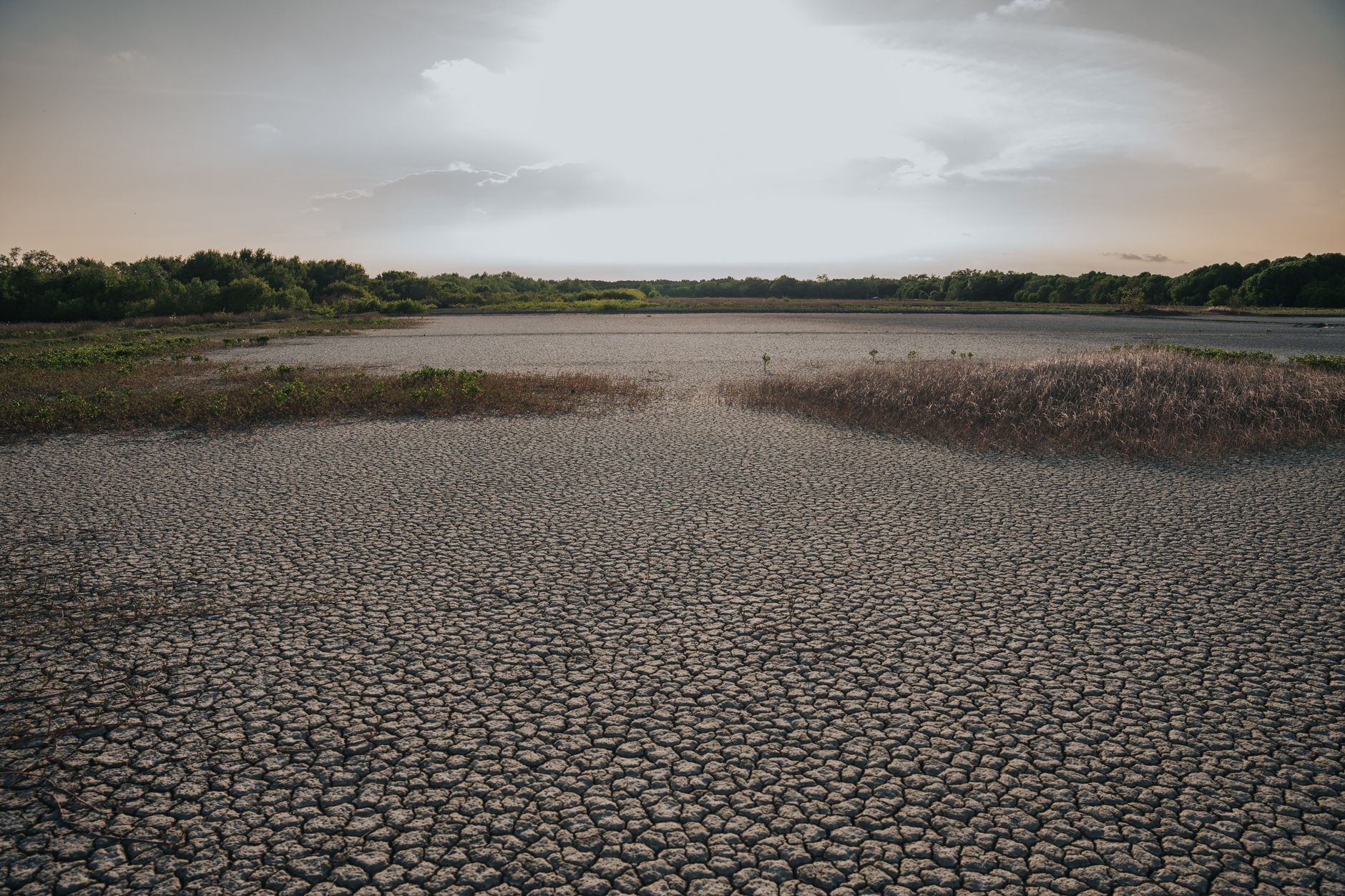
The toll on farming is proving severe and, critically, cumulative. Soil moisture deficits are compounding year on year across the Iberian Peninsula, southern France, Italy, and the Balkans — regions that collectively account for a significant share of Europe’s fruit, vegetable, olive oil, and cereal production. Crop insurance claims have surged across these zones, and several national agricultural ministries have activated emergency support mechanisms that were last used during the 2003 and 2018 droughts. Unlike those episodes, however, meteorologists are cautioning that 2026 lacks a clear seasonal break that would allow soil recovery before the winter planting cycle begins.
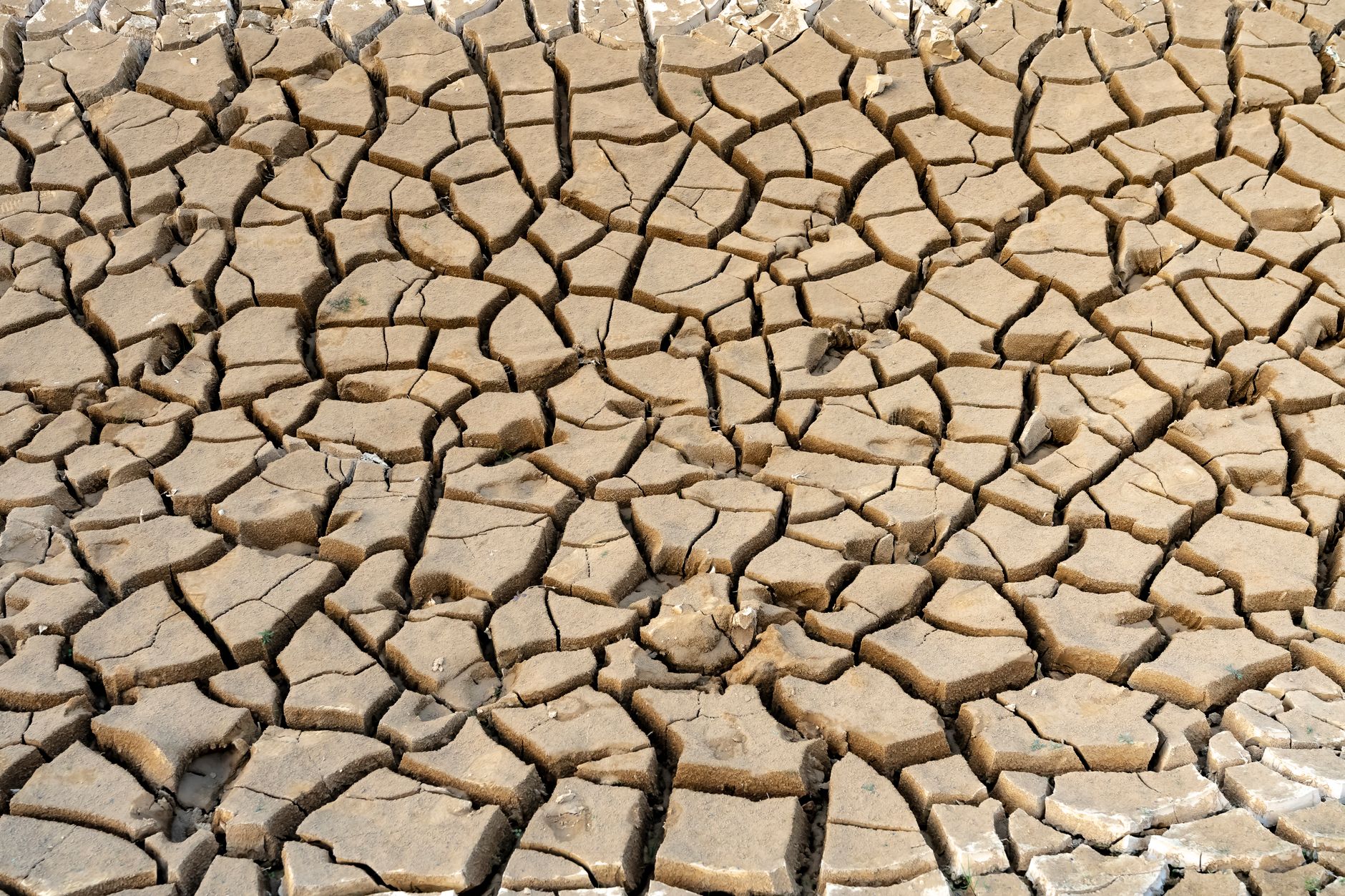
Desertification accelerates when topsoil loses its structural integrity through repeated cycles of heat stress and moisture depletion. Once vegetation cover collapses beyond certain thresholds, wind erosion strips away remaining organic material at a rate that can render land agriculturally unusable within a generation. The European Commission’s Joint Research Centre has previously estimated that approximately 8 percent of EU territory is already affected by desertification processes, a figure that independent researchers warn may need to be revised sharply upward following this summer’s data. Spain alone has seen the area classified as at high desertification risk expand considerably over the past decade, with Castile, Murcia, and Andalusia among the most exposed regions.
Economic and Policy Implications for Investors and Governments
The financial exposures are broadening in scope. Agricultural commodity prices tied to European production — including durum wheat, olive oil, and wine grapes — have experienced renewed upward pressure this summer, adding to inflationary dynamics that central banks across the eurozone are still managing. Water-intensive industries including textiles, semiconductor fabrication, and food processing are also confronting increased operating costs as municipalities impose usage restrictions and industrial water tariffs rise. Insurers and reinsurers with large European agricultural books are reassessing their actuarial models, with several major firms signalling that they may require higher premiums or reduce coverage in the highest-risk zones.
For governments, the fiscal arithmetic is becoming uncomfortable. Emergency drought relief, infrastructure investment to expand desalination and water recycling capacity, and support for farmers transitioning away from water-intensive crops all carry significant price tags at a moment when European public finances remain under pressure. The European Union’s Common Agricultural Policy is being re-examined in this context, with calls growing louder for a more explicit climate resilience mandate to be built into the next multi-year framework. Some economists argue that the continent is approaching a threshold beyond which reactive spending will prove far less cost-effective than structural adaptation investment undertaken now.
The political dimension is equally consequential. Rural communities facing repeated crop failures and land degradation are sources of growing electoral discontent across France, Spain, Italy, and Portugal. Governments that are seen as slow to respond risk accelerating a populist backlash in regions where agricultural identity is deeply embedded. As Europe navigates a broader set of geopolitical and fiscal pressures — including energy transition costs and defence spending commitments — the renewable energy transition offers one partial counterweight, with solar expansion in drought-prone southern regions generating revenue that partially offsets agricultural losses. Whether that offset proves sufficient to stabilise rural economies over the coming decade remains, for now, an open and deeply uncertain question.