
The United States has moved to significantly expand its sanctions regime against Iran, targeting the country’s oil export infrastructure and foreign intermediaries that have helped Tehran skirt existing financial restrictions. The measures represent one of the most sweeping extensions of economic pressure on Iran in recent years, and officials in Tehran wasted little time in vowing a forceful response. As Business Standard reported, Iran’s government described the new restrictions as an attack on its economic lifeline and pledged countermeasures without specifying their form.
The escalation arrives at a particularly sensitive moment for Iran’s economy, which has operated under sustained pressure from Western sanctions for more than a decade. Prior coverage by The Fiscalist on Bessent’s sanctions package outlined how the Treasury Department had been preparing an additional wave of designations targeting Iranian oil brokers, shipping entities, and financial intermediaries operating across Asia and the Gulf region. The latest round deepens that approach, extending the reach of secondary sanctions to foreign companies that continue to facilitate Iranian crude sales.
Oil Revenue in the Crosshairs
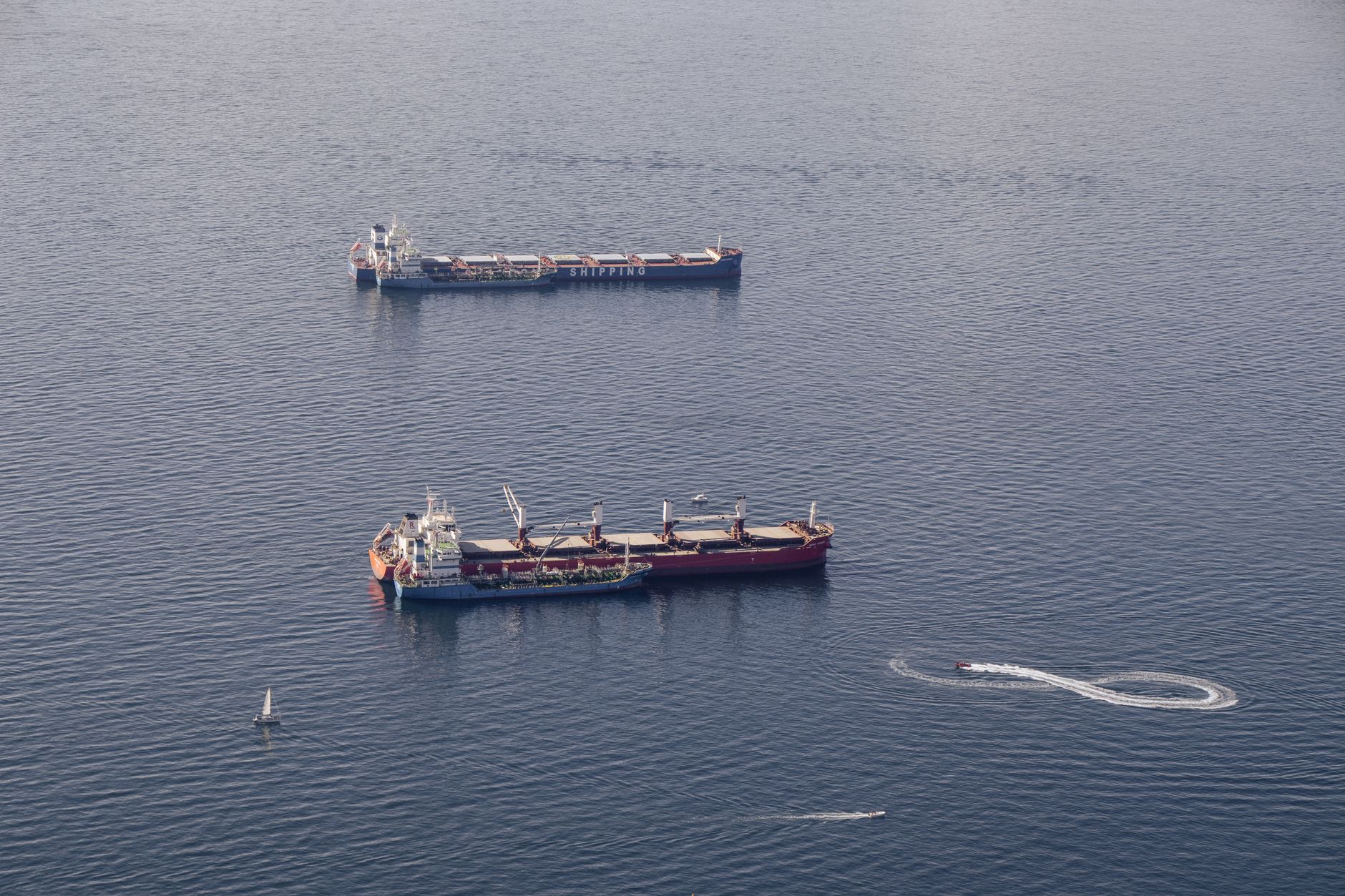
Iran’s oil exports remain the backbone of its public finances, with crude sales accounting for a substantial share of government revenue and foreign currency earnings. Analysts estimate that Iran has managed to sustain oil exports in the range of 1.5 to 1.8 million barrels per day in recent months, largely by routing shipments through shadow fleets and obscuring ownership chains. The new US measures appear designed specifically to disrupt those workarounds by sanctioning the network of traders, port operators, and insurers that enable such transactions to proceed.
The impact on Iran’s fiscal position could be severe. The Iranian rial has already lost a significant portion of its value against the US dollar in recent years, and inflation has remained stubbornly elevated, with some estimates placing the annual rate above 35 percent. A meaningful reduction in oil export volumes would compress foreign exchange inflows at a time when Tehran faces mounting pressure to fund domestic subsidies and manage a widening budget deficit. The government has signalled that it will not absorb these losses passively, though the practical options available to it remain constrained by its isolation from the global financial system.
Secondary Sanctions and the Pressure on Third-Country Trade
Perhaps the most consequential element of the expanded measures is their extraterritorial reach. The US has made clear that companies and financial institutions in third countries — including those in Southeast Asia, the Middle East, and parts of Europe — that continue to do business with sanctioned Iranian entities risk losing access to the US financial system. This mechanism, long a feature of American sanctions architecture, has historically proven effective in compelling compliance even among governments that formally oppose Washington’s policy toward Tehran.
China remains the most significant buyer of Iranian crude, absorbing the majority of exports that do reach the market. Beijing has consistently rejected the legal basis of US secondary sanctions, and Chinese state-linked entities have shown greater tolerance for operating outside American financial networks. Nevertheless, smaller and mid-tier trading firms in Asia that maintain dollar-clearing relationships are far more exposed, and enforcement actions against even a handful of such entities tend to produce a chilling effect across the broader network. The Fiscalist’s earlier reporting on secondary sanctions pressure detailed how Washington has increasingly used this instrument to shrink Tehran’s circle of willing commercial partners.
Iranian officials have framed the latest measures as evidence of American desperation rather than strength, a rhetorical posture Tehran has maintained consistently through successive rounds of pressure. Whether that stance translates into tangible countermeasures — such as further restrictions on navigation in the Strait of Hormuz or accelerated nuclear enrichment activity — will be closely watched by energy markets and regional governments alike. With nuclear negotiations effectively stalled and diplomatic channels largely closed, the risk that economic confrontation bleeds into broader instability remains a live concern for commodity traders and sovereign risk analysts monitoring the region.