
The Trump administration’s move to impose additional tariffs on imported beef has drawn swift attention from agricultural trade circles, but analysts and market data suggest the measure is more political signal than structural economic intervention. With U.S. beef imports running at record levels through the first half of 2026, the tariff announcement arrives at a moment when domestic supply constraints are already reshaping the competitive landscape — raising pointed questions about whether new trade barriers can meaningfully alter market dynamics already in motion. Broader concerns about import-driven inflation have made the administration’s tariff posture a recurring flashpoint this year.
According to Forbes reporting by agricultural trade analyst Ken Roberts, the United States has been absorbing historically elevated volumes of foreign beef precisely because domestic cattle inventories remain near multi-decade lows. The U.S. cattle herd, depleted by years of drought and herd liquidation across major ranching states, has left packers and retailers with little alternative but to source product from Australia, Brazil, Canada, and New Zealand to meet consumer demand.
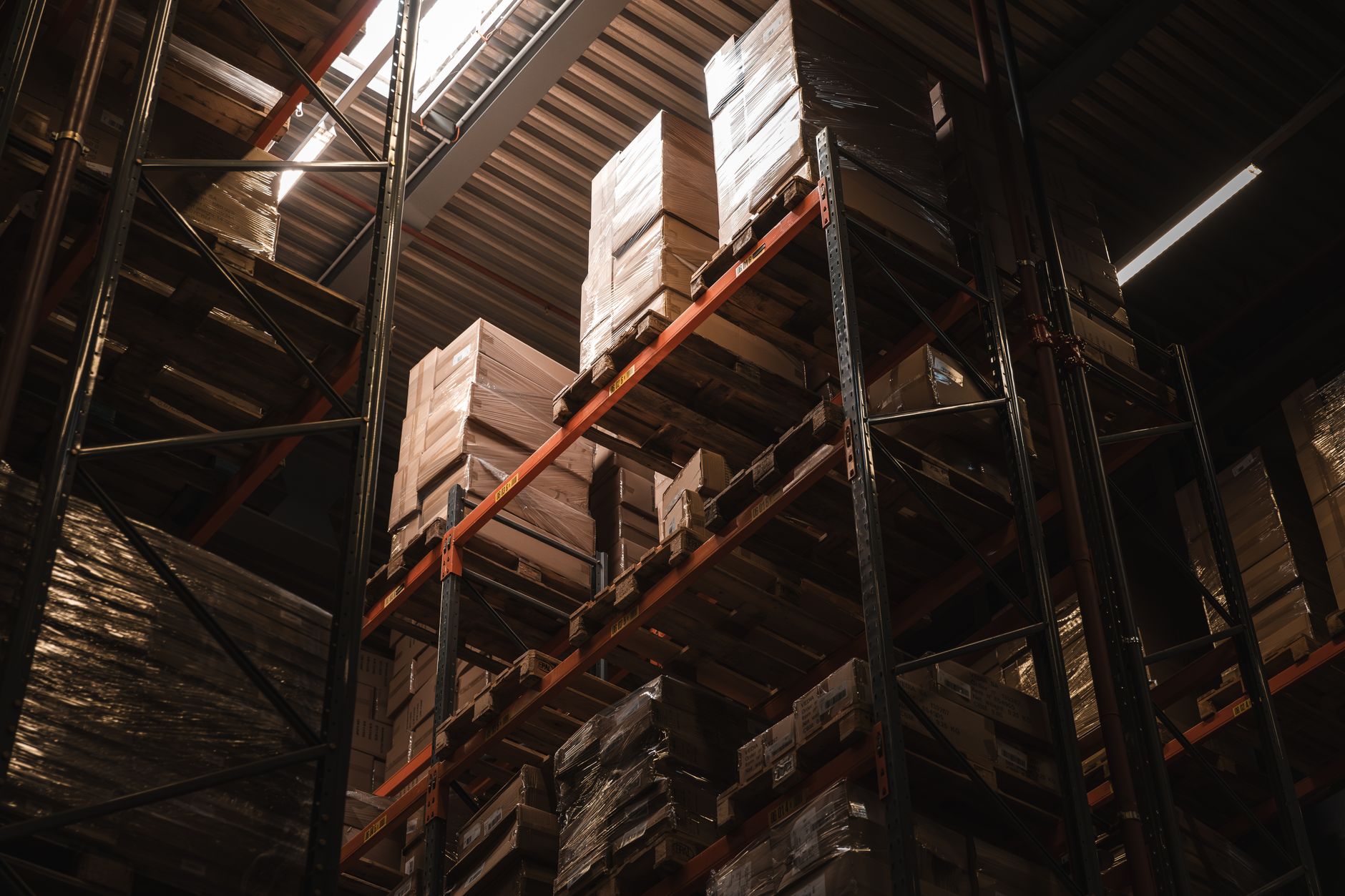
Record Imports Undermine the Tariff’s Intended Leverage
U.S. beef imports in 2026 have surged to levels not previously recorded in modern trade data, with volumes from key suppliers rising sharply year-over-year. Australia and Brazil, two of the largest foreign suppliers to the American market, have collectively expanded their share as domestic production has struggled to recover. Industry estimates suggest imported product now accounts for a meaningfully larger share of total retail and foodservice beef supply than it did as recently as 2023, when the herd contraction began accelerating.
The timing creates an immediate credibility problem for the tariff measure. When import volumes are elevated not because of predatory pricing or trade dumping but because domestic supply is structurally insufficient, tariffs function primarily as a consumer tax rather than a corrective trade instrument. Retail beef prices, which have already climbed sharply over the past two years, could face additional upward pressure if foreign supply is effectively penalized at the border while domestic alternatives remain limited. That dynamic places the administration in the awkward position of restricting the very supply pipeline that has been keeping grocery shelves stocked.
Political Calculus Versus Market Mechanics
The announcement is widely read by trade observers as an attempt to appeal to domestic cattle producers and ranching communities — constituencies with significant political weight in key agricultural states. Ranchers have long argued that foreign competition, particularly from countries with lower production costs and different regulatory environments, suppresses the prices they receive for domestic cattle. From that perspective, any tariff action, even one with limited immediate economic impact, reinforces the administration’s broader posture of protecting American agricultural producers from global competition.
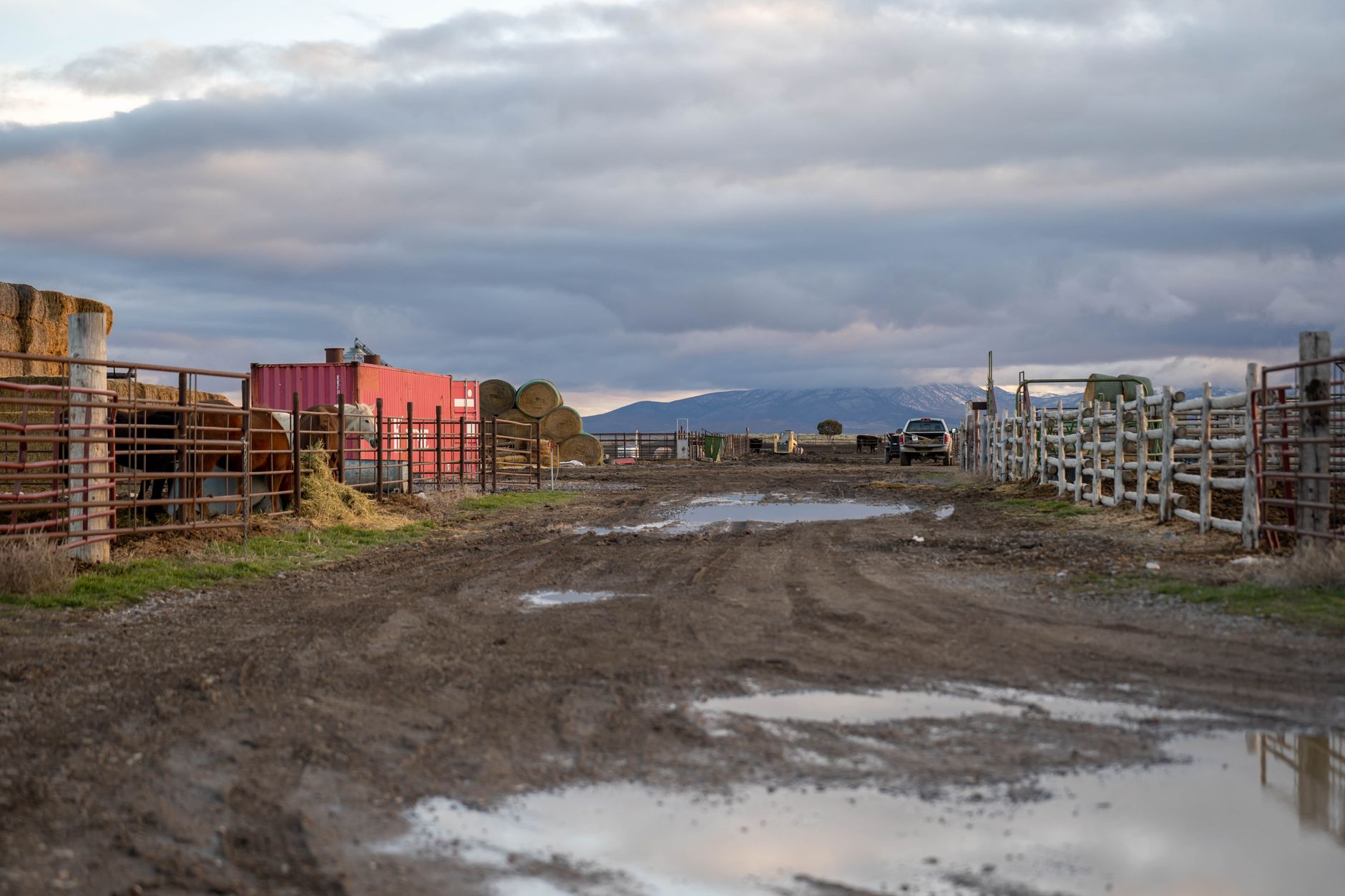
However, the market mechanics tell a more complicated story. The U.S. cattle industry’s current challenge is not primarily one of import competition suppressing prices — if anything, tight domestic supplies have supported cattle prices at elevated levels for producers. The deeper issue is a biological production lag: rebuilding a depleted cattle herd takes years, and no tariff schedule can accelerate the reproductive cycle of livestock. Critics of the measure, including several agricultural economists cited in trade press coverage, argue that restricting imports now could worsen near-term food cost pressures without addressing the underlying supply deficit.
The episode also illustrates a recurring tension in the administration’s broader trade strategy. As Canada and other trading partners have already signaled readiness to respond to U.S. tariff escalations — a dynamic explored in detail around Ottawa’s retaliatory tariffs earlier this year — any move that triggers counter-measures in agricultural goods could ultimately harm U.S. export markets for beef, pork, and grain at a time when producers are already navigating significant cost pressures. The net effect, in a worst-case scenario, would be reduced access abroad and higher input costs at home — a double bind that the administration’s trade architects will need to navigate carefully in the months ahead.