
American consumers and businesses that had grown accustomed to cooling price pressures are now facing a fresh wave of inflation arriving through an increasingly familiar channel: the cost of imported goods. As the United States maintains an elevated tariff regime on a broad range of foreign products, the pass-through effect on domestic consumer prices is becoming harder to ignore, according to a recent Marketplace report titled “Let’s Import Some Inflation.” The episode draws attention to the structural mechanism by which trade policy decisions translate into grocery store receipts, hardware bills, and retail sticker prices — with economists warning the effect may be more durable than initially projected.
The dynamic is not entirely new, but its persistence is raising alarms. Tariff-related price increases that were once dismissed as transitory have begun embedding themselves into underlying cost structures across supply chains. For businesses dependent on foreign inputs — from electronics components to textile raw materials — the cumulative tariff burden has made domestic price hikes not merely possible but necessary. The concern, as fiscal inflation pressures mount from multiple directions simultaneously, is that monetary policy tools may prove insufficient to counteract inflation that originates in deliberate legislative choices rather than demand overheating.
Supply Chain Arithmetic and the Tariff Pass-Through
Economists have long debated the degree to which tariffs are absorbed by exporters, importers, or end consumers, but the accumulated evidence from the tariff cycles of the past several years suggests that American consumers bear a disproportionate share of the burden. When a 25 percent tariff is levied on a category of goods, importers may absorb a portion through margin compression, but research tracking consumer price indices in affected product categories has consistently shown meaningful price elevation — often in the range of 10 to 18 percent above pre-tariff baselines — within 12 to 18 months of imposition.
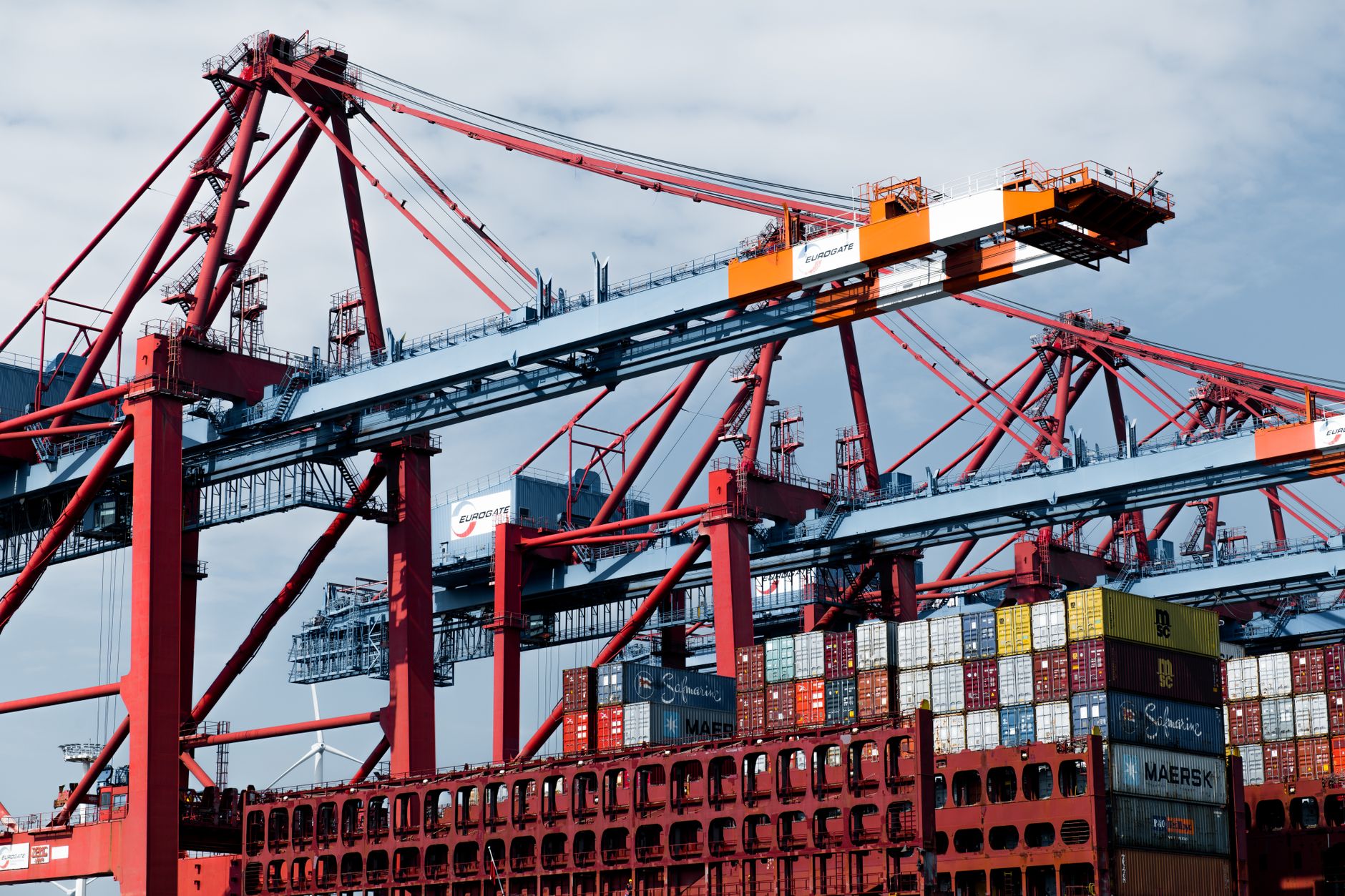
The Marketplace analysis highlights that the current environment is particularly fraught because tariffs are now layered across multiple trading partners and product categories simultaneously, reducing the ability of importers to reroute sourcing to lower-cost alternatives. When tariffs were confined to one bilateral relationship, companies could pivot. With broad-based measures in place, that flexibility has narrowed considerably, and cost absorption has given way to cost transmission. Wholesale price data for several import-heavy consumer categories has reflected increases of 5 to 9 percent year-over-year as of mid-2026, a trend that is beginning to filter into headline CPI readings.
Geopolitical Supply Shocks Compounding the Pressure
The tariff-driven inflation dynamic does not exist in isolation. Energy markets and commodity flows have also been disrupted by ongoing geopolitical tensions, particularly surrounding Iran. Despite sustained U.S. sanctions pressure, Iran’s economic resilience has allowed it to continue influencing global oil supply chains in ways that complicate Western price stability efforts. Iranian crude continues to reach international markets through informal networks, but the unpredictability of those flows injects volatility into energy prices that feeds directly into transportation and manufacturing costs worldwide.
More recently, reporting from Al Jazeera noted that Iran’s economic preparations ahead of anticipated additional U.S. sanctions include diversifying trade relationships and shoring up domestic production capacity — moves that could further insulate Tehran from pressure while simultaneously creating tighter global supply conditions for key commodities. For American importers already contending with tariff costs, any tightening in energy or raw material markets adds another inflationary layer that policy levers struggle to address cleanly. The sanctions network targeting Iran’s financial infrastructure has not yet succeeded in fully severing the country’s capacity to influence commodity markets.

Federal Reserve’s Limited Room to Maneuver
For the Federal Reserve, inflation imported through trade channels presents a distinctly uncomfortable policy problem. Rate increases — the central bank’s primary tool for suppressing demand-driven inflation — are poorly matched to price pressures that originate in cost-push dynamics rather than excess consumer spending. Raising borrowing costs can dampen demand, but it cannot make a tariffed good cheaper at the border. Fed officials have historically acknowledged this limitation, noting that supply-side inflation requires supply-side solutions, which fall outside the central bank’s mandate.
The political economy of the situation makes resolution especially difficult. Rolling back tariffs would require executive or legislative action in an environment where trade protection has become a durable feature of both major parties’ platforms. Until that calculus changes, the Federal Reserve may find itself caught between an inflation rate that refuses to reach its 2 percent target and an economy where further rate pressure risks triggering a demand contraction that leaves businesses and workers worse off. Marketplace’s framing of the issue — that the United States may in effect be choosing to import inflation as a byproduct of its trade posture — captures a tension that is likely to define economic policy debates well into 2027.