
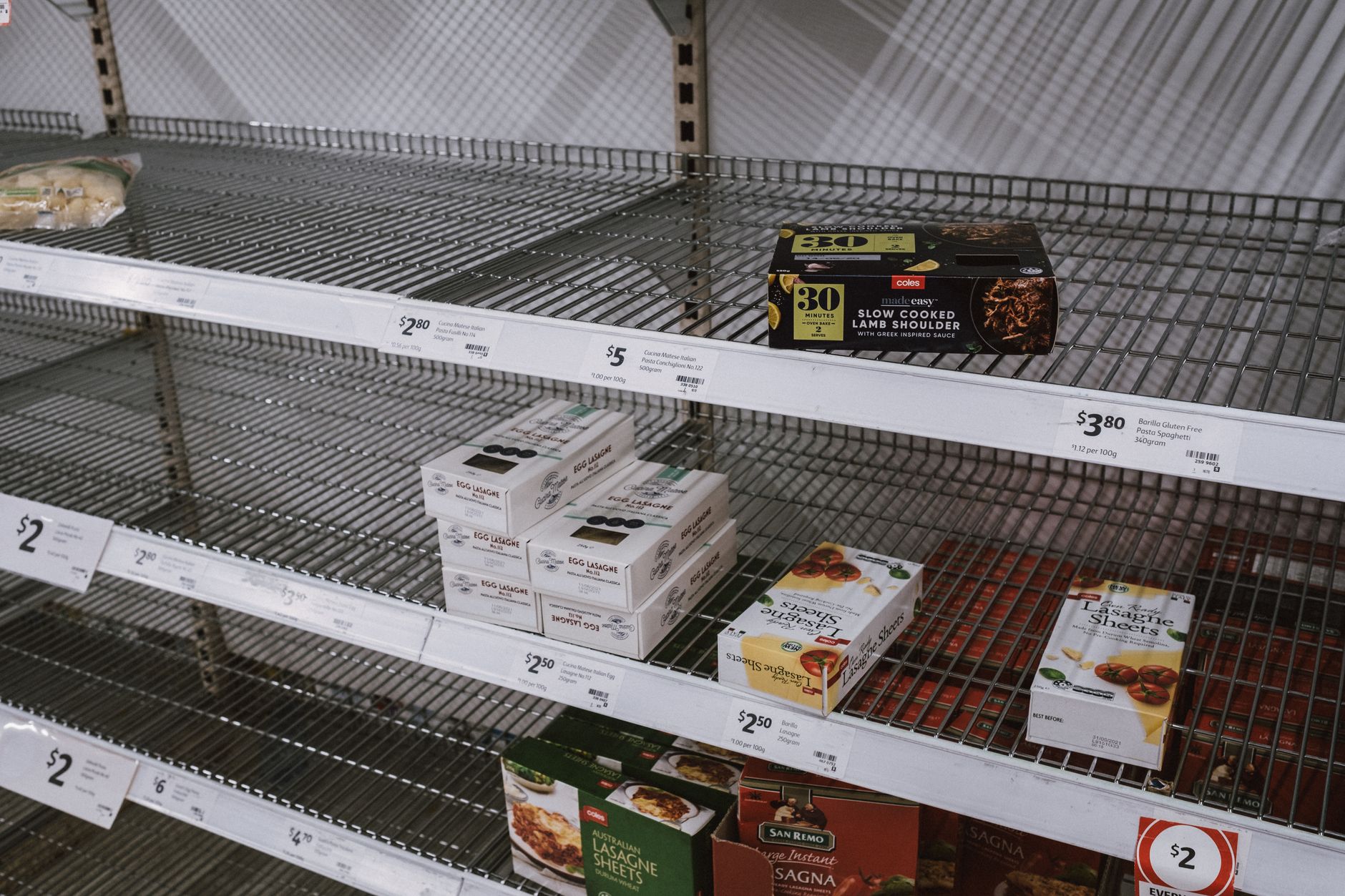
American retailers are confronting a deteriorating operating environment as persistently elevated costs collide with a consumer base that is increasingly reluctant to spend. The pressure, which has been building across much of 2026, is now becoming visible in earnings calls, inventory decisions, and foot traffic data in ways that suggest the sector faces more than a temporary soft patch. As Marketplace reported, retailers are feeling the squeeze from multiple directions simultaneously, with no clear relief in sight. The dynamic echoes broader concerns about trade policy shifts that have complicated input cost forecasting for goods-dependent businesses throughout the year.
Retail analysts have pointed to a widening gap between headline consumer confidence readings and actual point-of-sale behavior. Shoppers are not abandoning stores entirely, but they are trading down aggressively — substituting branded goods for private-label alternatives, reducing basket sizes, and concentrating purchases around promotional periods. Discretionary categories including apparel, home furnishings, and consumer electronics have been hit hardest, with some retailers reporting same-store sales declines of between 3 and 6 percent in the second quarter compared with the same period a year earlier.
Cost Structures Leave Little Room to Absorb Shocks
The revenue challenge is being compounded by a cost structure that has proven stubborn. Wages, which retailers pushed higher during the labor shortages of the early 2020s, remain elevated and difficult to roll back without triggering staff attrition in an already competitive hiring environment. Logistics and freight costs, while well below their pandemic-era peaks, have not returned to pre-2020 norms, keeping distribution expenses above the levels retailers had modeled into their medium-term plans.
Tariff exposure has added another layer of complexity. Retailers with significant import dependency — particularly those sourcing from Southeast Asia and China — have faced margin erosion that discount pricing strategies can only partially offset. Attempts to pass costs on to consumers have met resistance at the register, forcing merchants to absorb a greater share of the burden internally. The result, across much of the sector, is operating margin compression that analysts estimate has ranged from 80 to 150 basis points year-over-year for mid-tier retailers. For smaller independent operators, the numbers are worse still.
A Structural Shift in Where Consumers Spend
Beyond the immediate cyclical headwinds, there are signals that something more structural may be reshaping consumer spending patterns. Americans appear to be reprioritizing experiential and essential outlays over discretionary retail, a shift that has been quietly accelerating as real disposable incomes have stagnated. According to a Fortune analysis, even traditionally affordable social venues such as bars, bowling alleys, and movie theaters have become too expensive for many households, suggesting the pullback extends well beyond retail into the broader consumption economy.
The labor market is providing mixed signals about the durability of consumer stress. While headline unemployment remains relatively contained, wage growth has moderated and entry-level job availability has thinned notably. A separate Fortune report found that teenagers are submitting upwards of 50 applications and still being ghosted even for volunteer positions, a data point that underscores how the lower end of the labor market — historically a pipeline for discretionary spending among younger demographics — is under considerable strain.
Retailers are responding with a combination of inventory discipline, accelerated digital investment, and renewed focus on loyalty programs designed to retain their most valuable customers. Some larger chains are also exploring automation as a lever to contain labor costs over the medium term. But these are longer-dated solutions that do little to ease the immediate cash flow pressures bearing down on an industry that entered 2026 hoping for a consumer recovery that, so far, has not fully materialized. For now, the sector is managing the squeeze quarter by quarter, with limited visibility into when conditions will meaningfully improve.