
Global markets navigated a complex set of crosscurrents on Tuesday as enthusiasm for automation and artificial intelligence-driven robotics lifted equities in several sectors, while a modest but meaningful climb in Treasury yields reminded investors that the interest rate picture remains far from settled. A sudden shift in trade policy added another layer of uncertainty, forcing portfolio managers to recalibrate positions that had been built on different assumptions just days earlier. CNBC’s Daily Open, reported by CNBC Markets, framed Tuesday’s session around three dominant themes: the ascent of robotics equities, a reversal on tariff policy, and the anxiety building in the bond market.
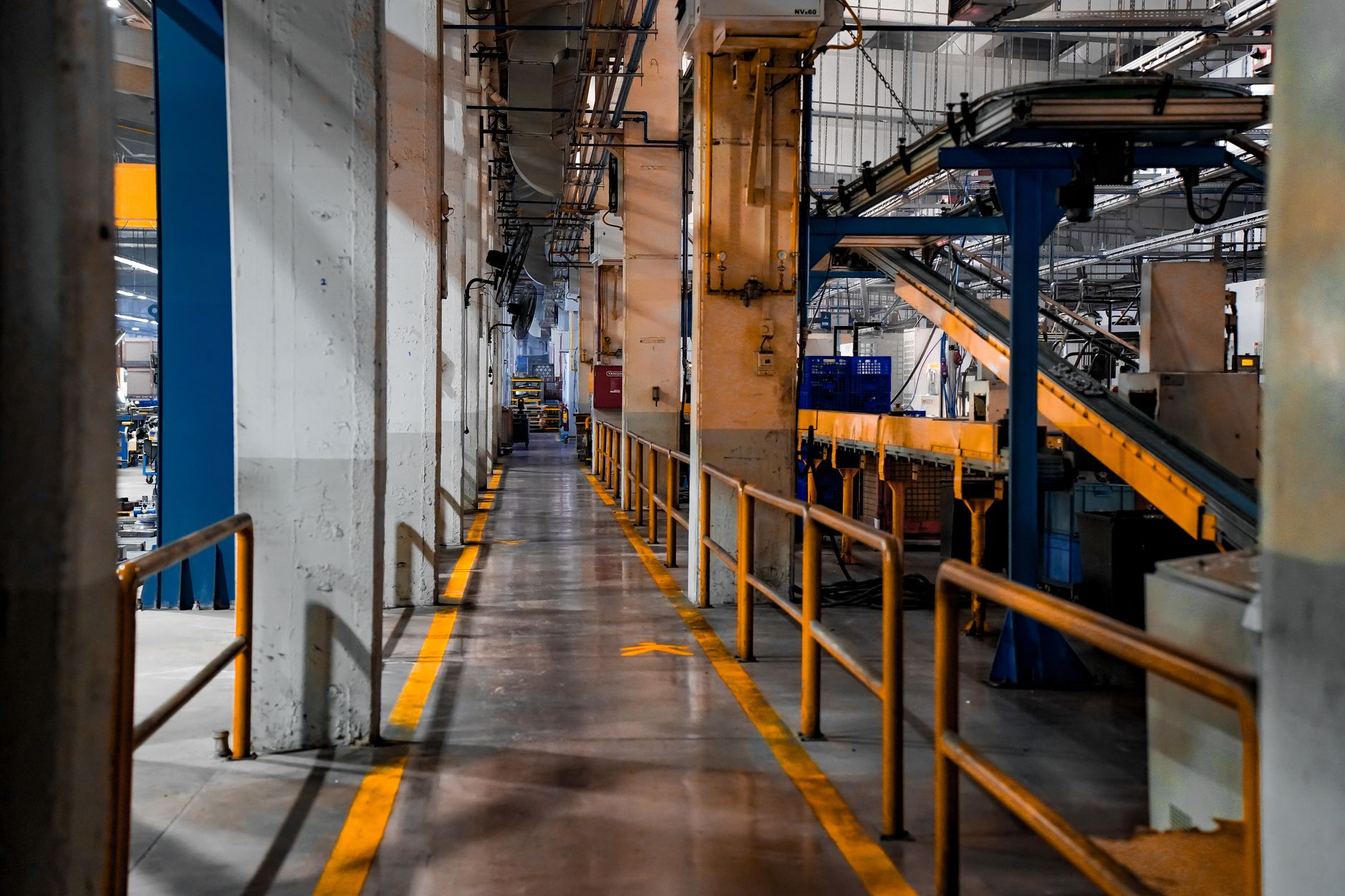
The robotics and industrial automation space emerged as the session’s clearest winner, with several major names posting gains in the range of 3 to 6 percent as investors weighed fresh data on manufacturing adoption and enterprise capital expenditure plans. The move reflected a broader conviction that spending on automation is accelerating regardless of the macroeconomic backdrop — a theme that has drawn sustained institutional attention throughout 2026. For those tracking the broader technology investment cycle, the robotics rally dovetailed with the kind of commercial momentum documented around Anthropic’s revenue trajectory, underscoring how quickly AI-adjacent industries are scaling.
A Tariff Reversal Rattles Trade-Sensitive Sectors
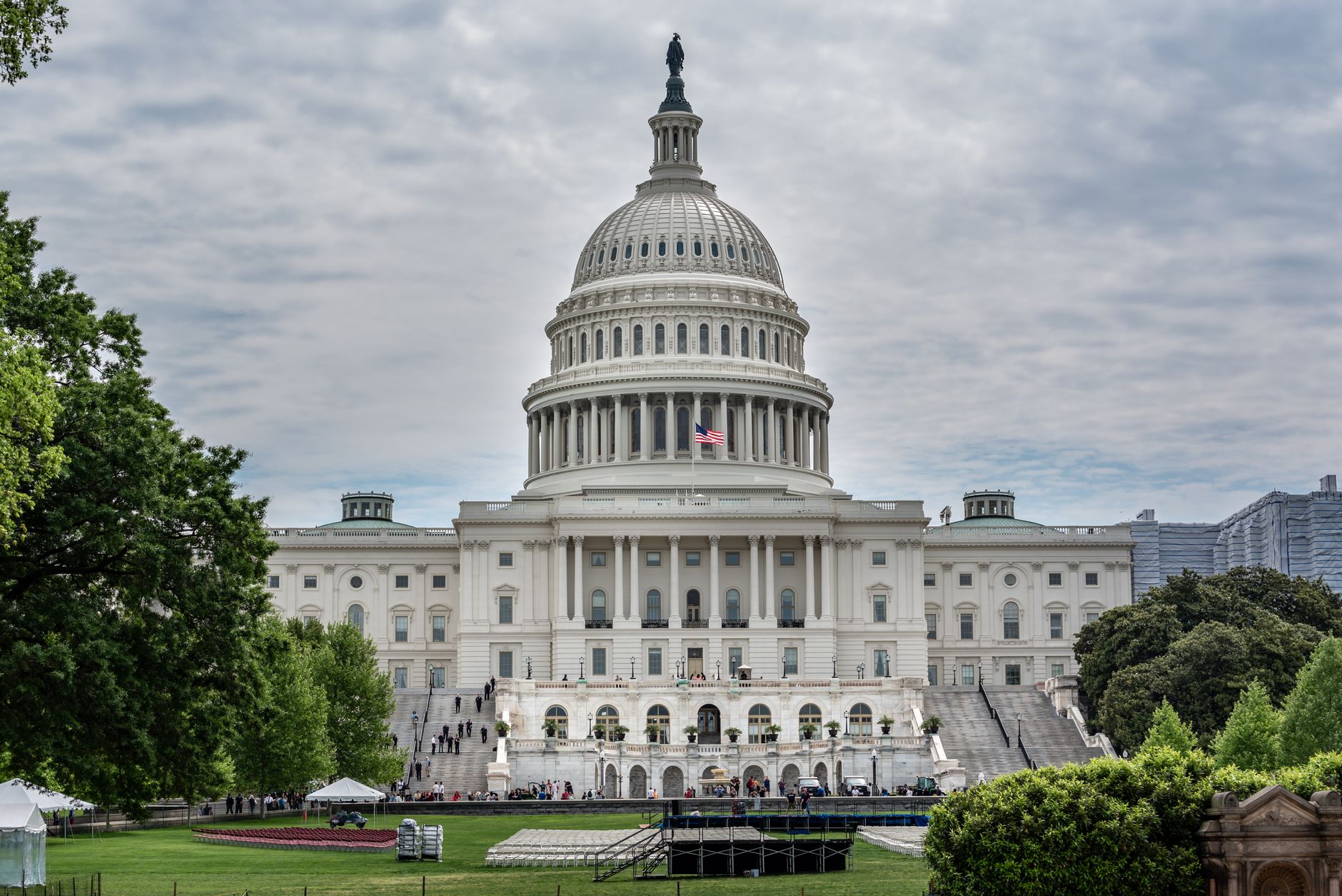
The session’s most disruptive headline came from Washington, where the administration announced a partial rollback of recently imposed tariffs on a range of imported goods, catching markets off guard. The reversal, which affected duties on select manufacturing inputs and consumer electronics components, sent import-sensitive sectors on a volatile intraday swing. Stocks tied to domestic steel and aluminium processing gave back earlier gains, while technology hardware names with supply chains anchored in Southeast Asia recovered sharply from prior session losses.
The policy pivot echoed a pattern that has defined much of the trade landscape this year. Earlier this summer, a similar episode unfolded around Canadian steel, as detailed in prior reporting on the House tariff pause, when industry pressure prompted a rapid revision of the administration’s initial position. Analysts at several major investment banks noted on Tuesday that the frequency of these reversals is itself becoming a market risk, as it reduces the reliability of policy signals that companies rely on for medium-term capital planning. One strategist quoted in the CNBC report estimated that tariff uncertainty is adding roughly 40 to 60 basis points of risk premium to equities in the most exposed industrial sub-sectors.
The geopolitical backdrop added further texture to the trade discussion. Separately, Fortune reported that negotiations around a potential deal involving Iran and access through the Strait of Hormuz could reach a conclusion imminently, though analysts cautioned that any agreement carries significant implementation risks. Energy markets responded with modest pressure on crude prices, with Brent settling near the lower end of its recent trading range as traders assessed whether a diplomatic breakthrough would materially alter supply flows.
Bond Yields Signal Caution Beneath the Equity Surface
Beneath the day’s equity moves, the bond market was sending a quieter but potentially more consequential message. The yield on the 10-year US Treasury note edged higher during the session, briefly touching levels that have historically triggered defensive repositioning among equity allocators. The move came without a clear single catalyst, which analysts said made it more concerning rather than less — suggesting the drift reflects a fundamental reassessment of the rate path rather than a reaction to a specific data release.
Federal Reserve commentary remains the dominant variable. Markets are now pricing a narrower window for rate cuts in the remainder of the year, with fed funds futures reflecting growing doubt about a September move. Consumer confidence data released earlier this month had already suggested households are becoming more cautious about the economic outlook, consistent with the pattern of eroding consumer confidence that has built steadily since the first quarter. That softness in sentiment, combined with sticky core inflation readings, leaves policymakers with limited room to manoeuvre and bond investors in an uncomfortable waiting position.
Taken together, Tuesday’s session illustrated the fragmented nature of the current investment environment. Robotics and AI-linked names can rally sharply even as macro signals cloud the broader outlook, trade policy can reverse with little warning, and bond markets can quietly tighten financial conditions without a single headline driving the move. For investors, the challenge is not identifying which of these forces will dominate — it is managing portfolios that must contend with all three simultaneously.