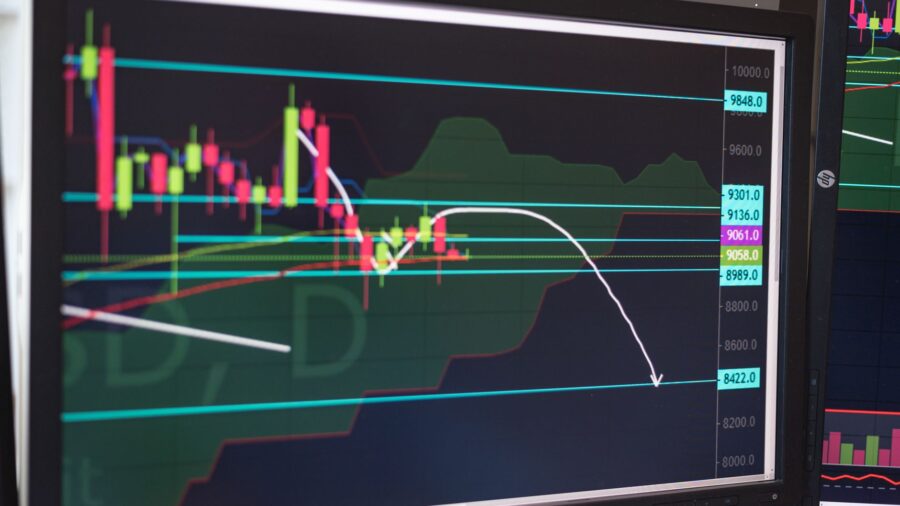
The Swiss franc and Japanese yen surged against the dollar and other major currencies on Monday as the emergence of Chinese artificial intelligence startup DeepSeek rattled global financial markets, prompting a broad flight to safety that pushed investors toward assets historically associated with stability in times of uncertainty. The moves underscored how quickly sentiment can shift when a single development challenges core assumptions about technology leadership and economic competitiveness. For context on recent franc dynamics, earlier Swiss franc weakness against the dollar had suggested a more risk-tolerant environment — a posture that unwound sharply on Monday.
The dollar fell approximately 0.6 percent against the Swiss franc, with the greenback dropping to around 0.899 francs during early European trading, its weakest level in several weeks. The yen similarly strengthened, with the dollar retreating to roughly 154.2 yen from levels above 156 yen seen in the prior session. Currency strategists noted that the scale of the moves was notable given that no major central bank policy announcements were scheduled, suggesting the reaction was driven almost entirely by the shock to market confidence triggered by the DeepSeek revelations, according to reporting by the Wall Street Journal.
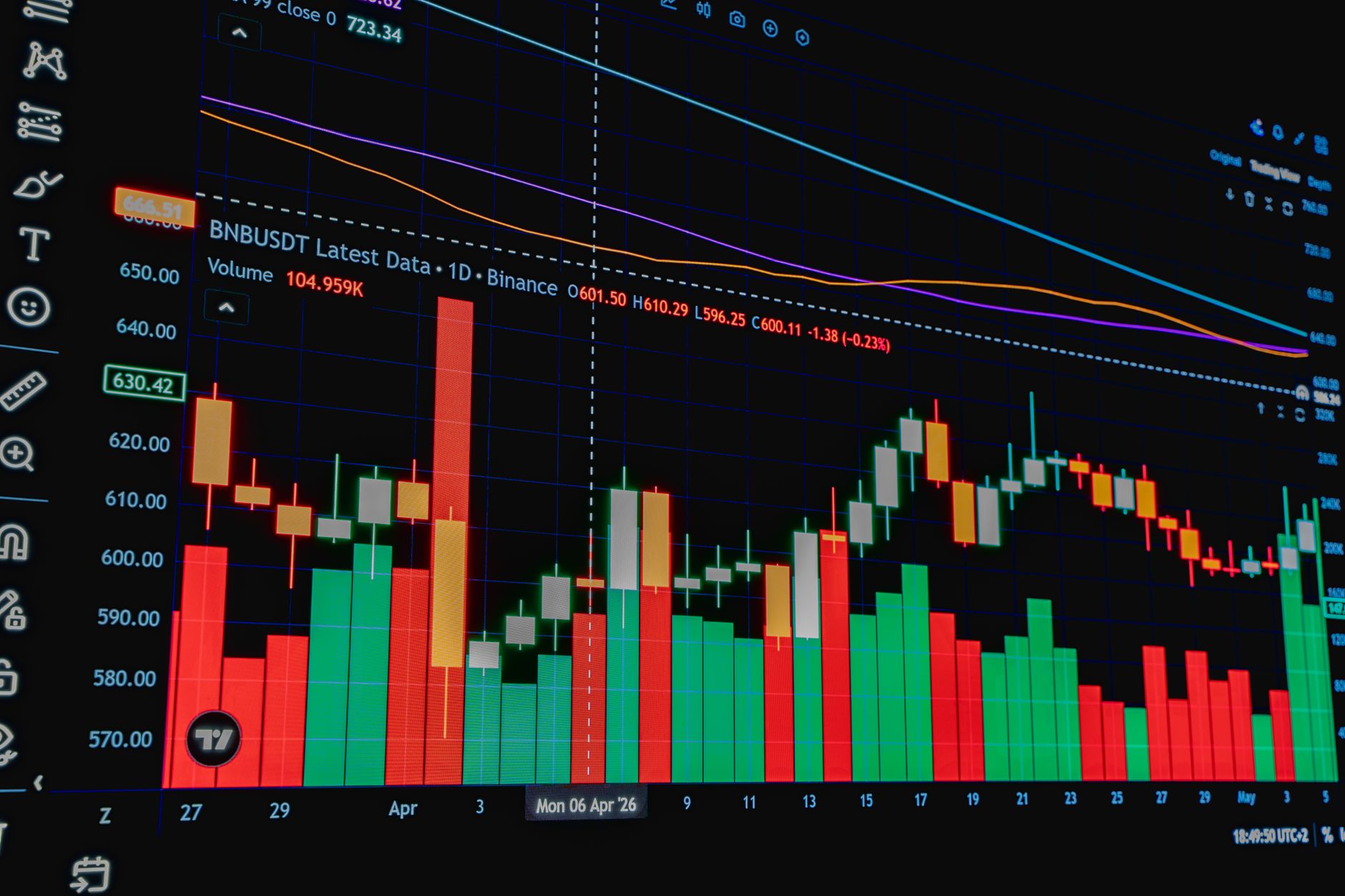
DeepSeek Disrupts the AI Investment Narrative
The catalyst for Monday’s risk-off wave was the rapid rise to prominence of DeepSeek, a Chinese AI model that appeared to match or rival the capabilities of leading American systems at a fraction of the reported development cost. The implications for U.S. technology valuations were severe. Nvidia’s share price fell by more than 15 percent in premarket trading, on track for one of the largest single-session market capitalisation losses in stock market history. Broader technology indices in the United States and Europe declined sharply, with the Philadelphia Semiconductor Index pointing to losses exceeding 8 percent at the open.
For currency markets, the selloff in equities was the primary transmission mechanism. Investors who had built leveraged positions in high-beta assets began unwinding exposure, reallocating into low-risk holdings including government bonds and safe-haven currencies. The franc, long regarded as a shelter during periods of geopolitical or financial stress due to Switzerland’s current account surplus and politically neutral status, absorbed a significant portion of that demand. The yen benefited from similar dynamics, with additional support coming from rising expectations that the Bank of Japan may tighten monetary policy further in the months ahead, narrowing the rate differential that had previously weighed on the currency.
Tariff Uncertainty Amplifies the Pressure on Risk Assets
The DeepSeek shock did not emerge in isolation. Currency analysts were already monitoring elevated nervousness in financial markets related to the prospect of sweeping new tariffs from the United States, with the incoming Trump administration signalling broad-based levies on imports from multiple trading partners including Canada, Mexico, and the European Union. That backdrop had already introduced a degree of caution into positioning, and the AI news compounded the unease by raising doubts about the return on the hundreds of billions of dollars committed to American AI infrastructure spending.
The combination of technology-sector disruption and trade-policy risk created a particularly challenging environment for currencies tied to export-oriented economies. The euro slipped modestly against the franc, while the British pound also lost ground as risk sentiment deteriorated across asset classes. Emerging market currencies were under broader pressure, with several Asian and Latin American currencies weakening against the dollar even as the greenback itself fell against traditional safe havens. Analysts cautioned that if tariff measures are enacted broadly in the coming weeks, further demand for the franc and yen could persist well beyond Monday’s initial reaction. The episode is also drawing fresh attention to the broader AI competitive landscape, which has rapidly become a national AI strategy priority for governments around the world.
Looking ahead, market participants will be watching closely for any policy response from the Swiss National Bank, which has historically intervened verbally or directly in foreign exchange markets when franc strength threatens Swiss export competitiveness. A sustained move below 0.89 francs per dollar could begin to attract the central bank’s attention. For now, however, the dominant force in the market remains investor caution, and that caution shows little sign of abating while the full implications of the DeepSeek development continue to be assessed across financial markets globally.