
Arabica coffee futures surged to an all-time record on Monday after a sudden escalation in trade tensions between the United States and Colombia threatened to disrupt one of the world’s most critical supply corridors for premium coffee. Prices on the ICE Futures U.S. exchange climbed sharply, briefly touching levels never previously recorded in the contract’s history, as traders scrambled to reprice supply risk across the global commodity trade landscape.
The spike was triggered after President Donald Trump threatened to impose emergency tariffs of 25 percent on all Colombian goods entering the United States, citing Bogotá’s refusal to accept U.S. military deportation flights carrying Colombian migrants. Colombian President Gustavo Petro responded defiantly, pledging retaliatory tariffs on American imports and warning of a broader diplomatic rupture. The standoff, which unfolded rapidly over a single weekend, caught commodity markets largely off guard, sending coffee to the front of a broader risk repricing in agricultural futures.
Supply Concentration Makes Colombia a Critical Pressure Point
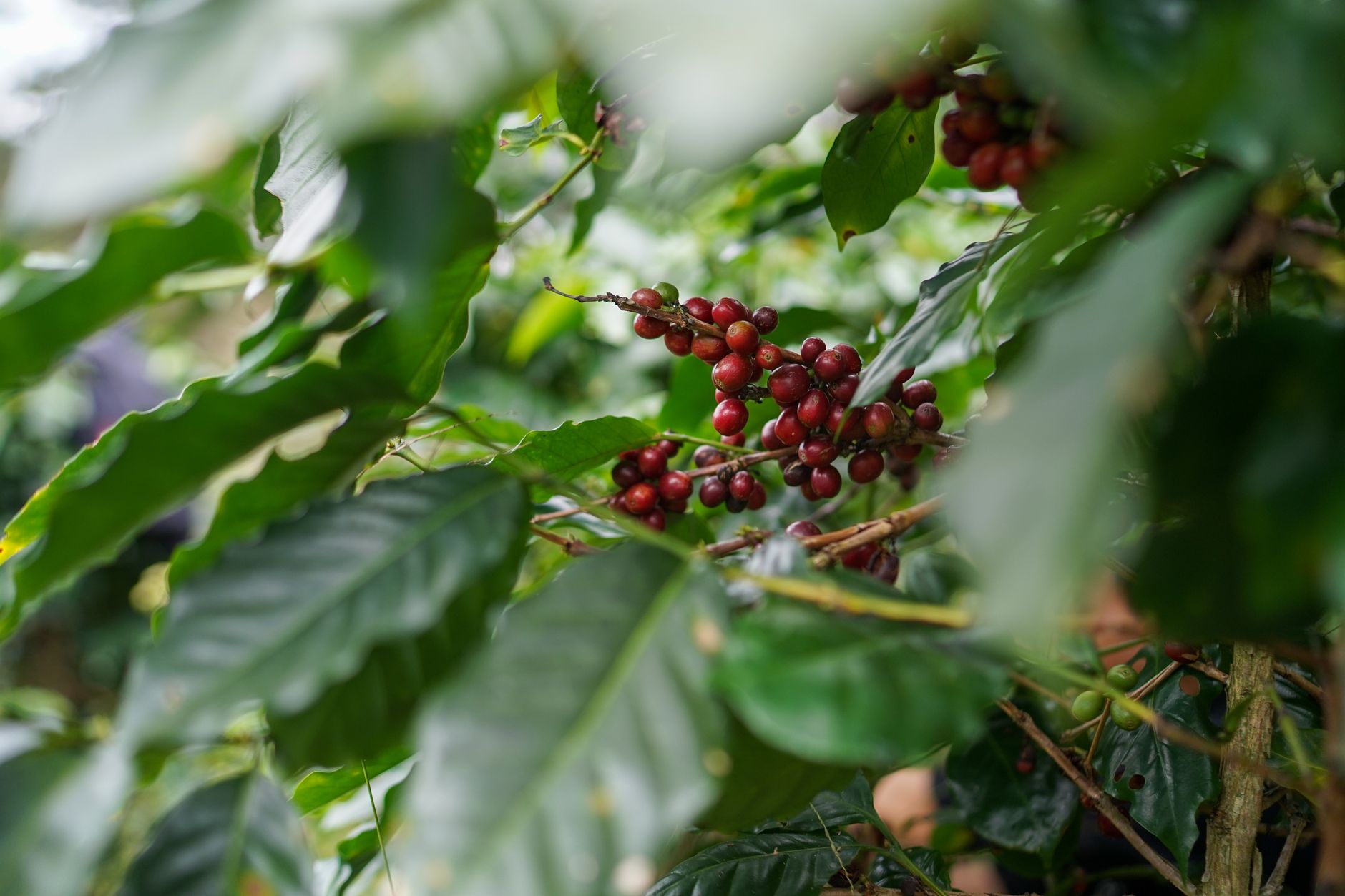
Colombia is the world’s third-largest coffee producer and the dominant global supplier of washed arabica beans, the variety prized by specialty roasters and major commercial chains alike. The country exports approximately 12 to 13 million 60-kilogram bags of coffee annually, with the United States representing one of its largest single-country destinations. Any sustained disruption to that bilateral trade channel would force American importers to seek alternative origins, a process that analysts note cannot be completed quickly given long lead times in agricultural procurement.
According to reporting by the Wall Street Journal in its article arabica coffee prices, futures for the March delivery contract rose more than 4 percent at their intraday peak before easing slightly into the settlement. The move extended an already notable rally in coffee prices that had been building over several months on the back of adverse weather in Brazil, the world’s largest arabica producer, where drought conditions damaged the flowering cycle for the upcoming harvest. The Colombian diplomatic crisis layered a fresh geopolitical premium onto a market that was already structurally tight.
Traders and Roasters Weigh Prolonged Price Risk
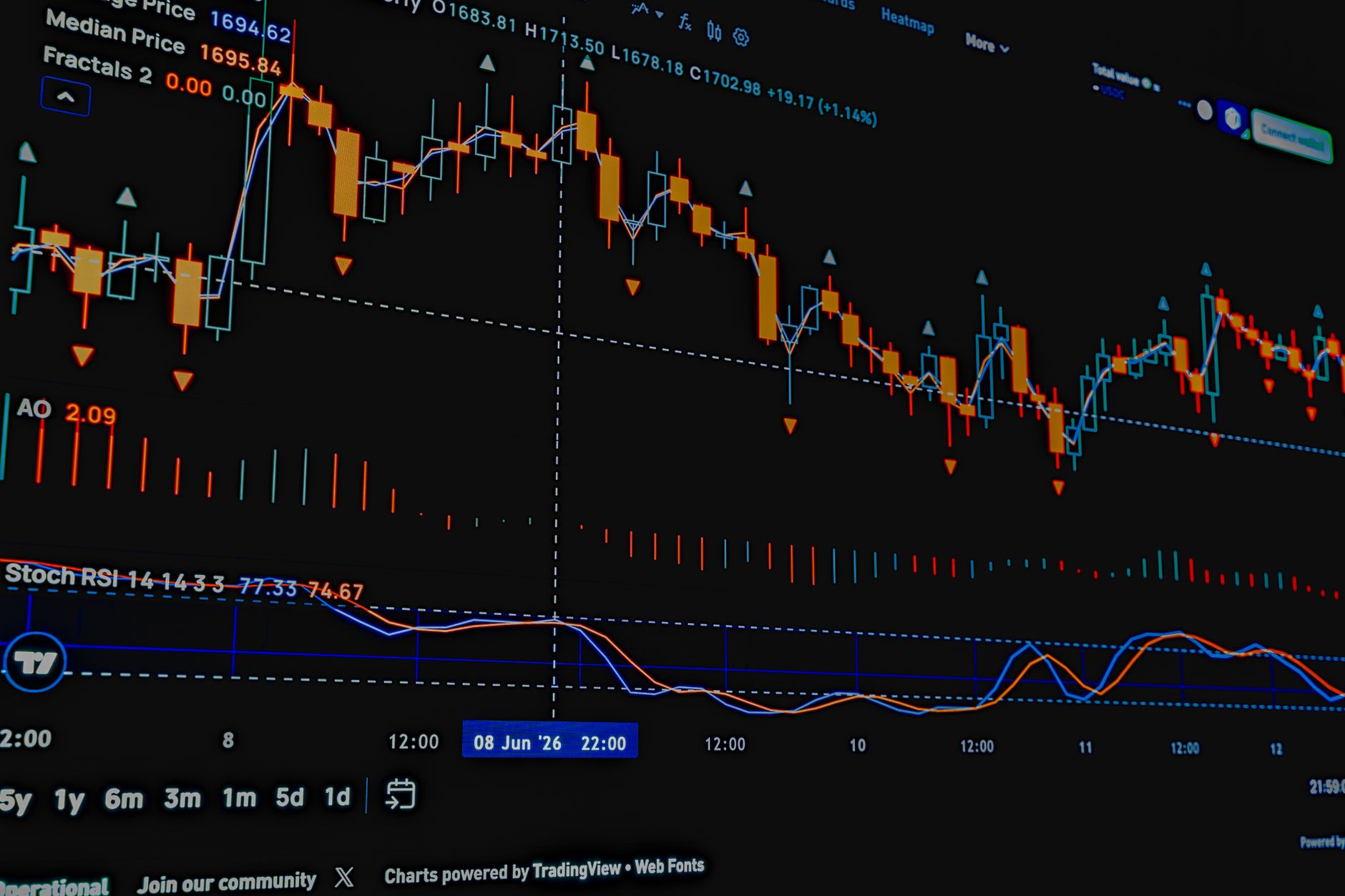
Market participants said the record print reflected not just immediate supply anxiety but a recalibration of tail risk in a commodity where inventories certified by exchange warehouses have been running near multi-year lows. Certified arabica stocks on the ICE exchange have declined steadily over the past twelve months, leaving the market with minimal buffer should a meaningful trade disruption materialise. Options activity surged alongside the futures move, with traders buying upside calls in volumes that suggested some participants were positioning for prices to remain elevated well into the second quarter.
For consumer-facing businesses, the implications are significant. Major coffee chains and packaged-goods companies typically hedge their green coffee exposure months or even years in advance, but sustained price pressure at these levels will eventually pass through to procurement costs and, ultimately, retail pricing. Analysts at several commodities desks noted that roasters who locked in forward cover at lower prices earlier in the year are partially insulated, but any company with near-term contract renewals faces a materially more expensive environment. The broader dynamic mirrors patterns seen across other commodity sectors where concentrated geographic supply meets abrupt policy disruption, a dynamic also evident in recent crude oil markets.
The White House subsequently indicated that Colombia had agreed to accept the deportation flights, suggesting the immediate tariff threat may be defused. However, traders remained cautious, noting that the episode exposed just how quickly political friction can translate into commodity volatility in markets already operating with thin supply margins. Whether prices can sustain or extend the record level will depend heavily on whether the diplomatic resolution holds and on the trajectory of the Brazilian harvest outlook in the weeks ahead.