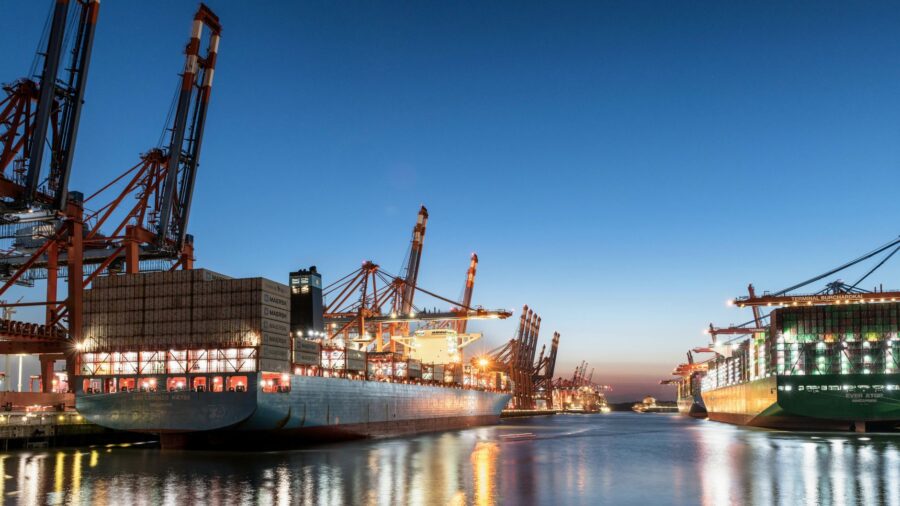
Vietnam swung to a trade deficit in July as rising fuel import costs weighed heavily on the country’s external accounts, underscoring the vulnerability of energy-dependent emerging economies to global commodity price shifts. The General Statistics Office reported a deficit of approximately 200 million US dollars for the month, a notable reversal from the surplus positions recorded in earlier months of 2025 and a signal that import pressures are building faster than export revenues can absorb them. For analysts tracking market value creation across Asia-Pacific trade corridors, the data represents a meaningful inflection point in Vietnam’s near-term current account outlook.
According to CNA trade data, total imports climbed sharply in July, with petroleum and fuel products accounting for a disproportionate share of the increase. Export growth, while still positive on a year-on-year basis, failed to keep pace with the accelerating import bill, producing the monthly shortfall. Vietnam’s export-led growth model, anchored by electronics, textiles, and footwear destined for Western markets, has historically generated consistent surpluses, making the July reading a statistical outlier that nonetheless carries forward-looking significance.
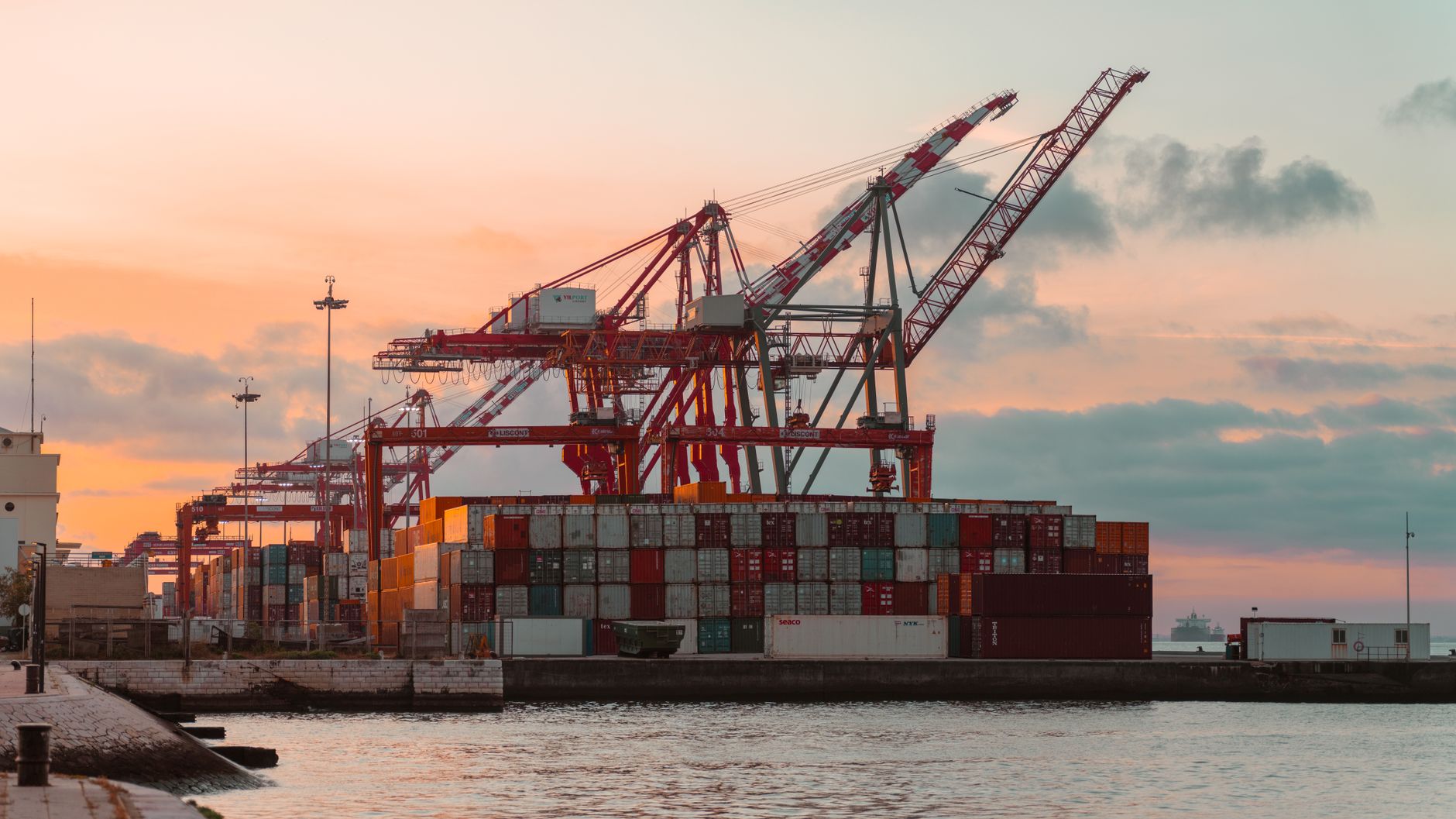
Fuel Costs at the Core of the Import Surge
The immediate driver of July’s deficit was unambiguous: fuel imports surged as domestic energy demand remained elevated and global crude benchmarks held at levels that translate into steep landed costs for net energy importers like Vietnam. The country relies on imported petroleum products to fuel its manufacturing sector, which has expanded aggressively over the past decade as multinationals shifted supply chains away from China. That structural dependence on energy imports means that any sustained period of elevated oil prices feeds directly into the import ledger with limited ability to offset through domestic production adjustments in the short term.
The timing is particularly sensitive. Vietnam’s manufacturing sector has been absorbing orders diverted from other regional hubs, keeping factory utilisation rates high and energy consumption elevated. While robust factory output is generally positive for export volumes, it simultaneously amplifies fuel demand, creating a dual pressure dynamic when commodity prices rise. Economists noted that July’s figures may not represent a trend reversal so much as a temporary spike tied to specific fuel procurement cycles, but cautioned that a sustained energy cost environment at current levels could keep the monthly trade balance in deficit territory through the third quarter.
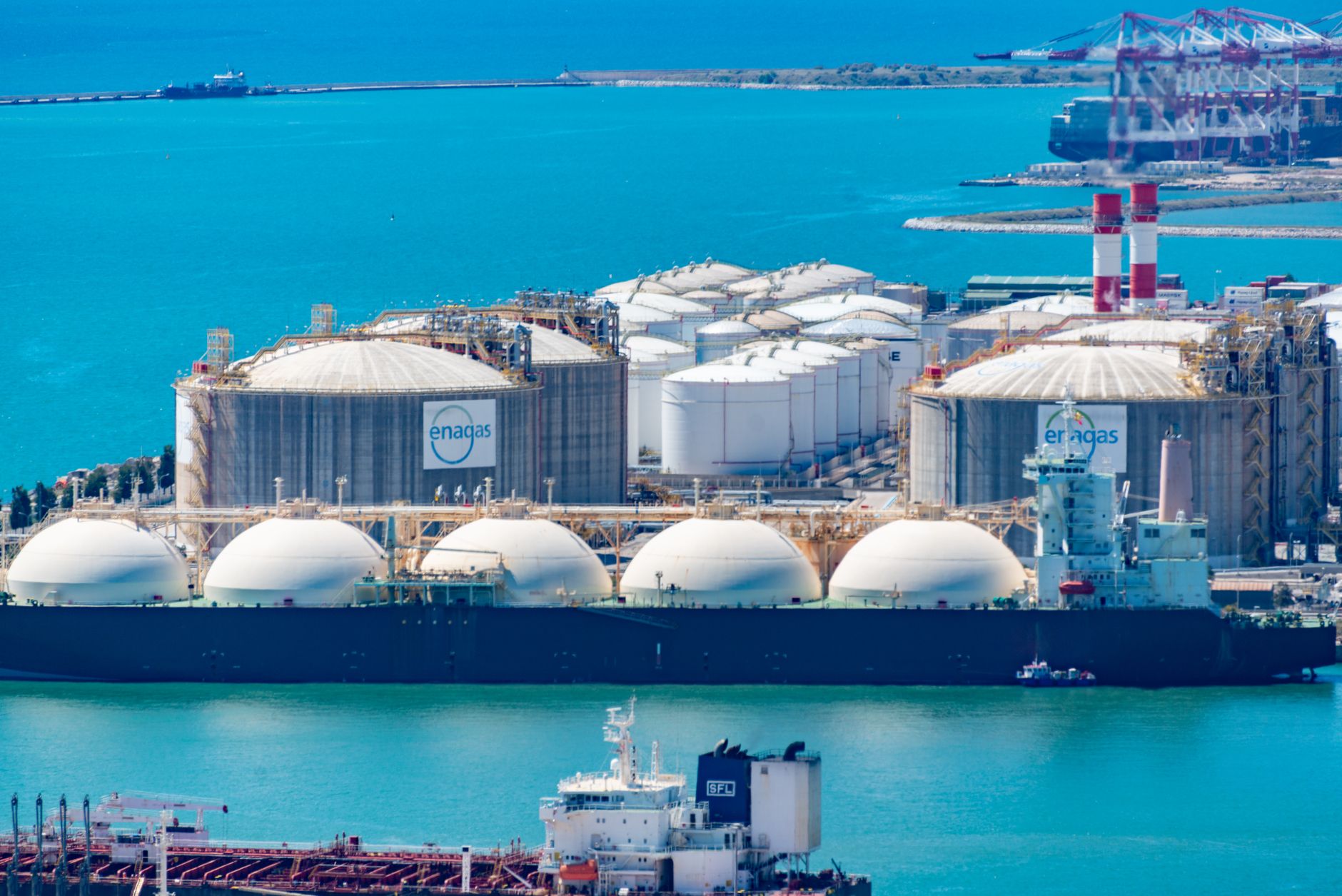
Export Resilience and the Policy Response
Despite the headline deficit, Vietnam’s export base demonstrated underlying resilience in July. Electronics and semiconductor components, increasingly Vietnam’s highest-value export category, continued to post solid shipment figures driven by demand from the United States, South Korea, and European Union markets. Textile and apparel exports also held firm, supported by buyers diversifying sourcing away from higher-cost manufacturing hubs. The export side of the ledger, in other words, is not the story — the deterioration in the trade balance is squarely an import-cost phenomenon rather than a symptom of weakening external demand for Vietnamese goods.
Policymakers in Hanoi will nonetheless be watching the numbers carefully. A sustained trade deficit places downward pressure on the Vietnamese dong and complicates the State Bank of Vietnam’s efforts to manage currency stability while keeping borrowing costs supportive of growth. Vietnam’s central bank has previously intervened in currency markets to smooth volatility, and a string of monthly deficits could require more active management of foreign exchange reserves. The broader context matters too: global energy market dynamics, including supply decisions by major producers and the trajectory of US dollar-denominated oil prices, will be the decisive variable in determining whether July’s deficit proves transitory or the opening chapter of a more prolonged external imbalance. Investors and trade partners will be monitoring August data closely for early confirmation of which scenario is unfolding.