
The world’s largest oil companies have turned a geopolitical crisis into a financial windfall. With crude prices elevated by sustained supply disruptions tied to the conflict involving Iran, ExxonMobil and Chevron reported blockbuster second-quarter earnings that underscored just how directly the energy sector benefits when barrels become scarce. The results have reignited a long-running debate about whether record corporate profits at the pump come at an unacceptable cost to consumers and the broader economy — a conversation examined in depth by Marketplace reporting published on August 3, 2026. The episode arrives as energy costs ripple through industries as varied as aviation and manufacturing, amplifying inflation pressures that policymakers had hoped were largely behind them. For context on how fuel import bills are distorting trade balances far beyond American borders, the dynamics at play this quarter have global reach.
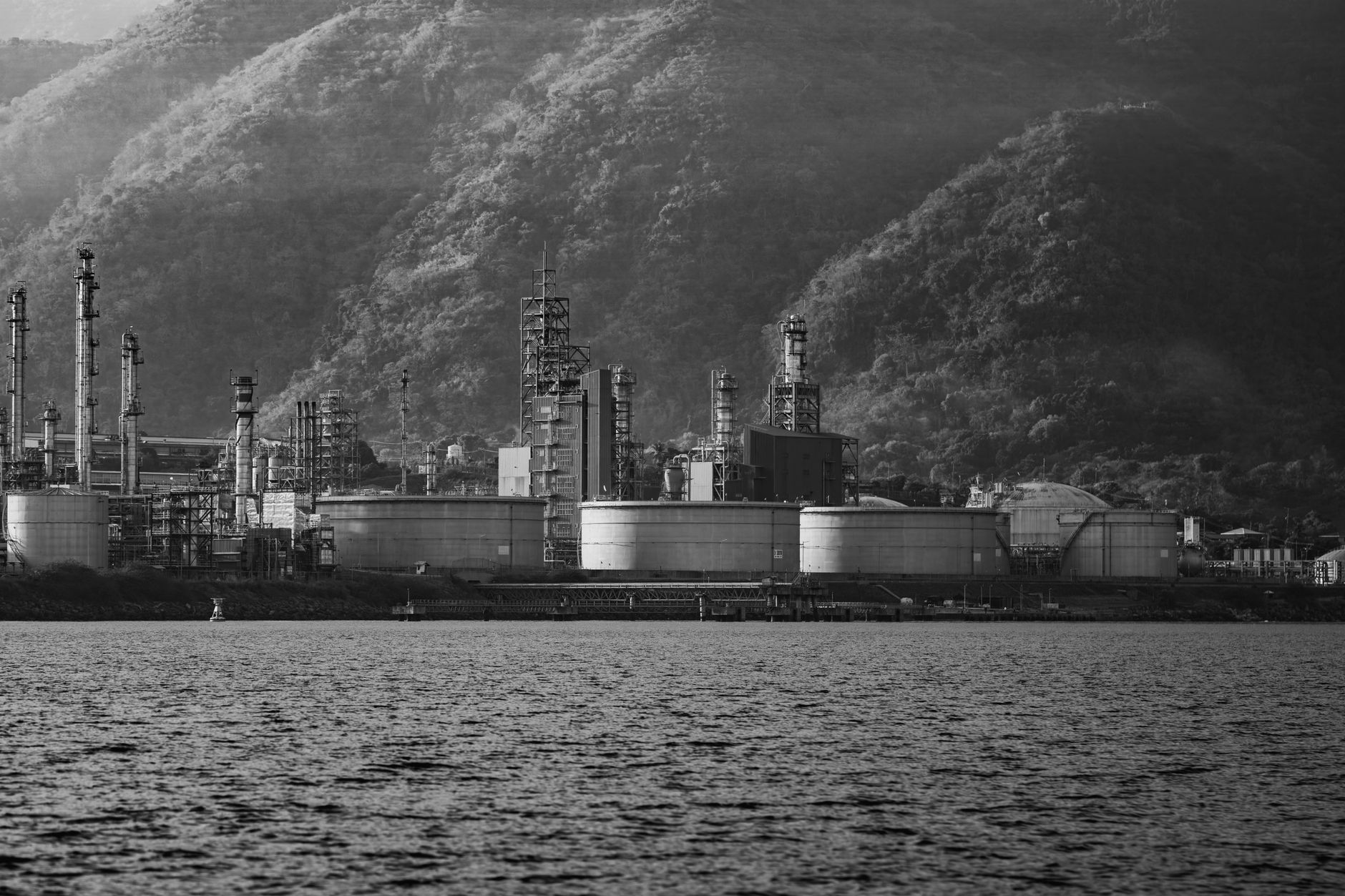
Brent crude has traded well above $90 per barrel through much of the summer, driven by the tightening of Middle Eastern supply lanes. Equity markets felt the reverberations in July, when a sharp oil price surge contributed to a broad selloff, with the S&P 500 and Dow Jones Industrial Average closing sharply lower on the same session that crude spiked, according to Investopedia market data from July 23. That dynamic — rising energy costs pressuring equities even as oil stocks surge — illustrates the bifurcated nature of this environment for investors.
Record Earnings at Chevron and Exxon
Chevron posted its largest quarterly profit in company history during the second quarter of 2026, while ExxonMobil reported a significant surge in net income, according to Fortune coverage of the earnings releases. The results were driven primarily by upstream production margins, where the gap between extraction costs and market prices widened dramatically as benchmark crude remained elevated. Chevron’s per-barrel realization figures were among the strongest the company has reported in over a decade, and executives pointed to disciplined capital spending in prior years as a key reason the firm was positioned to capture the upside.
ExxonMobil similarly benefited from its decision to expand Permian Basin output rather than curtail production during the leaner price environment of 2023 and 2024. With that capacity now fully online, the company converted high market prices directly into cash flow at a scale that few analysts had projected even three months ago. Both firms signaled they would return substantial capital to shareholders through buybacks and dividends, reinforcing the argument that the current price environment functions as a transfer of wealth from consumers and downstream industries to energy shareholders.
Downstream Pain and Political Pressure
The earnings euphoria has not been universally shared. Airlines, which consume jet fuel derived from crude, face a materially different reality. Delta Air Lines is among the carriers whose stock is under scrutiny heading into its own earnings report, with options markets pricing in significant share price movement in either direction, reflecting deep uncertainty about how fuel costs will affect margins, as detailed in an Investopedia analysis of the airline’s earnings outlook. Carriers have limited ability to hedge fully against a sustained crude price spike of this magnitude, and fare increases can only absorb so much before demand softens.

Political pressure is also mounting at the retail level. Treasury Secretary Bessent publicly warned gas station operators that any savings from wholesale price movements must be passed directly to consumers at the forecourt, signaling that the administration is watching retail margins closely, as TheStreet reported. The warning reflects broader frustration that pump prices have not declined in proportion to periodic dips in crude futures, a pattern that critics argue reflects opportunistic margin capture by distributors and retailers.
The Marketplace episode frames the tension precisely: oil company shareholders are reaping extraordinary rewards from a supply shock that is simultaneously squeezing household budgets and complicating the Federal Reserve’s task of keeping inflation anchored. With the conflict that triggered the supply disruption showing no signs of rapid resolution, analysts broadly expect crude to remain elevated through at least the third quarter, meaning the political and economic friction generated by this earnings season is unlikely to dissipate soon. For energy investors, that is welcome news; for nearly everyone else in the economy, the calculus is considerably more difficult.